Star Student Recognition Letters That Inspire Lifelong Love of Learning
Every Friday, teachers across the country reach into their desk drawers for the same stack of pre-printed cardstock. They fill in a name, sign the bottom, and hand out the "Star Student of the Week" certificate. While the intention is pure—to celebrate achievement—the impact is often fleeting. The student smiles, the parents post a photo on social media, and by Monday, the certificate is buried under a pile of mail or forgotten in a backpack.
What if recognition could do more? What if, instead of a generic award, we provided a mirror that reflected a student's specific growth, character, and potential back to them? As educators, we know that the right word at the right time can change a child's educational trajectory. Personalized recognition letters move beyond the "what" of achievement to the "how" and "why," tapping into the intrinsic motivation that fuels a lifelong love of learning.
Create Magic in Under a Minute
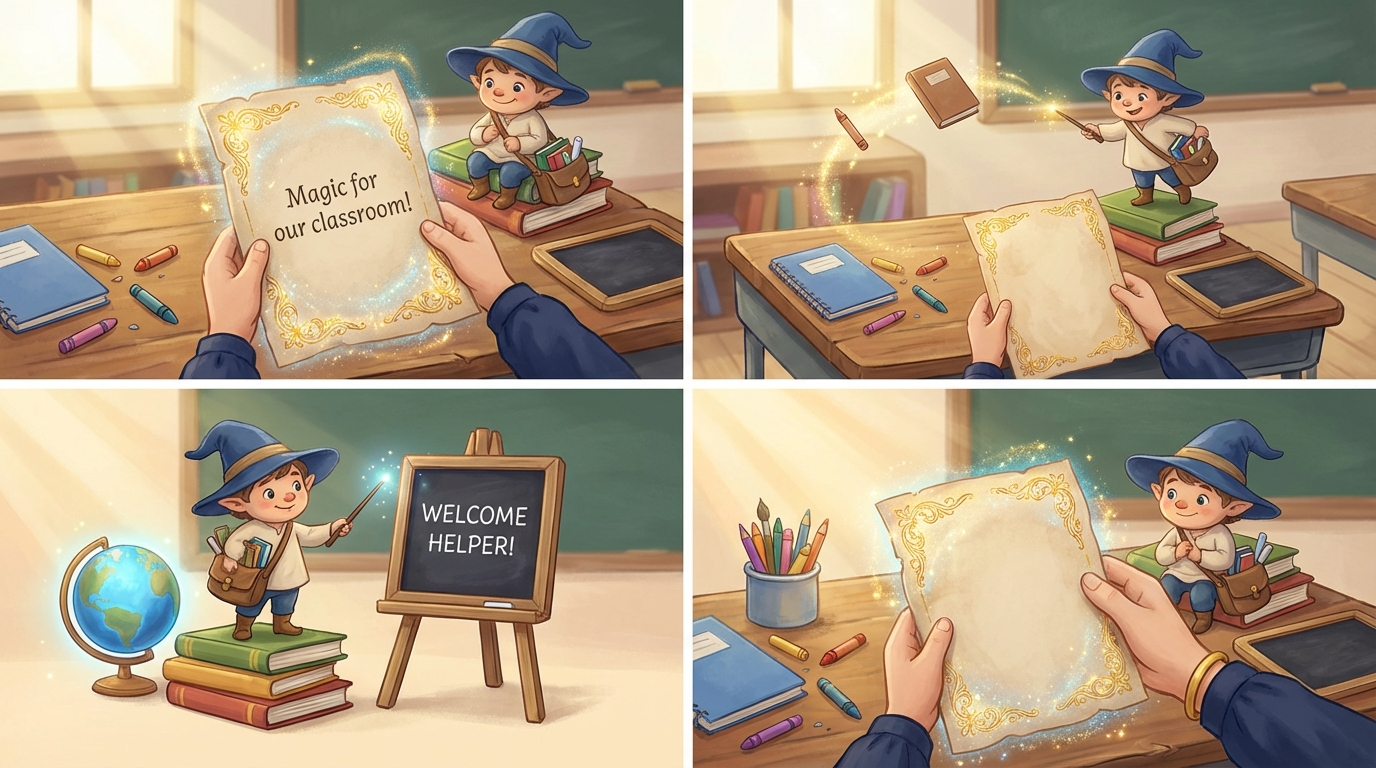
Don't have time for elaborate setups? The Magic Letter Box helps busy teachers create personalized, enchanting letters instantly. Get 10 free letters for your teacher trial, or enjoy unlimited magic for just $25/year with our Classroom Edition!
Why Traditional Star Student Awards Fall Short
The standard classroom certificate is a staple of the history of awards and recognition, but modern educational psychology suggests it may be time for an evolution. Research led by Carol Dweck on growth mindset highlights a critical distinction in how we praise children. When we hand out a "Smart Student" award, we are praising a fixed trait. This can inadvertently make students risk-averse; if they believe they are "the smart one," they may avoid difficult tasks for fear of losing that title.
Generic certificates and stickers often suffer from diminishing returns. By mid-year, the novelty wears off, and the award becomes a routine transaction rather than a meaningful celebration. Furthermore, impersonal recognition can create a competitive atmosphere. When only one student is the "star" based on a standardized metric, other students may feel their unique contributions are invisible. This gap between a teacher's intent—to motivate—and the student's internalization—comparing themselves to others—is where personalized letters bridge the divide.
Consider two students. Student A receives a certificate that says "Great Job in Math." Student B receives a short letter from the classroom mascot, Barnaby the Owl, praising the specific way they used a number line to solve a tricky subtraction problem on Tuesday. Student A feels a momentary boost; Student B feels seen. They understand that their specific strategy was noticed and valued, which reinforces that exact behavior for the future.
The Psychology Behind Recognition Letters That Actually Motivate
The power of a recognition letter lies in the Specificity Principle. Naming exact behaviors and moments creates neural reinforcement. When a teacher (or a magical character) describes a specific moment of kindness or a particular problem-solving strategy, it validates the student's process. This is a core tenet of growth mindset letters, which focus on the journey rather than just the destination.
Storytelling also plays a vital role. A letter isn't just a list of facts; it's a narrative of the student's week. For younger students (K-2), letters from a classroom mascot provide a layer of "magical realism" that makes praise easier to accept. A shy fourth grader who might blush and deflect a teacher's direct compliment often finds it easier to internalize praise coming from a "Wise Old Owl" or a "Classroom Explorer." This psychological distance allows the child to sit with the positive feedback without feeling the pressure of the spotlight.
Developmentally, the language must shift as students grow.
- K-2: Focus on wonder, sensory details, and basic social-emotional wins.
- 3-5: Focus on perseverance, specific academic strategies, and peer leadership.
- Middle School: Focus on authentic character growth, intellectual curiosity, and real-world application of skills.
Crafting Star Student Recognition Letters That Inspire
A truly transformative recognition letter contains four essential elements: specific observation, character connection, growth acknowledgment, and forward-looking encouragement. To make this sustainable, teachers can use personalized student letters from a class mascot to maintain a consistent, encouraging voice throughout the year.
When writing, aim to balance academic achievements with character strengths. A letter recognizing a quiet student's first time raising their hand to participate is just as valuable as one celebrating a high test score. In fact, it's often more impactful because it acknowledges a personal hurdle the student had to overcome.
Example: The Perseverance Letter
"Dear Leo, I was watching from the bookshelf during Math yesterday and I noticed something incredible. Even when those long division problems got tough, you didn't close your book. I saw you take a deep breath, look at your notes, and try again. That kind of 'stick-to-it-ness' is what makes a true mathematician! I can't wait to see what you tackle next week."
Implementing Recognition Letters Across Your Classroom
The biggest hurdle to personalized recognition is time. Teachers are already stretched thin, and the idea of writing 30 individual letters a week is daunting. The key is a strategic system. You don't have to recognize every student every week; instead, aim for a cycle where 4-5 students receive a letter each Friday. This ensures every child receives a deeply personal note at least once a quarter.
Using tools for bulk letter generation allows you to maintain authenticity while managing the workload. You can use a template that provides the "magical" framework, then spend just 60 seconds per student adding that one specific observation from your "magic moments" notebook. This turns a two-hour task into a 15-minute routine that yields massive dividends in classroom culture.
Strategic timing also matters. While weekly recognitions are great, surprise letters during a mid-unit slump can provide the necessary boost to keep students engaged. Resources like Edutopia often emphasize that consistent, unpredictable positive reinforcement is more effective at building habits than a rigid, expected schedule.
Measuring the Impact of Recognition Letters In Your Classroom
How do you know if these letters are working? Look for the "desk-keeper" phenomenon. When a student receives a generic certificate, it usually goes straight into a folder. When they receive a personalized letter, they often keep it on their desk, read it multiple times, or even pull it out when they are struggling with a difficult task. These letters become a form of "emotional scaffolding" that students can lean on when things get tough.
Parent feedback is another strong indicator. Many parents report that these letters spark dinner table conversations about growth mindset and specific school events that a simple "How was your day?" never could. This strengthens the home-school connection, showing parents that you see and value their child as an individual, not just a data point on a spreadsheet.
Beyond Academics: Recognition Letters for the Whole Child
True star student recognition looks at the "whole child." This includes social-emotional growth, creative problem solving, and cultural contributions. For students who struggle academically due to learning differences, a letter recognizing their empathy, conflict resolution skills, or bilingual strengths can be life-changing. It tells them that their value in the classroom isn't tied solely to their reading level.
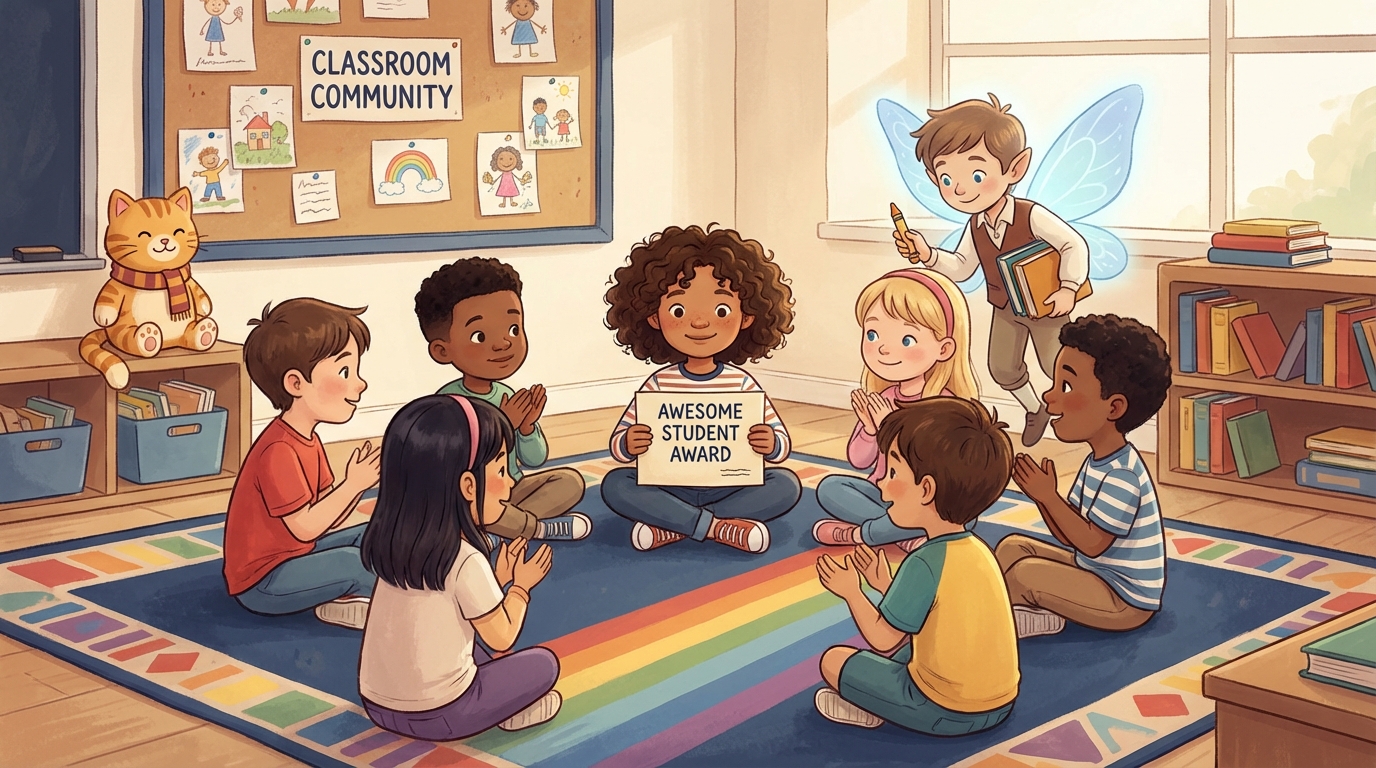
Inclusive recognition systems honor diverse contributions. Perhaps a student helped a peer during recess, or another student shared a unique cultural tradition during a social studies unit. Recognizing these moments reinforces classroom values and builds a community where every child feels they belong. For more ideas on seasonal or character-based engagement, you might explore classroom elf letter ideas or even end of year letters from teacher to students to wrap up the journey.
In the end, star student recognition letters are about more than just praise; they are about relationship building. They are a weekly reminder to our students—and to ourselves—that progress is happening, effort matters, and every single child in the room has a spark worth celebrating.
Frequently Asked Questions
How often should I send star student recognition letters?
Aim for each student to receive at least one personalized recognition letter per quarter, with additional letters for significant growth moments. Weekly recognition of 4-5 students ensures everyone is celebrated throughout the year without overwhelming your schedule. Quality and specificity matter more than frequency.
What if a student isn't showing obvious achievements to recognize?
Every student demonstrates growth—shift your lens to look for effort, small improvements, social contributions, or character strengths. A letter recognizing a struggling student's perseverance through a difficult task or their kindness to a peer can be transformative. Focus on trajectory and effort rather than absolute achievement.
Are recognition letters appropriate for middle school students?
Absolutely, though the approach should evolve. Middle schoolers respond to more sophisticated language and appreciate recognition that feels genuine rather than cutesy. Focus on specific academic strategies, leadership, or character growth. Many teachers find that mascot-based letters work well when the character has a mature, mentor-like voice.
How do I personalize letters efficiently for a large classroom?
Use a template structure with customizable sections for specific observations. Tools like The Magic Letter Box Classroom Edition allow for CSV import and bulk generation, which can reduce a 2-hour task to 20 minutes while maintaining individual authenticity.
Should recognition letters go home or stay at school?
Ideally both—give students the letter at school so they experience the immediate recognition, then encourage them to share it at home to strengthen the home-school connection. Many teachers take photos of students with their letters before they go home, creating both a keepsake and documentation of the classroom recognition culture.
Ready to transform your classroom culture? Explore The Magic Letter Box Classroom Edition today and start recognizing the whole child with ease.
Turn this idea into printable classroom letters
Written by The Magic Letter Box
Creating magical moments for families through personalized letters and thoughtful parenting resources.