End of Year Letters from Teacher to Students That Create Lasting Memories
Table of Contents
Create Magic in Under a Minute
Don't have time for elaborate setups? The Magic Letter Box helps busy teachers create personalized, enchanting letters instantly. Get 10 free letters for your teacher trial, or enjoy the Classroom Edition for just $25/year!
Why End of Year Letters from Teacher to Students Matter More Than You Think
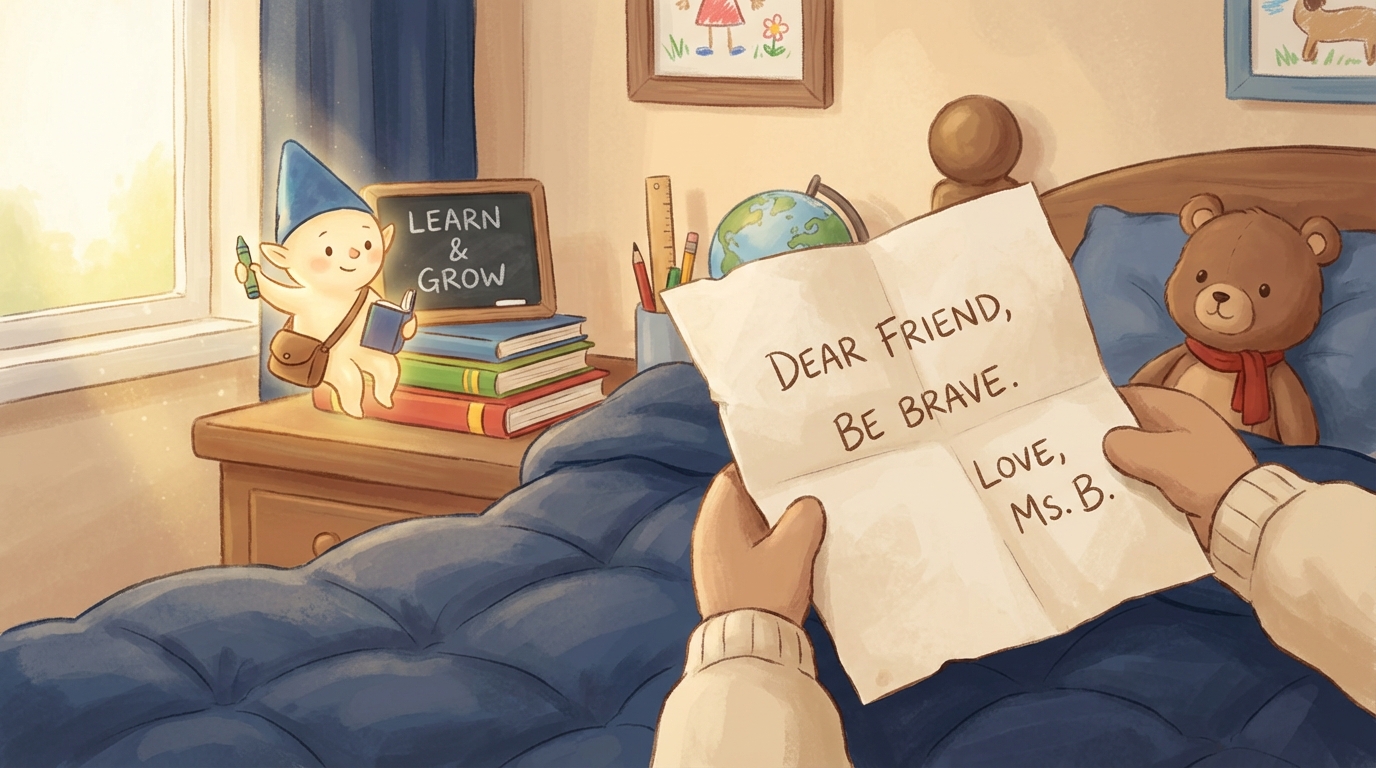
As the final bell approaches in June, the to-do list for an educator feels insurmountable. Between packing up classrooms, finalizing grades, and managing the high energy of students ready for summer, the tradition of writing personalized letters can feel like one task too many. However, research into teacher affirmation consistently shows that a teacher's belief in a student is one of the most powerful predictors of a child's self-concept development.
An end-of-year letter is more than just a polite goodbye; it is a permanent record of a child's worth. While report cards focus on data points and benchmarks, a letter focuses on the human being. Years from now, a student won't remember their score on a mid-term math assessment, but they will remember the teacher who noticed they were a kind friend or a resilient problem-solver. According to resources at Edutopia, meaningful closure rituals help students transition emotionally between grade levels, reducing anxiety and building confidence.
Consider the story of a middle schooler who, while cleaning out a desk during a particularly difficult semester, found a letter from her third-grade teacher. The letter didn't mention her reading level; it mentioned how she always made her classmates feel included. That reminder of her "true self" provided a psychological anchor during a time of social upheaval. This is the difference between a performative task and a meaningful ritual. Generic letters say, "Have a great summer!" A meaningful letter says, "I saw you grow, and I am proud of who you are becoming."
What Makes an End of Year Letter Truly Memorable (The 4 Essential Elements)
To move beyond the generic, teachers should aim for a framework that balances heart with observation. A truly impactful letter includes these four pillars:
1. Specific Memory Moments
This is where you prove you truly saw the child. Instead of saying "You're a great student," try: "I'll never forget the day you spent your entire recess helping Maya look for her lost earring. Your kindness that afternoon changed the energy of our whole class." These "micro-moments" are the gold of personalized writing.
2. The Growth Narrative
Highlight the journey from September to June. For a student who struggled with confidence, mention the first time they raised their hand without hesitation. Framing their year as a narrative of progress helps them internalize a growth mindset.
3. Character Strengths Beyond Grades
Focus on attributes like persistence, humor, leadership, or empathy. These are the qualities that will serve them long after they leave your classroom. If you have a student who loves to lead, mention how you appreciated their ability to organize the group during science labs.
4. Forward-Looking Encouragement
End with a vision of their future. "I know that as you head into fourth grade, your curiosity is going to lead you to amazing discoveries." This builds a bridge of confidence into the next academic year.
The Busy Teacher's System for Writing 25+ Personalized Letters Without Burnout
The secret to writing 30 heartfelt letters isn't staying at school until 9:00 PM in June; it's the Observation Collection Method. Starting in April, keep a simple Google Doc or a physical folder labeled "Letter Moments." Whenever a student does something noteworthy, drop a 10-second note or voice memo into the folder. By the time you sit down to write, you aren't staring at a blank page—you have a curated list of data points for every child.
To maintain efficiency, use a Personalization Matrix. Create a spreadsheet with student names in the first column and three headers: Unique Memory, Key Growth Area, and Character Strength. Filling this out over a week takes about 30 minutes total, but it provides the "heart" for every letter you generate.
This is also where modern technology can be a lifesaver. Using bulk letter generation tools allows you to input these specific details into a structured template. AI can handle the formal structure and transitions, while your specific data points ensure the letter remains authentic. This prevents the "template fatigue" where the 20th letter sounds significantly less enthusiastic than the first.
Adding Magic: When Character Letters Enhance (Not Replace) Teacher Messages
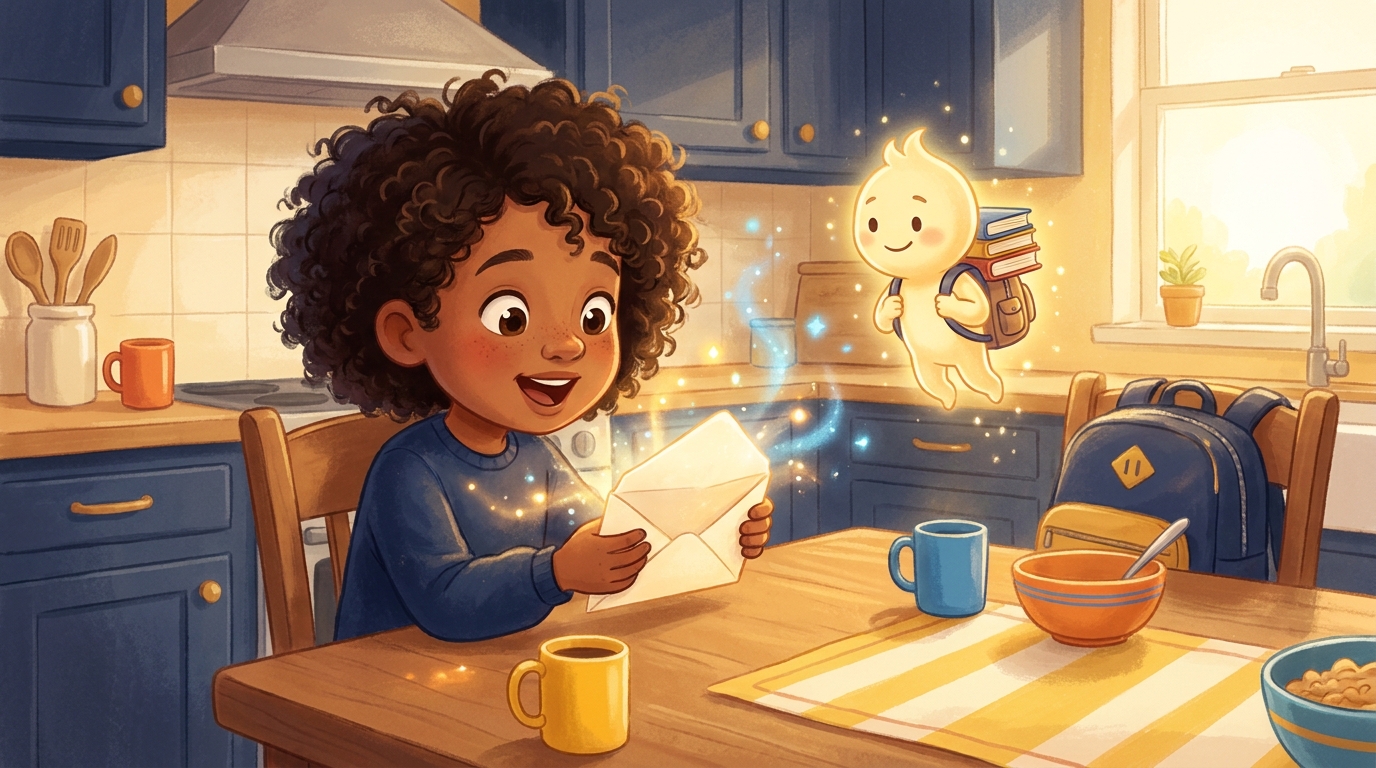
For younger students (ages 5-9), the impact of a letter can be doubled by incorporating a "magical" element. While your teacher letter provides the emotional grounding, a companion letter from a classroom mascot or a magical figure can deliver encouragement in a way that feels like a reward. Many teachers find success using personalized letters from a class mascot to celebrate the end of a long reading journey or a successful year of social growth.
Character letters are particularly effective for delivering messages that kids might resist from adults. For example, a student who struggled with perfectionism might find comfort in a note from a "Confidence Fairy" or a "Mistake Maker Monster" who praises them for the brave mistakes they made during the year. This layer of whimsy makes the recognition feel like a celebration rather than an evaluation.
It is important to keep these inclusive. Opt for secular characters or classroom-specific personas (like the "End-of-Year Owl") to ensure every student feels represented. If you've used a classroom elf or a leprechaun during the year, having that character "check back in" to say goodbye creates a beautiful sense of continuity.
Real Examples: End of Year Letters That Made an Impact
Seeing the framework in action can help spark your own creativity. Here are three examples across different age groups:
Kindergarten: Focusing on Social-Emotional Flourishing
"Dear Leo, I remember the first day of school when you were a little nervous to leave your dad's side. Now, I see you leading the line to the playground with a huge smile! I am so proud of how you learned to tie your shoes and how you always share the blue blocks with Sarah. You are a kind friend, and 1st grade is lucky to have you!"
Third Grade: Balancing Academics and Character
"Dear Sophie, watching you tackle long division this year was a highlight for me. Even when it was hard, you never gave up—that is called 'grit,' and you have so much of it! I loved our chat about your favorite book series during lunch. Keep reading, keep asking big questions, and never lose your wonderful sense of humor."
Fifth Grade: Transitioning to Middle School
"Dear Marcus, as you head to middle school, I want you to remember the leadership you showed during the Science Fair. You have a natural ability to bring people together. While the hallways might be bigger next year, your heart is even bigger. Thank you for being such an important part of our classroom family."
Teachers often receive thank-you notes from parents months or even years later, describing how these letters are kept in memory boxes or framed on bedroom walls. For more ideas on using letters to motivate, check out our guide on reading incentive letters.
Making It Happen: Your End of Year Letter Action Plan
To ensure this tradition doesn't add to your burnout, follow this 6-week timeline:
- 6 Weeks Out: Start your "Letter Moments" folder. Aim for 3-4 notes per week.
- 4 Weeks Out: Fill in your Personalization Matrix. Identify which students might benefit from a "magical" companion letter.
- 3 Weeks Out: Use The Magic Letter Box Classroom Edition to draft your letters using your matrix notes.
- 2 Weeks Out: Print letters on high-quality paper. Consider using a wax seal or a special "Top Secret" envelope to elevate the presentation.
- Final Week: Deliver the letters 3-5 days before the last day of school.
Presentation matters. Handing a student a physical, sealed envelope creates a sense of ceremony. Some teachers choose to have a "Letter Cafe" morning where students can sit quietly, enjoy a snack, and read their letters. You can also incorporate a peer-appreciation component where students write short "shout-out" notes to each other to accompany your teacher letter.
Frequently Asked Questions
Aim for 150-250 words or about half a page for elementary students. The letter should be substantial enough to include specific memories and meaningful encouragement, but concise enough that students will actually read and re-read it. Quality of personalization matters more than length.
Give letters 3-5 days before the final day of school rather than on the chaotic last day. This timing allows students to read them meaningfully, share with parents that evening, and still have time to thank you in person. Avoid handing them out as students are literally walking out the door for summer.
Absolutely yes—these students often need affirmation most and may have few adults writing encouraging words about them. Focus on observable strengths, effort moments, or positive peer interactions rather than forced academic praise. Even a brief, honest letter acknowledging their presence in your classroom community matters.
Yes, when used strategically. AI tools work best for structure and initial drafting, but you must add specific student details, classroom memories, and genuine observations. Think of AI as handling the framework while you provide the heart—the unique moments only you witnessed throughout the year. Resources like Reading Rockets offer great advice on maintaining a personal touch in all classroom communications.
Kindergarten letters should emphasize social-emotional growth, friendship moments, and how they've grown as learners with simple vocabulary they can read themselves. Upper elementary letters can include more academic reflection, character development, and preparation for future challenges while maintaining an encouraging rather than preachy tone.
The end of the school year is a time of transition and big emotions. By taking the time to write a heartfelt letter, you aren't just saying goodbye—you're giving your students a gift of self-confidence that they will carry long after the summer sun sets. Ready to start your own magical tradition? Explore how The Magic Letter Box Classroom Edition can help you create these keepsakes in a fraction of the time.
Turn this idea into printable classroom letters
Written by The Magic Letter Box
Creating magical moments for families through personalized letters and thoughtful parenting resources.