Creative Classroom Elf Letter Ideas That Engage Every Student
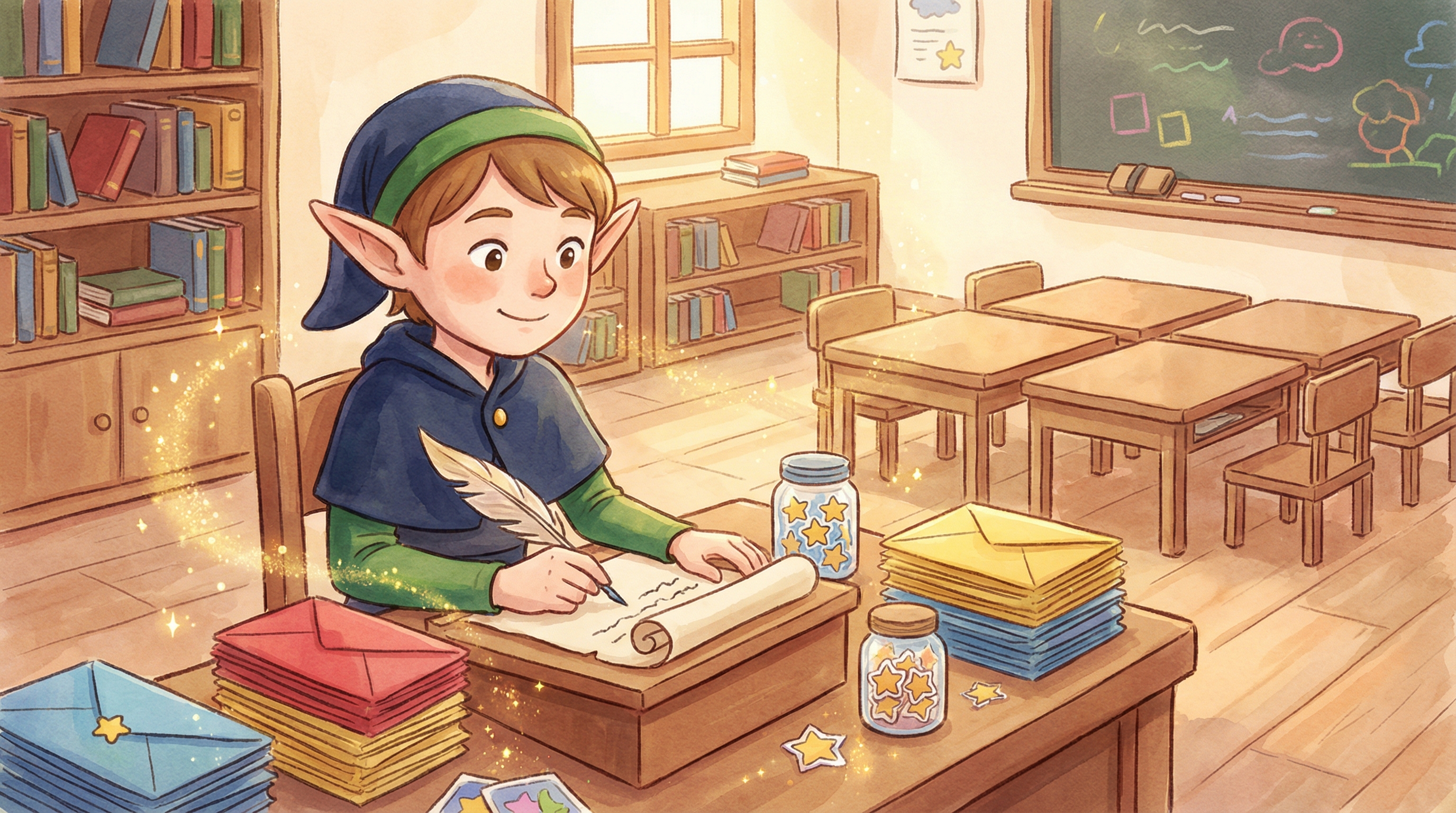
Every elementary teacher knows the electric hum of excitement that fills a classroom when a "magical observer" enters the scene. Whether it’s a tiny scout from the North Pole or a year-round classroom friend, the presence of an elf transforms the learning environment into a space where wonder meets accountability. But the true magic isn't in the felt doll on the shelf; it's in the communication. Classroom elf letters are a strategic pedagogical tool that can reinforce positive behavior, ignite academic curiosity, and build a sense of belonging that lasts far beyond the holiday season.
Create Classroom Magic in Minutes
Teachers love The Magic Letter Box Classroom Edition! Upload your roster, choose a template, and generate personalized letters for your entire class at once. 10 free trial letters, then just $25/year for unlimited letters for up to 35 students!
Why Classroom Elf Letters Work: The Psychology Behind the Magic
The impact of a letter from a classroom elf isn't just anecdotal—it's rooted in developmental psychology. For students aged 5 to 10, the "magical thinking" phase is a prime window for reinforcing intrinsic motivation through external validation. When an elf "notices" a student's hard work, it provides tangible evidence of recognition that a child can hold, read, and revisit.
Research on child development often highlights how external recognition helps transition students toward internal values. According to resources on Edutopia, positive reinforcement is most effective when it is specific and immediate. An elf letter serves as a high-interest medium for this reinforcement. By using an elf persona, teachers can address classroom behaviors indirectly. This reduces defensiveness in students who might otherwise struggle with direct correction, as the "feedback" comes from a whimsical friend rather than an authority figure.
Behavior Reinforcement: Classroom Elf Letter Ideas That Actually Work
Generic praise like "good job" rarely changes behavior. To make elf letters a true classroom management tool, specificity is key. If the elf notices Johnny helping a peer pick up dropped crayons without being asked, the letter should describe that exact moment. This creates a ripple effect—other students realize that their positive actions are being seen, even when the teacher is busy at their desk.
Strategic Behavior Templates
- The Kindness Spotlight: A letter praising a specific act of kindness with details the elf "observed" from the bookshelf.
- The Collaborative Win: A whole-class letter celebrating a day where everyone followed hallway expectations, including individual shoutouts for students who led by example.
- The Growth Mindset Note: An encouraging letter for a student who has been struggling with frustration but showed improved emotional regulation.
- The Expectations Introduction: A letter where the elf compares the classroom's "Essential Agreements" to the rules at the "North Pole School," making rules feel like part of a magical community.
Academic Motivation: Using Elf Letters to Boost Learning Engagement
Elf letters can be the ultimate "hook" for a difficult lesson. Imagine a letter arriving that asks the students to help the elf solve a "North Pole Inventory" crisis using their new multiplication skills. Suddenly, math isn't just a worksheet; it's a mission. Connecting academic concepts to the elf's magical world provides immediate relevance and engagement.
For literacy goals, letters are particularly powerful. You might use reading incentive letters to celebrate milestones or mention specific book titles the elf "saw" the student reading during independent time. This type of recognition from a magical source can turn a reluctant reader into an enthusiastic one. You can even use the elf to model a growth mindset by having them write about their own "toy-making mistakes" and how they learned from them, reinforcing that mistakes are just part of the learning journey.
Community Building: Elf Letters That Strengthen Classroom Culture
A classroom is a community, and the elf should be its biggest cheerleader. Beyond behavior and grades, use letters to foster inclusion and belonging. When a new student joins the class mid-year, a welcome letter from the elf mentioning something special about the new arrival can instantly lower anxiety and make the student feel like part of the "inner circle."
Team-building challenges are another excellent use for elf communication. The elf might leave a "Collaborative Challenge" letter, stating they’ve hidden a puzzle around the room that can only be solved if the whole class works together. These moments build collective identity. If your class uses a mascot, you might find inspiration in our guide on personalized student letters from a class mascot to see how to blend these two magical traditions.
Seasonal & Milestone Celebrations: Beyond December Elf Letters
While many associate elves with December, a year-round presence creates a more consistent positive reinforcement loop. A "Back-to-School Elf" who arrives in September sets a tone of wonder for the entire academic year. This consistency prevents the elf from being seen merely as a "behavior police officer" during the holidays and instead positions them as a supportive classroom friend.
Consider these milestone ideas:
- September: Introduction letter and setting the "Wonder Goals" for the year.
- Birthdays: Individual letters acknowledging a student's unique qualities and growth.
- Spring: A letter celebrating how much the class has grown since the first day of school.
- End of Year: A farewell letter reflecting on favorite class memories and wishing everyone a magical summer.
Time-Saving Strategies: Generating Personalized Letters for 25+ Students
The biggest hurdle for teachers is the time required to personalize notes for a large class. Writing 30 unique letters by hand is simply not sustainable. To maintain the magic without the burnout, teachers need a streamlined workflow. This is where modern tools and strategic planning come into play.
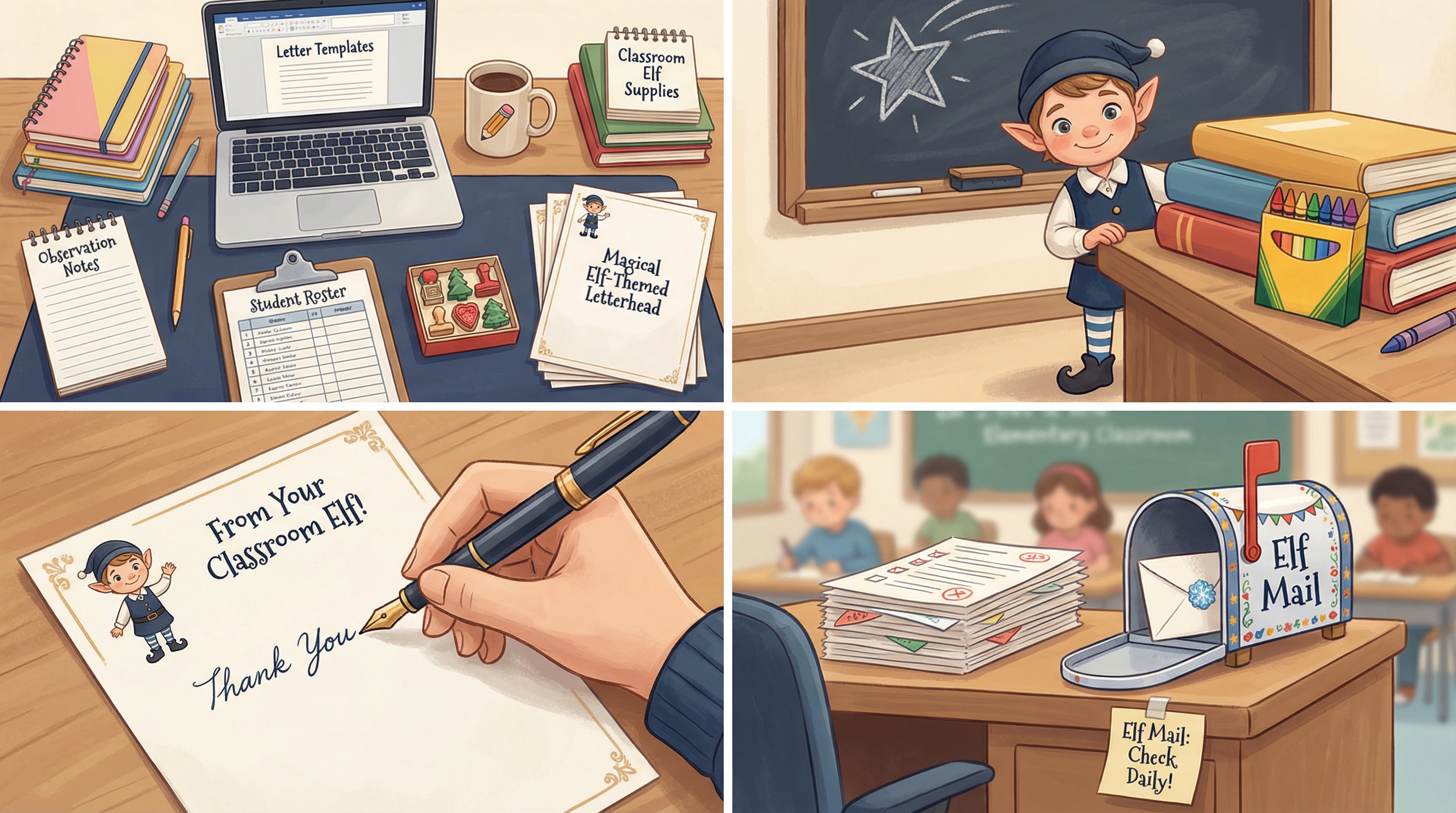
The most efficient method is a "Hybrid Approach." Send whole-class letters 2-3 times a month to celebrate group achievements, and then rotate individual letters so that 5 students receive a personalized note each Friday. By using a tool like The Magic Letter Box Classroom Edition, you can import your CSV roster and generate these letters in bulk. This allows you to include specific details for every student in a fraction of the time it would take to write them manually.
Workflow for Maximum Impact:
- Collect: Use your weekly observation notes to identify 5-10 specific "magic moments."
- Input: Use a template-based generator to plug in those specific details.
- Print: Batch print your personalized letters on festive stationery.
- Deliver: Place them in a "Magic Letter Box" or on student desks for a morning surprise.
Frequently Asked Questions
For maximum impact without losing novelty, send whole-class elf letters 2-3 times per month, with occasional individual letters for specific achievements or encouragement. Consistency matters more than frequency—students anticipate and value predictable magical moments more than random surprises.
Kindergarten through 5th grade students engage enthusiastically with elf letters, though the approach varies by age. K-2 students love magical whimsy and simple praise, while 3rd-5th graders respond to letters acknowledging their maturity, involving them in "elf missions," or positioning them as helpers in the magical world. For older students, check out resources on Reading Rockets for ways to tie these narratives into more complex literacy tasks.
Yes, when framed positively. Instead of criticizing, effective elf letters notice effort toward improvement ("I saw you working hard to use kind words today") or gently redirect ("The elves at the North Pole practice listening skills too—it's tricky but important"). Indirect guidance from a magical friend often resonates more than direct correction.
Use a hybrid approach: send personalized whole-class letters mentioning group achievements 2-3 times monthly, then add individual letters for 4-5 specific students each week on rotation. Tools with CSV import and template customization allow teachers to generate 30+ personalized letters in under 15 minutes while maintaining authentic, specific observations.
No—year-round elf presence creates a stronger classroom culture impact. Introduce your elf in September, send letters celebrating academic milestones throughout the year, and position the holiday season as "peak elf activity" rather than the only appearance. Students develop a deeper connection to a consistent magical presence than one-month visitors.
Incorporating an elf into your classroom is more than just a holiday tradition; it is a powerful way to build a positive, engaging, and supportive learning environment. By focusing on specific observations and academic integration, you can turn these simple letters into memories that your students will cherish long after they leave your classroom. Ready to start your own magical tradition? Explore how The Magic Letter Box Classroom Edition can help you create personalized magic for every student in your class today.
Make this elf idea printable
Read original arrival, daily-update, and goodbye examples, then try the actual PDF before creating your own letter.
Turn this idea into printable classroom letters
Written by The Magic Letter Box
Creating magical moments for families through personalized letters and thoughtful parenting resources.