How to Create Personalized Student Letters from Your Class Mascot
In the bustling world of modern education, teachers are constantly searching for that 'secret sauce'—the one strategy that bridges the gap between curriculum and connection. We know that when students feel seen, known, and valued, their academic performance and behavior follow suit. But how do you scale that personal connection across a classroom of 25 or 30 unique individuals without sacrificing your entire weekend?
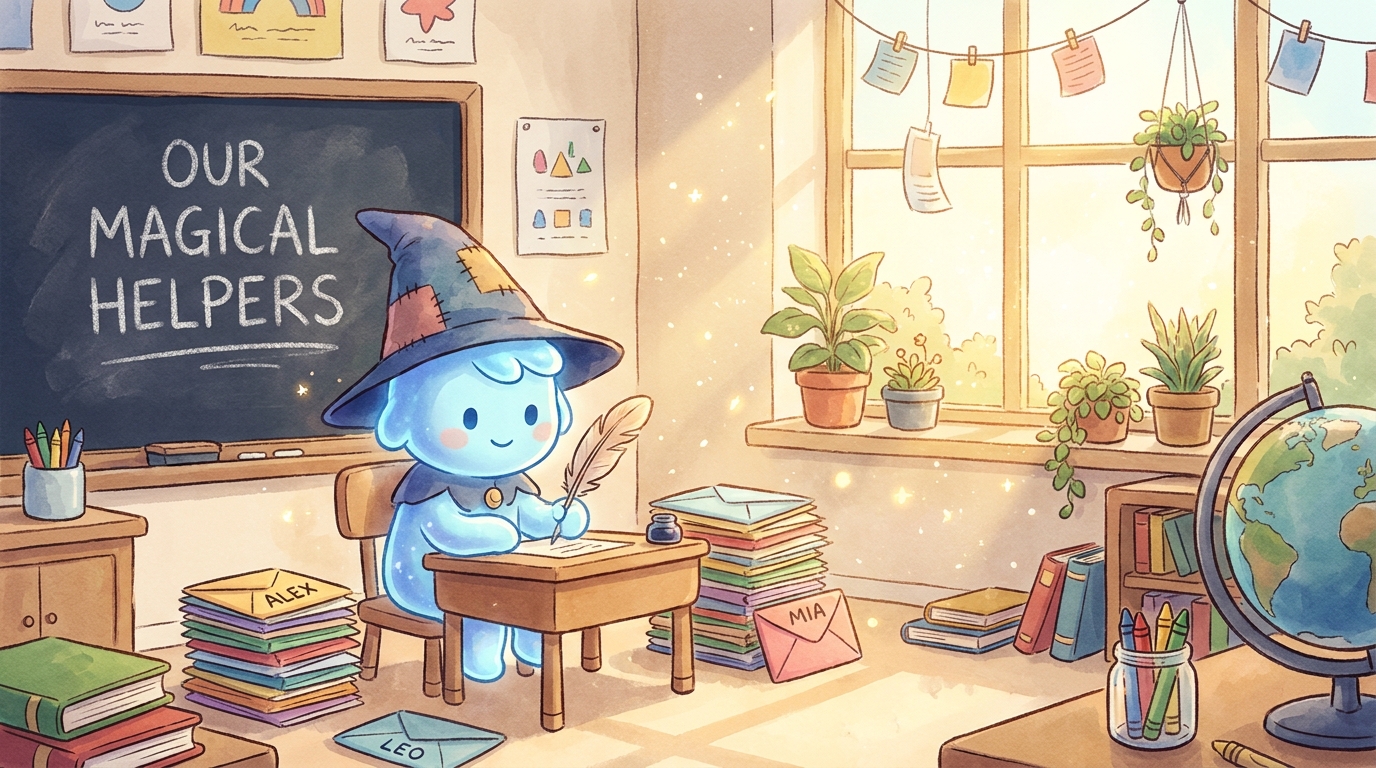
The answer lies in a whimsical, surprisingly powerful tradition: the class mascot. While a plush toy or classroom character might seem like a simple decoration, it becomes a transformative teaching tool the moment it begins to communicate. Personalized student letters from a class mascot turn routine classroom management into magical moments that boost engagement, foster a sense of belonging, and create memories that last long after the school year ends.
Table of Contents
- Why Class Mascot Letters Work: The Psychology Behind the Magic
- Strategic Moments to Send Personalized Student Letters
- What Makes Mascot Letters Truly Personal (Not Generic)
- Creating 25+ Personalized Letters Without Burning Out
- Class Mascot Letter Ideas for Every Season and Situation
- Beyond Elementary: Middle School and Special Needs
- Frequently Asked Questions
Create Classroom Magic in Minutes
Teachers love The Magic Letter Box Classroom Edition! Upload your roster, choose a template, and generate personalized letters for your entire class at once. 10 free trial letters, then just $25/year for unlimited letters for up to 35 students!
Why Class Mascot Letters Work: The Psychology Behind the Magic
To an adult, a class mascot is a stuffed animal. To a child, particularly those between the ages of 5 and 8, that mascot is a living, breathing member of the classroom community. This phenomenon is rooted in what developmental psychologists call "magical thinking." During this stage, children easily blur the lines between reality and fantasy, allowing them to form deep emotional bonds with inanimate objects that represent safety and friendship.
When a mascot 'writes' a letter, it triggers a powerful dopamine response. This isn't just about the excitement of receiving mail; it's about the psychological impact of third-party praise. Often, a student who has become 'immune' to a teacher's constant reminders or even their standard praise will sit up straighter when the mascot notices their effort. Because the mascot is seen as an impartial observer—a friend who is "just watching"—their recognition often carries more emotional weight than the teacher’s directed instruction.
Real-World Impact
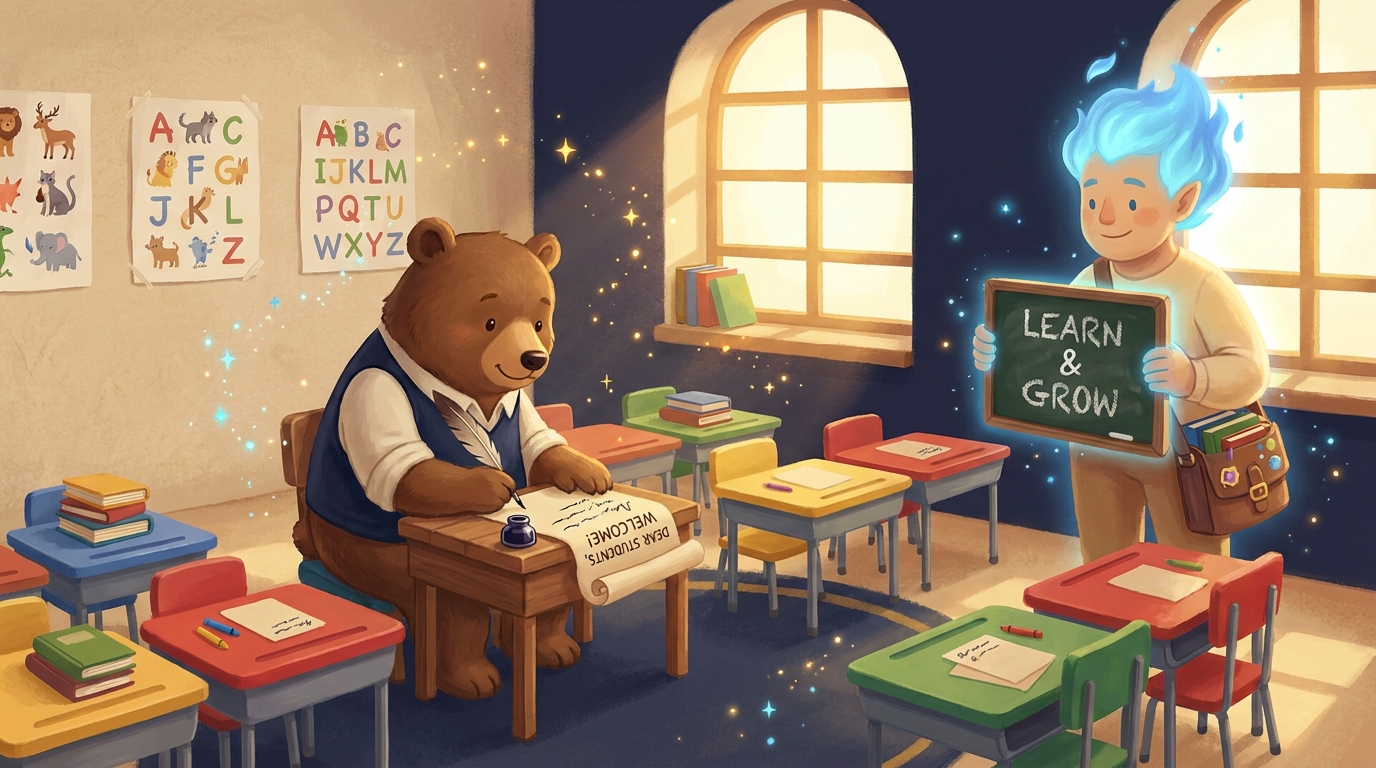
- The Reluctant Reader: In a 2nd-grade classroom, a student who struggled with reading motivation completely transformed her attitude after the class mascot, 'Barnaby the Bear,' wrote her a note mentioning he saw her working hard on her phonics and loved the way she turned the pages.
- Reducing Anxiety: A Kindergarten teacher used mascot letters to combat separation anxiety. The mascot wrote to students before the first day, telling them how excited he was to meet them and mentioning their favorite hobbies (sourced from parent surveys).
- Social-Emotional Learning (SEL): In special education settings, mascot letters serve as a non-threatening way to model social stories. When the mascot 'shares' a struggle they had and how they overcame it, students feel a safe sense of solidarity.

Strategic Moments to Send Personalized Student Letters from Class Mascots
Timing is everything when it comes to maximizing the impact of mascot communication. While a random letter is always a delight, strategic placement can help navigate the most difficult parts of the school year.
The First Week of School: Establish the mascot’s personality immediately. A welcome letter that mentions something unique about each student—perhaps their favorite color or a pet—sets a tone of radical belonging. It tells the student, "I see you, and you are welcome here."
Challenging Transitions: We all know the 'January Slump' or the chaotic energy after a long spring break. These are perfect moments for a mascot to check in. A letter acknowledging that "getting back into the swing of things is hard, but I saw you working so well on your math today" can provide the gentle nudge a student needs to refocus.
Individual Achievement & Birthdays: Celebrating milestones doesn't always have to be a loud, classroom-wide event. For a shy student, a quiet letter from the mascot acknowledging they raised their hand for the first time is far more meaningful than a public shout-out. Similarly, birthday letters provide a way to make every child feel special without the pressure of a full classroom party.
Before Testing: Standardized testing can be a source of immense stress. A mascot letter focused on confidence and "doing your best" rather than "getting the right answer" can significantly lower cortisol levels and help students approach the task with a growth mindset.
What Makes Mascot Letters Truly Personal (Not Generic)
The magic of these letters fades if they feel like a mail-merged form letter. To truly capture a student's heart, the mascot must prove they are actually paying attention. This requires moving beyond "You are a good student" to "I loved the way you used bright orange in your sunset painting yesterday."
To achieve true personalization, focus on these four pillars:
- Specific Observations: Reference a recent project, a comment they made during a read-aloud, or a specific act of kindness toward a classmate.
- Student Interests: Use the data you've gathered from interest surveys. If a student loves Minecraft, the mascot might mention they'd love to see what the student could build for a classroom project.
- Preferred Language: Use the student’s nickname and grade-appropriate vocabulary. A letter to a 1st grader should be simple and punchy; a letter to a 5th grader can include more sophisticated humor and vocabulary.
- Classroom Context: Connect the letter to what is happening in the room. If the class is reading Charlotte's Web, the mascot might mention how they think the student is as 'terrific' as Wilbur.
Creating 25+ Personalized Letters Without Burning Out
Let's be honest: the reason most teachers don't do this is time. Hand-writing or even manually typing 25 deeply personalized letters can take 4 hours or more. In the modern classroom, that is time most educators simply do not have.
This is where technology serves as an enabler of teacher care, not a replacement for it. Using bulk generation tools designed specifically for the classroom allows you to maintain that 'human touch' at scale. By using a CSV import (a simple spreadsheet), you can take the data you are already tracking—reading progress, behavior notes, and interests—and funnel it into a system that generates unique letters for every student in minutes.
Imagine uploading your roster and a few notes about each child's recent wins, and having a set of 28 print-ready, beautifully designed letters from your mascot ready before your lunch break ends. Tools like The Magic Letter Box are designed to handle the formatting and design work, so you can focus on the content that matters. This ensures that even the busiest teacher can provide every student with a tangible keepsake without facing burnout.
Class Mascot Letter Ideas for Every Season and Situation
If you're looking for inspiration, here is a seasonal roadmap for your mascot’s communication:
Fall: The Foundation
Focus on community and growth mindset. The mascot can write about how they are 'growing' alongside the students. Use autumn themes—like falling leaves—to talk about letting go of mistakes and trying again.
Winter: The Encouragement
January and February are long months. Use the mascot to provide a 'mid-year boost.' Have the mascot reflect on how much the student has improved since September. "I remember when you found double-digit addition tricky, and now you're a pro!"
Spring: The Celebration
As the 100th day of school or major novel units wrap up, the mascot can celebrate these academic milestones. This is also a great time for 'Kindness Letters,' where the mascot highlights how the student has helped build a positive classroom culture.
End of Year: The Legacy
The final letter is the most important. It should be a reflection of the student's entire journey. These are the letters that students keep in their desks, lockers, and bedrooms for years. One teacher even discovered a former student still had their 2nd-grade mascot letter framed in their college dorm room!
Beyond Elementary: Mascot Letters for Middle School and Special Needs
It is a common misconception that mascots are only for the primary grades. In reality, the concept of a 'mascot' or 'character' evolves beautifully for older students and specialized settings.
Middle School: At this age, students respond well to mascots when they are framed as a classroom tradition, an inside joke, or a team identity. A 6th-grade science teacher might have a lab mascot—perhaps a 'mad scientist' figure—who writes letters praising their experimental observations. It moves from "magic" to "community culture."
Special Education: For students with diverse learning needs, mascots provide a consistent, non-threatening form of communication. For students on the autism spectrum, mascot letters can be used to preview changes in routine or to practice social stories in a way that feels safe and predictable.
ESL/ELL Classrooms: Mascot letters are incredible tools for language acquisition. Because the letters use familiar classroom context and refer to the student's own life, they provide high-interest reading practice that is more engaging than a standard textbook.
Frequently Asked Questions
Most teachers find 4-6 times per year creates the right balance of special without losing impact. Key moments include: welcome letters (first week), fall celebration (October/November), winter encouragement (January), spring growth recognition (March/April), and end-of-year reflection (May/June).
Even skeptical students enjoy the recognition and special attention. Frame it as a classroom tradition rather than insisting the mascot is 'real.' Older students often become protective of the magic for younger classmates, which builds community. The personalized content matters more than literal belief.
Yes, using bulk generation tools like The Magic Letter Box. You can upload your roster, input individual details, and generate all personalized letters in minutes. This allows you to focus on the personal touches rather than the manual labor of formatting.
Absolutely, when framed as a team identity or subject-specific character. Middle schoolers respond well to humor, respect, and authentic recognition. Many teachers use them for advisory groups to build a strong, supportive micro-community.
Creating a magical classroom doesn't require a Hollywood budget or an endless supply of time. Often, all it takes is a familiar character and a few well-chosen words to make a student feel like the most important person in the room. By leveraging the power of class mascot letters, you aren't just teaching—you're building a legacy of belonging.
Ready to start your own classroom tradition? Visit The Magic Letter Box Classroom Edition to generate your first 10 letters for free and see the magic for yourself.
Turn this idea into printable classroom letters
Written by The Magic Letter Box
Creating magical moments for families through personalized letters and thoughtful parenting resources.