Back to School Anxiety Letter from Magical Friend
The transition back to school is a monumental emotional event for children. While some leap toward the bus with excitement, many others experience a quiet (or loud) wave of apprehension. For educators and parents, managing this anxiety requires more than just a firm hug and a promise that "everything will be okay." It requires a bridge—a way to connect the safety of home with the new possibilities of the classroom.
Create Classroom Magic in Minutes
Teachers love The Magic Letter Box Classroom Edition! Upload your roster, choose a template, and generate personalized letters for your entire class at once. 10 free trial letters, then just $25/year for unlimited letters for up to 35 students!
Why Back-to-School Anxiety Needs More Than Reassurance
Every August and September, millions of children face the "Sunday Scaries" on a grand scale. Statistics from organizations like Understood.org suggest that school transitions are among the most stressful periods in a child's development. This is especially true in the post-summer lull, where the shift from unstructured play to academic rigor feels jarring.
When a child expresses fear about their new teacher or whether they will have someone to sit with at lunch, the natural parental instinct is to offer immediate reassurance: "You'll be fine! You're so smart! Everyone will love you!" However, to an anxious child, these broad strokes often fall flat. They feel like their specific, heavy fears are being dismissed rather than understood.
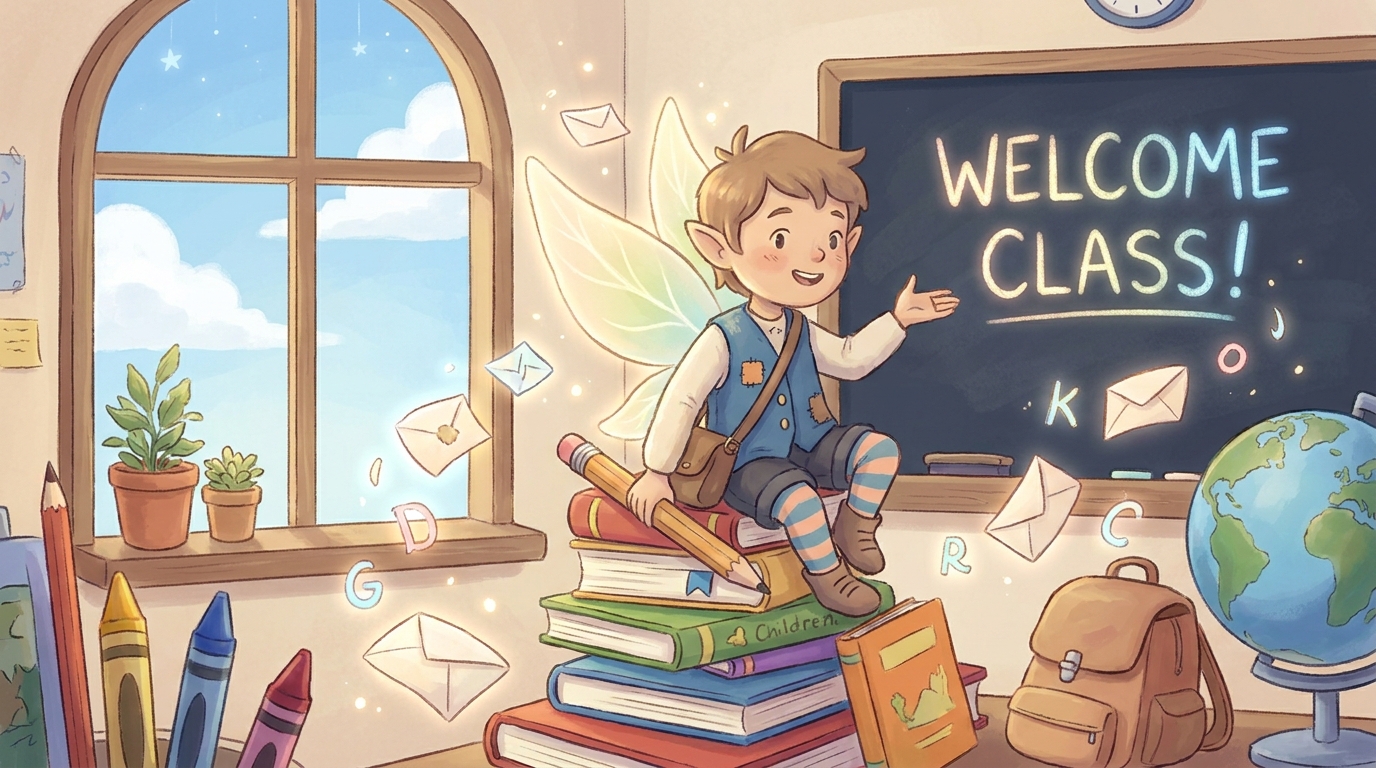
This is where the psychological power of third-party validation comes into play. Developmental psychologists note that children between the ages of 4 and 10 process the world through a lens of imagination. A message from a "magical friend"—be it the Tooth Fairy, a Birthday Fairy, or a Classroom Mascot—carries a different kind of weight than a parent's advice. It creates an emotional safety net. Because these characters are perceived as all-knowing and benevolent, their validation of a child's feelings acts as a powerful therapeutic tool.
What Makes a Magical Letter Effective for Anxiety
A truly effective back-to-school letter doesn't just say "Good luck." It provides a framework for emotional resilience. To maximize the impact, the letter must contain three essential elements: acknowledgment, normalization, and strategy.
- Acknowledgment: The character should mention a specific worry. For example, a letter from the Tooth Fairy might say, "I heard you're a little worried about finding the cafeteria." This proves the character is truly paying attention.
- Normalization: The character explains that feeling nervous is a part of the process. "Even fairies get butterflies before their first flight!" helps a child realize they aren't 'wrong' for feeling scared.
- Concrete Strategies: Provide a small, actionable step. This could be a "bravery word" to whisper or a reminder of a past success.
Character selection is equally vital. If your child recently lost a tooth, the Tooth Fairy is an excellent choice. If they have a favorite stuffed animal or a class mascot they've heard stories about, that character becomes the primary source of truth. Timing also dictates effectiveness. A letter delivered a week early can help build anticipation, while a morning-of note provides an immediate confidence surge.
Crafting Your Back to School Anxiety Letter: Key Components
When drafting the content, think of the letter as a three-act play. The opening should immediately establish the connection. "I was flying over your house and saw your new backpack!" creates instant engagement.
The middle of the letter addresses the "Big Three" anxieties: separation, social dynamics, and academic pressure.
- Separation: "Your mom will miss you too, but she'll be so excited to hear about your day when you get home."
- Social: "Remember, everyone is looking for a friend on the first day. Maybe you can be the one to smile first?"
- Academic: "Learning means making mistakes—that's how magic works too! Every mistake is just a new discovery."
Finally, the closing should act as a lingering hug. Remind the child that the character is rooting for them throughout the day. This transforms the letter from a piece of paper into a "transitional object"—something they can mentally carry with them into the classroom.
For Parents: Delivering the Letter for Maximum Impact
In the world of childhood magic, presentation is everything. A letter found inside a lunchbox or tucked under a pillow carries more mystery than one handed over casually. For parents, being a "co-creator" of this magic requires a bit of theater.
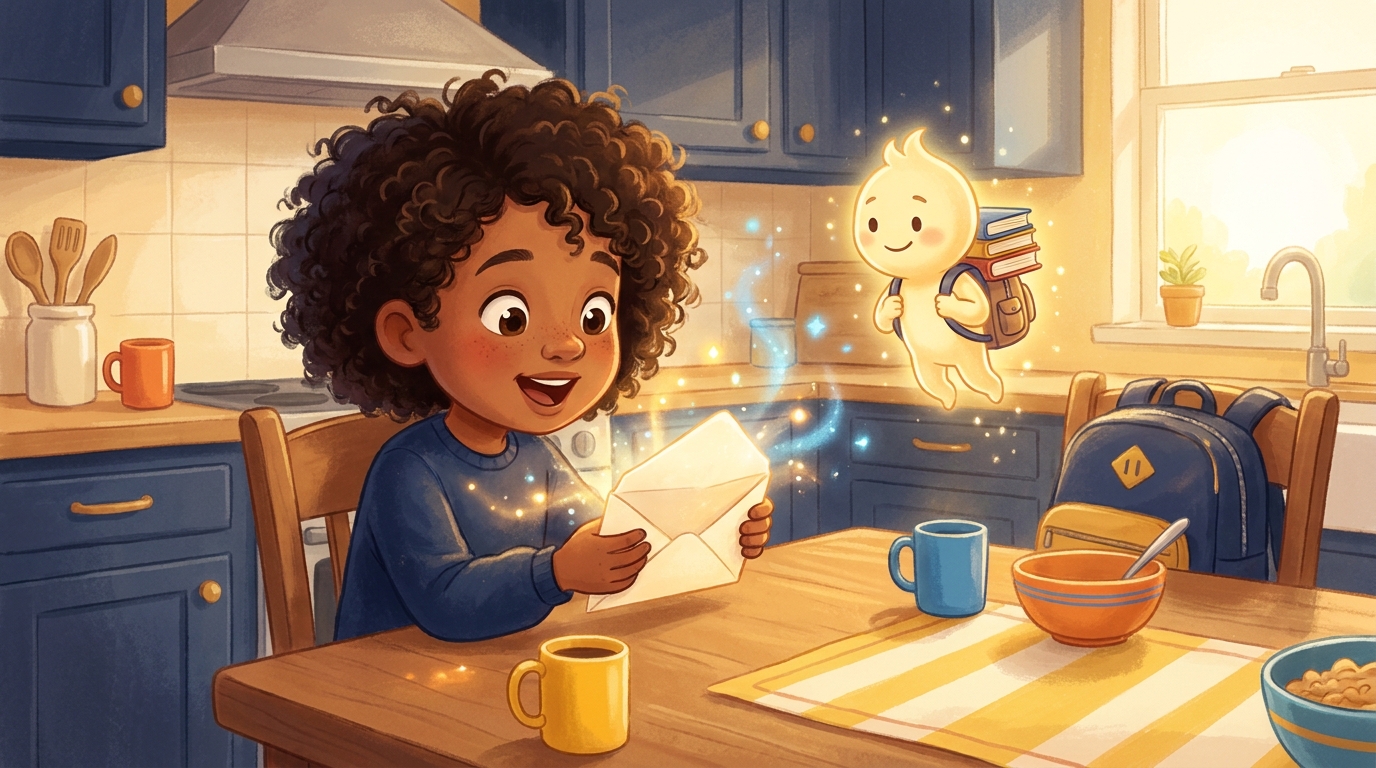
Consider placing the letter next to a special first-day breakfast. If your child is a private processor, let them read it alone. If they seek connection, read it together on the car ride to school. This shared experience allows you to reinforce the message without being the one who "forced" the advice. If your child starts to question the authenticity of the character, lean into the feeling rather than the fact. "Isn't it amazing that someone was thinking about you today?" shifts the focus back to the emotional support.
For Teachers: Using Magical Letters for Whole-Class Relief
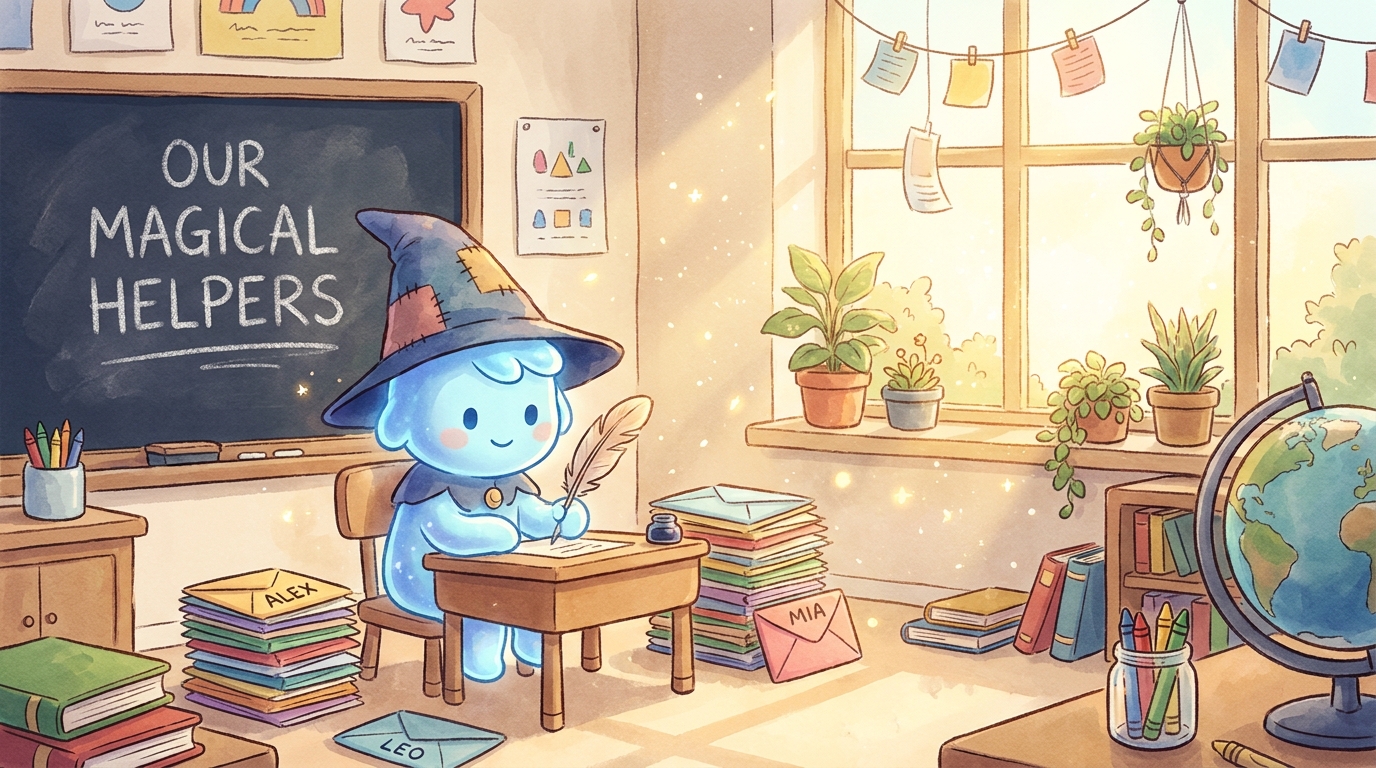
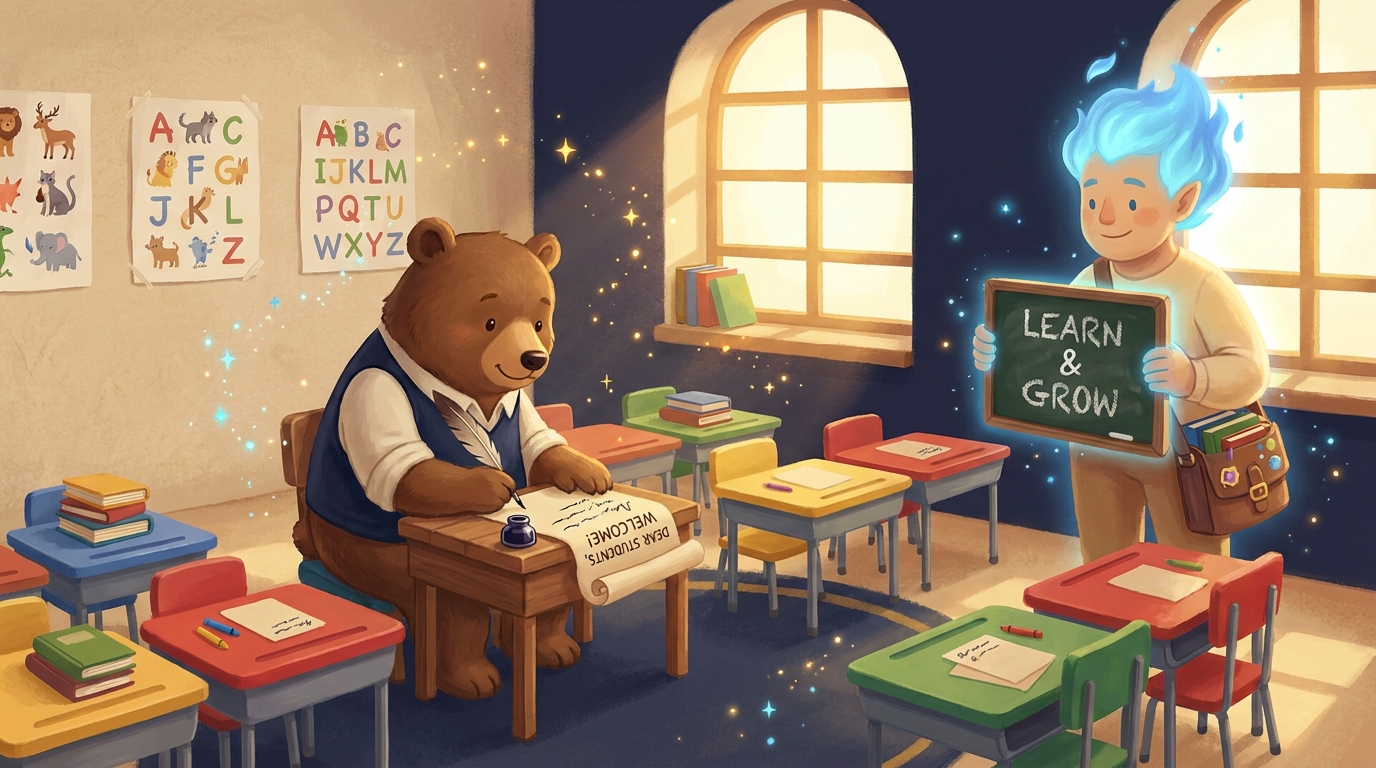
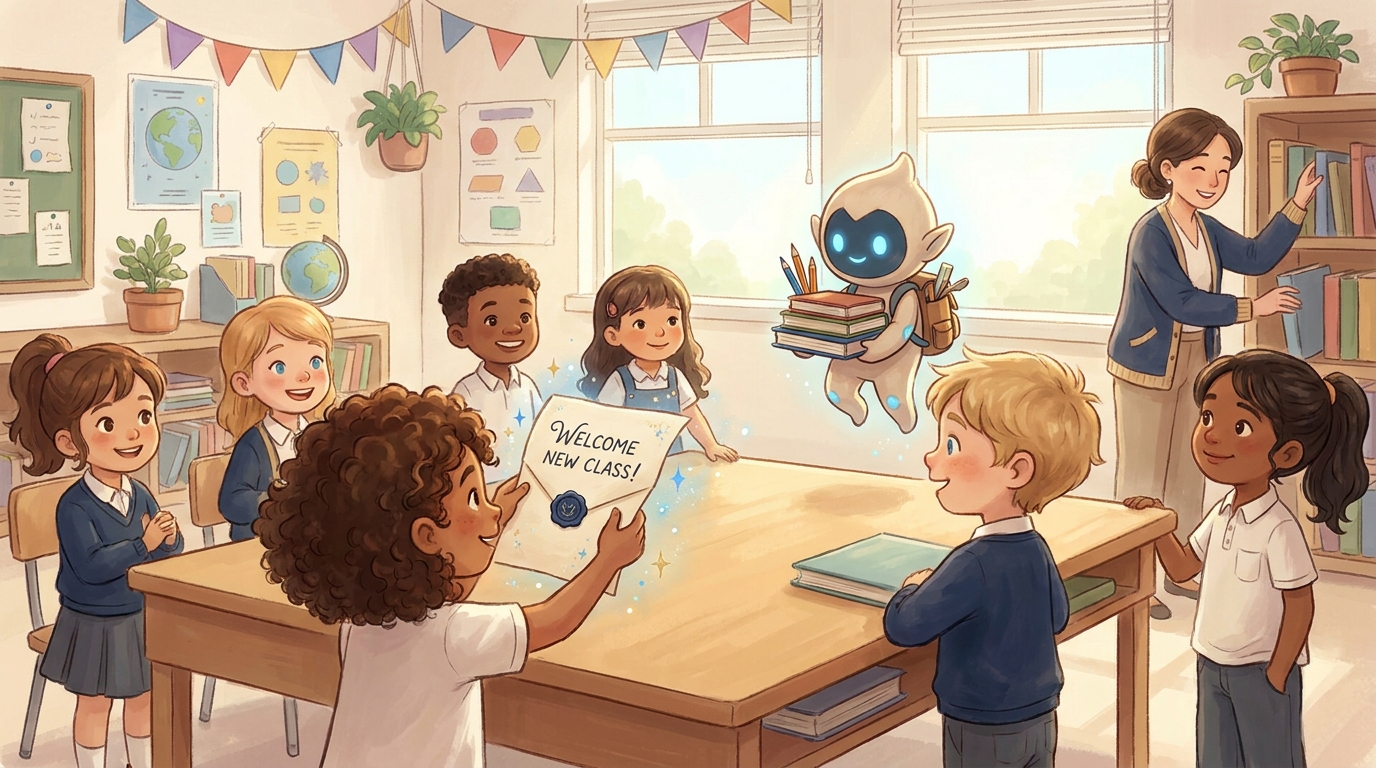
Teachers face a unique challenge: managing the collective anxiety of 20 to 30 students simultaneously. Using classroom mascot letters is a highly effective way to build community from the very first bell. When every student receives a personalized note, they immediately feel seen and valued by the "spirit" of the room.
Using digital tools, teachers can now import a CSV roster to generate these letters in bulk. Each letter can include the student's name, a mention of their favorite hobby, and a specific encouragement. This level of personalization, which once took hours of manual writing, can now be done in minutes. Resources like Edutopia emphasize that creating a sense of belonging is the first step in effective classroom management.
Beyond the first day, these letters can be used for growth mindset encouragement or celebrating a "Star Student." The ongoing correspondence keeps the magic alive and the anxiety levels low throughout the school year.
Real Results: How Magical Letters Change First-Day Experiences
The feedback from parents and teachers who have used magical letters is consistently heartwarming. One parent reported that their daughter, who usually suffered from severe morning meltdowns, kept her letter from the Birthday Fairy tucked in her backpack side-pocket all week. Every time she felt overwhelmed, she would touch the envelope as a "brave token."
In the classroom, teachers have observed that students who receive letters from a mascot are more likely to engage in classroom routines. The mascot becomes a peer-like figure who sets the tone for the year. By the time the end of the year rolls around, these letters often become cherished keepsakes in a student's memory book.
Frequently Asked Questions
What age range responds best to back to school anxiety letters?
Children ages 4-10 typically respond most strongly, as they're in the developmental stage where magical thinking is natural and comforting. Younger elementary students especially benefit because they're experiencing school transitions while still believing in characters like the Tooth Fairy and Santa.
Which magical character should I choose for a back to school letter?
Choose a character your child already has a relationship with. The Tooth Fairy works well for children who've recently lost teeth, while a Birthday Fairy is perfect if their birthday is near the school year start. For teachers, a class mascot creates a fresh character specific to the new classroom.
When is the best time to give my child the letter?
The night before school starts is often ideal—it gives your child something positive to think about before bed. Alternatively, present it at breakfast on the first day for an immediate confidence boost.
Can teachers really personalize letters for an entire classroom?
Yes, through bulk generation tools that allow CSV roster imports with individual student details. The Magic Letter Box Classroom Edition allows up to 35 personalized letters in minutes, making it easy to address each child's specific needs.
What if my child doesn't believe in magical characters anymore?
Even skeptical children often appreciate the thoughtfulness and can engage with letters as a comforting tradition. Frame it as a special first-day tradition rather than insisting on literal belief.
Ready to ease those first-day jitters? Start today with 5 free letters for families or explore the Classroom Edition specifically designed for busy teachers.
Written by The Magic Letter Box
Creating magical moments for families through personalized letters and thoughtful parenting resources.