Classroom Mascot Letter Ideas for Elementary Teachers
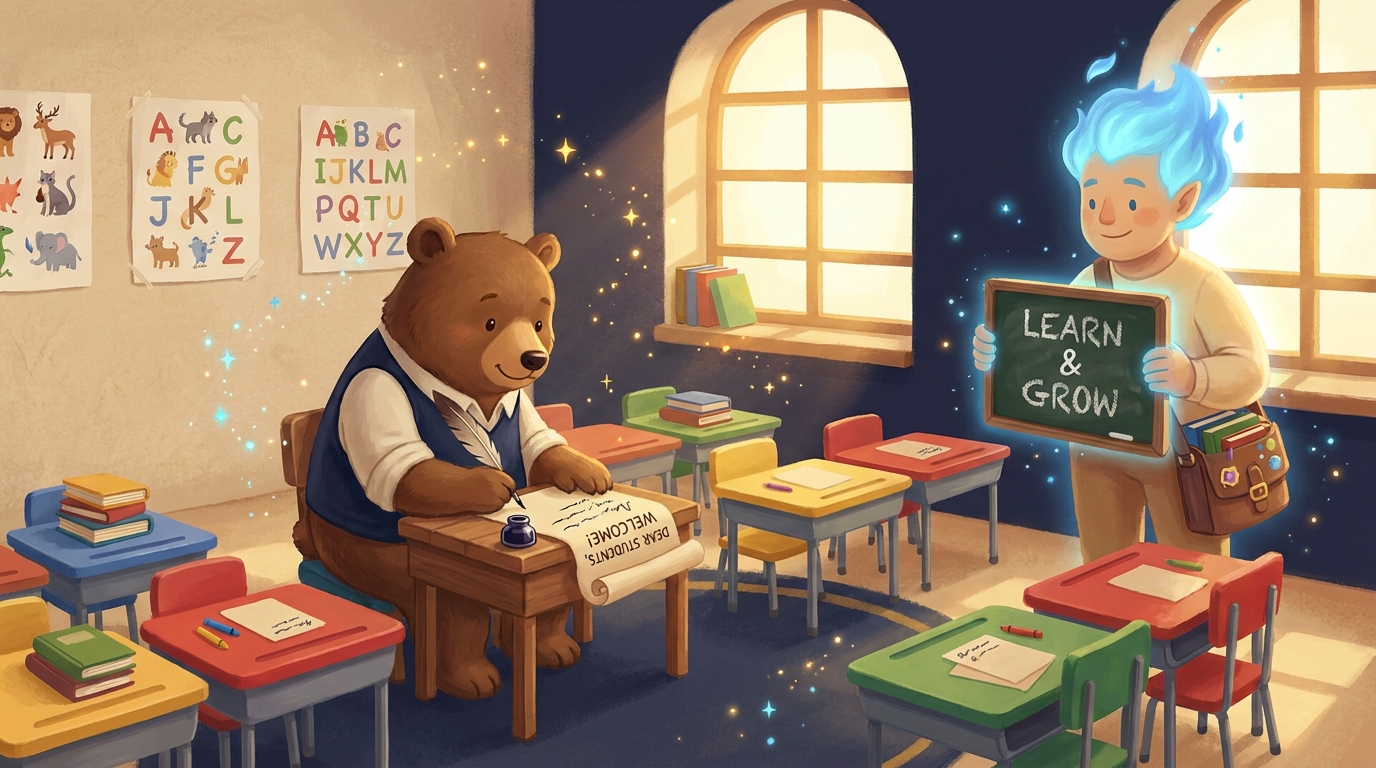
In the bustling world of an elementary classroom, magic isn't just a fairy tale concept—it is a powerful pedagogical tool. Every teacher knows the challenge of maintaining high engagement while managing the diverse social-emotional needs of thirty young learners. Enter the classroom mascot: a silent partner in education that, through the power of written communication, can transform your classroom culture from the inside out.
Create Classroom Magic in Minutes
Teachers love The Magic Letter Box Classroom Edition! Upload your roster, choose a template, and generate personalized letters for your entire class at once. 10 free trial letters, then just $25/year for unlimited letters for up to 35 students!
Why Classroom Mascot Letters Work in Elementary Education
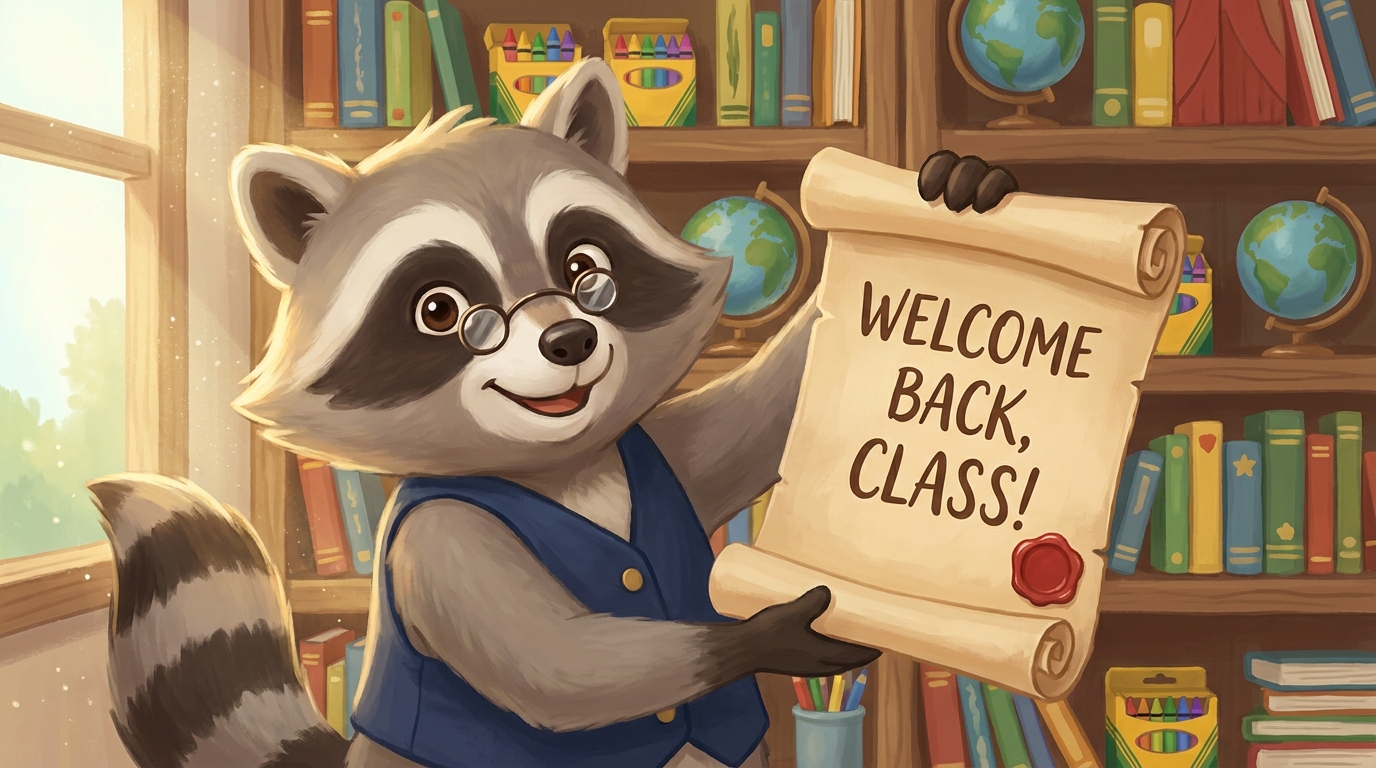
The psychological impact of a mascot letter on a child is profound. At the elementary level, students are in a developmental stage where symbolic thinking and imagination are primary drivers of learning. According to research highlighted by Edutopia, creating a sense of belonging is a prerequisite for academic risk-taking. A mascot provides this sense of belonging by acting as a shared friend for the entire class.
There is a unique phenomenon known as the "third-party validation effect." While a teacher’s praise is valuable, it can sometimes feel like a standard part of the school routine. When a letter arrives from a "Reading Raccoon" or a "Math Wizard," the praise feels objective and magical. It validates the student's effort from an outside perspective, which significantly boosts internal motivation.
Consider these examples across different grade levels:
- Kindergarten: A "Reading Raccoon" who leaves tiny notes in the library nook celebrating students who handle books with care.
- Third Grade: A "Math Wizard" who sends letters to students who show persistence in solving multi-step word problems, using growth mindset letters to normalize the struggle of learning.
- Fifth Grade: A "Science Explorer" who acknowledges the sophisticated curiosity of older students by highlighting specific "What if?" questions asked during a lab.
Choosing the Right Mascot Personality for Your Class
Selecting a mascot is more than just picking a stuffed animal; it’s about establishing a classroom identity. The personality of your mascot should align with the developmental stage of your students. For K-1, a soft, nurturing character like a bear or bunny works best. For grades 4-5, a mascot with a bit of humor, an "adventurer" persona, or even a slightly sarcastic but supportive bird can resonate better.
Cultural sensitivity is paramount. Choose characters that are inclusive and avoid tropes that might alienate any part of your student population. Whether you choose a STEM-focused robot or a kindness-focused capybara, consistency is key. Give your mascot a backstory, a specific way of speaking (perhaps they use big "scientist words" or love alliteration), and a clear set of values.
Should students help choose? Involving students in the naming process can increase buy-in, but having a pre-selected "visitor" arrive on the first day creates an immediate sense of wonder. For more ideas on character-specific writing, see our guide on personalized student letters from class mascots.
Strategic Occasions for Sending Mascot Letters
Timing is everything when it comes to maintaining the "magic." To maximize impact, focus on these key moments:
- The First Week: A welcome letter from the mascot helps ease transition anxiety and introduces classroom rules in a non-threatening way.
- Academic Milestones: Celebrate reaching a new reading level or mastering multiplication tables. These letters serve as star student recognition letters that focus on effort rather than just talent.
- Behavioral Reinforcement: Use the mascot to "spot" acts of kindness. A letter saying, "I saw how you helped Sarah pick up her markers," reinforces the social-emotional learning (SEL) goals of your classroom.
- Challenging Transitions: Winter doldrums or the week before standardized testing are perfect times for a motivational boost from a furry friend.
Crafting Effective Mascot Letter Content by Grade Level
Effective communication requires meeting students where they are. According to Reading Rockets, tailored literacy experiences are essential for developing readers.
K-1: Simple and Visual
Keep sentences short and vocabulary concrete. Use large fonts and perhaps a small drawing or sticker. Example: "I saw you help Emma find her crayon today! Friends who share are the BEST friends. Love, Barnaby Bear."
2-3: Story and Observation
Incorporate more descriptive language and specific curriculum references. Example: "Your butterfly life cycle diagram showed incredible attention to detail—especially those antennae! You have the eyes of a real scientist."
4-5: Sophistication and Humor
Older students appreciate complex vocabulary and intrinsic motivation. Example: "I heard you asked THREE questions during the science experiment today. Curious minds change the world! Keep digging deeper."
Implementing a Sustainable Mascot Letter System
The biggest hurdle for teachers is time. To make mascot letters sustainable, you must have a system. Batching is your best friend. Instead of writing one letter a day, set aside 20 minutes on a Friday to write four or five using a template.
A visible routine can make these writing blocks easier to protect. Set a classroom timer for 20 minutes during planning time, then use the signal to stop drafting and return to the rest of your preparation.
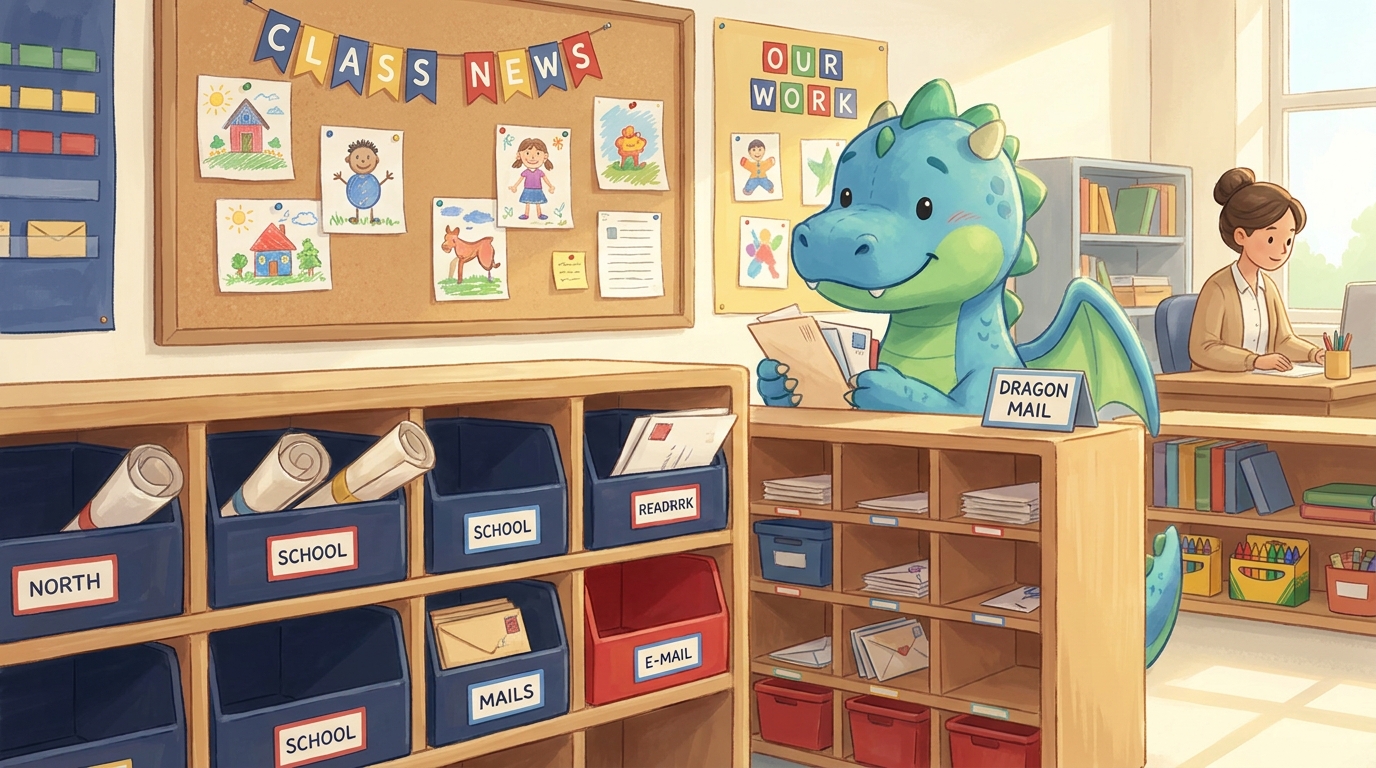
Physical delivery adds to the excitement. Whether it’s a dedicated "Mascot Mailbox" or letters mysteriously appearing on desks during recess, the routine becomes something students look forward to. For teachers managing high student counts, using bulk letter generation tools can save hours of work while allowing for the individual touches that make these letters special.
Extending Mascot Letters Throughout the Academic Year
A mascot letter isn't just for the first month of school. You can use them to introduce new units (e.g., a letter from a "Time-Traveling Turtle" to kick off a history unit) or to handle seasonal excitement. During the holidays, you might even pivot to specific seasonal characters, such as using leprechaun letters for classroom parties to add a layer of mystery to March.
Mascot letters also serve as a bridge to home. When a child brings a letter home, parents see the positive reinforcement happening in your room. This often leads to improved parent-teacher relationships, as families see you recognizing their child's unique strengths. Finally, as the year closes, an end of year letter from the mascot can provide a sense of closure and a lasting keepsake for the student's portfolio.
Frequently Asked Questions
How often should I send classroom mascot letters to students?
Aim for each student to receive at least one individual letter per quarter, supplemented with class-wide letters monthly or for special occasions. This frequency maintains the magic without overwhelming your schedule. Consistency matters more than quantity—students anticipate mascot communication when it follows a predictable rhythm.
What age is too old for classroom mascot letters?
Elementary students through fifth grade respond enthusiastically to mascot letters when the character and content match their developmental stage. Upper elementary students appreciate humor, specific academic recognition, and mascots with distinct personalities rather than cutesy characters. The key is sophistication in content, not abandoning the concept.
How do I personalize mascot letters without spending hours writing?
Use template frameworks with fill-in-the-blank sections for student names, specific observations, and achievements. Tools like The Magic Letter Box allow bulk generation from class rosters while maintaining personalization fields. Keep a running list of student moments throughout the week to reference quickly when writing letters.
Can classroom mascot letters help with behavior management?
Yes, when used strategically. Mascot letters work best for positive reinforcement of desired behaviors rather than addressing negative behaviors. Letters that celebrate kindness, perseverance, or following procedures encourage repetition of those behaviors and create models for other students without singling anyone out negatively.
Should I tell students the classroom mascot isn't real?
Let students lead this discovery naturally. Elementary students exist on a spectrum of belief, and mascot letters remain valuable even when students understand the teacher writes them. The magic lies in the special attention and thoughtful recognition, not the literal existence of the character. If asked directly, gentle honesty preserves trust while maintaining the fun.
Ready to start your own classroom tradition? Check out The Magic Letter Box Classroom Edition for easy bulk generation and roster management tools designed specifically for busy teachers.
Written by The Magic Letter Box
Creating magical moments for families through personalized letters and thoughtful parenting resources.