Magical Reading Incentive Letters for Classroom Programs That Actually Work

Every elementary teacher knows the "Plateau of October." The initial excitement of the new school year has faded, the novelty of the classroom library has worn off, and the reading logs are starting to come back half-empty. You’ve tried the pizza parties, the sticker charts, and the treasure box, but these extrinsic rewards often feel like a transaction: Read 10 books, get one plastic toy.
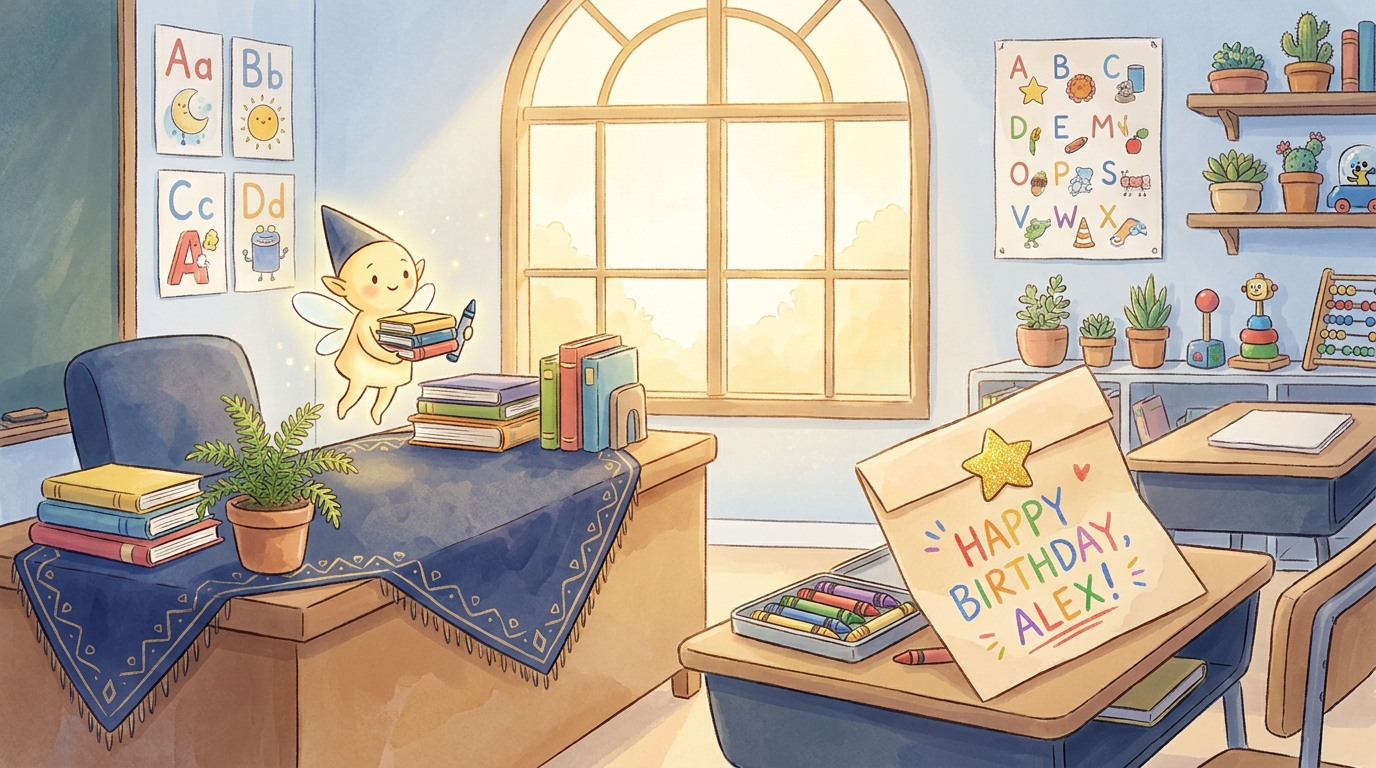
What if the reward wasn't a toy, but a connection? What if the incentive felt like a part of the story itself? At The Magic Letter Box, we have seen a profound shift in classroom dynamics when teachers move away from generic rewards and toward personalized reading incentive letters. By tapping into the developmental psychology of wonder, these letters transform the act of reading from a chore into a magical quest.
Create Classroom Magic in Minutes
Teachers love The Magic Letter Box Classroom Edition! Upload your roster, choose a template, and generate personalized letters for your entire class at once. 10 free trial letters, then just $25/year for unlimited letters for up to 35 students!
Why Traditional Reading Rewards Fall Flat (And What Works Instead)
For decades, the standard for literacy motivation has been extrinsic: the goal is the pizza, not the prose. While these programs can drive short-term compliance, research in educational psychology suggests they can actually undermine intrinsic motivation. When children are "paid" to read, they often choose the shortest books possible just to reach the quota.
The problem with generic certificates and sticker charts is that they celebrate completion, not the journey. They treat reading like a checklist rather than an experience. In contrast, personalized narratives create an emotional connection to reading goals. When a student receives a letter from a magical character who mentions the specific dragon they just read about, the boundaries between the book and reality blur in the most delightful way.
Case Study: The 2nd Grade Shift
Consider a 2nd-grade classroom in Ohio that participated in a pilot study. For the first semester, they used a standard pizza party incentive. Voluntary reading time averaged 12 minutes per day. In the second semester, they switched to monthly personalized letters from a "Library Gnome." The result? Voluntary reading time jumped to 18 minutes per day—a 40% increase. Students weren't reading for the pepperoni; they were reading because they wanted to see if the Gnome would notice their progress.

Matching Magical Characters to Reading Milestones and Grade Levels
Effective literacy motivation requires meeting a child where they are developmentally. A kindergartener’s sense of wonder is vastly different from a fifth grader’s burgeoning independence.
K-1st Grade: The Tooth Fairy and Early Literacy
There is a beautiful biological coincidence in early elementary: children lose their primary teeth at the exact same time they are decoding their first sentences. Using the Tooth Fairy as a reading advocate is incredibly effective. A sample letter might say: "I flew by your pillow last night and saw 'The Cat in the Hat' on your nightstand. I was so impressed by how you sounded out the word 'straddle'!"
2nd-3rd Grade: Seasonal Characters and Chapter Books
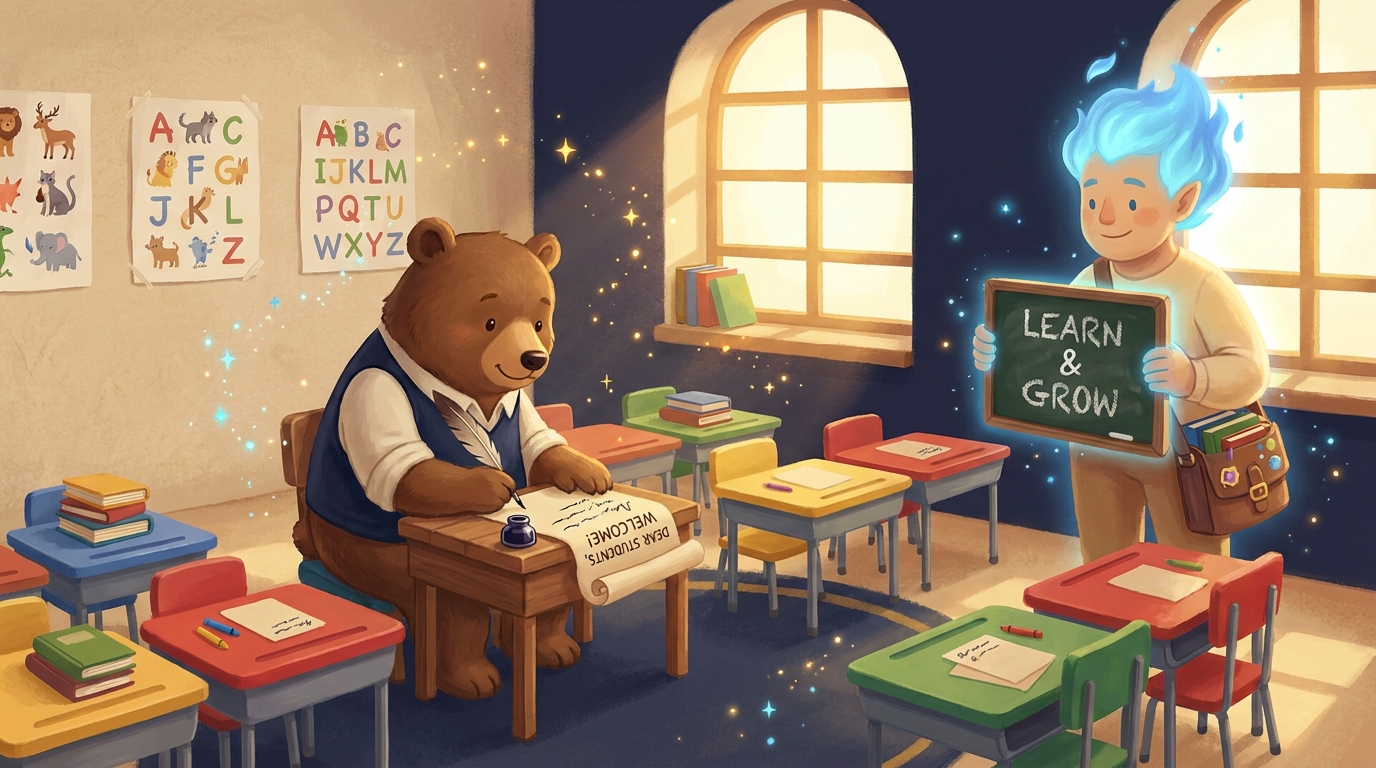
As students transition to chapter books, they need sustained motivation. Seasonal characters like a Holiday Elf or the Easter Bunny can act as "check-ins." For a 3rd grader finishing their 10th chapter book, a letter from a class mascot—perhaps a wise old bear—can acknowledge the stamina required to finish longer stories.
4th-5th Grade: Achievement-Focused Recognition
Older students may act "too cool" for some characters, but they still crave recognition. The Birthday Fairy or a "Master of Stories" character works best here. For these students, focus the character's voice on their growing expertise and the complexity of the themes they are exploring.
The Strategic Timing Formula: Before, During, and After Letters
Timing is everything in classroom management. To maintain momentum, letters should follow a specific cadence:
- BEFORE: Set expectations in September. A letter from a "Time-Traveling Scholar" can introduce the year-long reading adventure, explaining that they will be watching for "brave explorers of the page."
- DURING: The mid-point slump is real. In November or February, a check-in letter from a character like a Thanksgiving Turkey or a Winter Sprite can mention specific books students have read, providing fuel to reach the finish line.
- AFTER: Celebration letters should arrive immediately after a milestone. These should be the most personalized, using data points like the number of pages read or a specific genre mastered.
How to Personalize Reading Letters for 25+ Students Without Burning Out
The number one concern teachers have is time. Writing 25 individual letters by hand is impossible. This is where The Magic Letter Box Classroom Edition becomes a game-changer. By using a bulk generation approach, you can maintain high-level personalization without the manual labor.
Step-by-Step Workflow:
- Data Collection: Use a simple Friday routine. Spend 5 minutes having students jot down their "Book of the Week" on a sticky note or digital form.
- CSV Upload: Once a month, drop these names and book titles into a CSV template.
- Bulk Generation: Upload the CSV to The Magic Letter Box. The system injects these specific details into your chosen character's template.
- Distribution: Print and place them in your classroom's "Magical Mailbox."
This process takes about 2 hours of initial setup for the year, and then only 15 minutes per batch of letters. Compared to the hours spent cutting out paper certificates or managing a complex point system, it is remarkably efficient.
Integrating Reading Incentive Letters Into Your Existing Literacy Program
You don't need to scrap your current curriculum. These letters are designed to enhance programs like Accelerated Reader (AR) or Reading Counts. For example, when a student reaches their AR goal, instead of just a printout from the computer, they receive a letter from a character celebrating their "Points of Power."
Creating Classroom Rituals
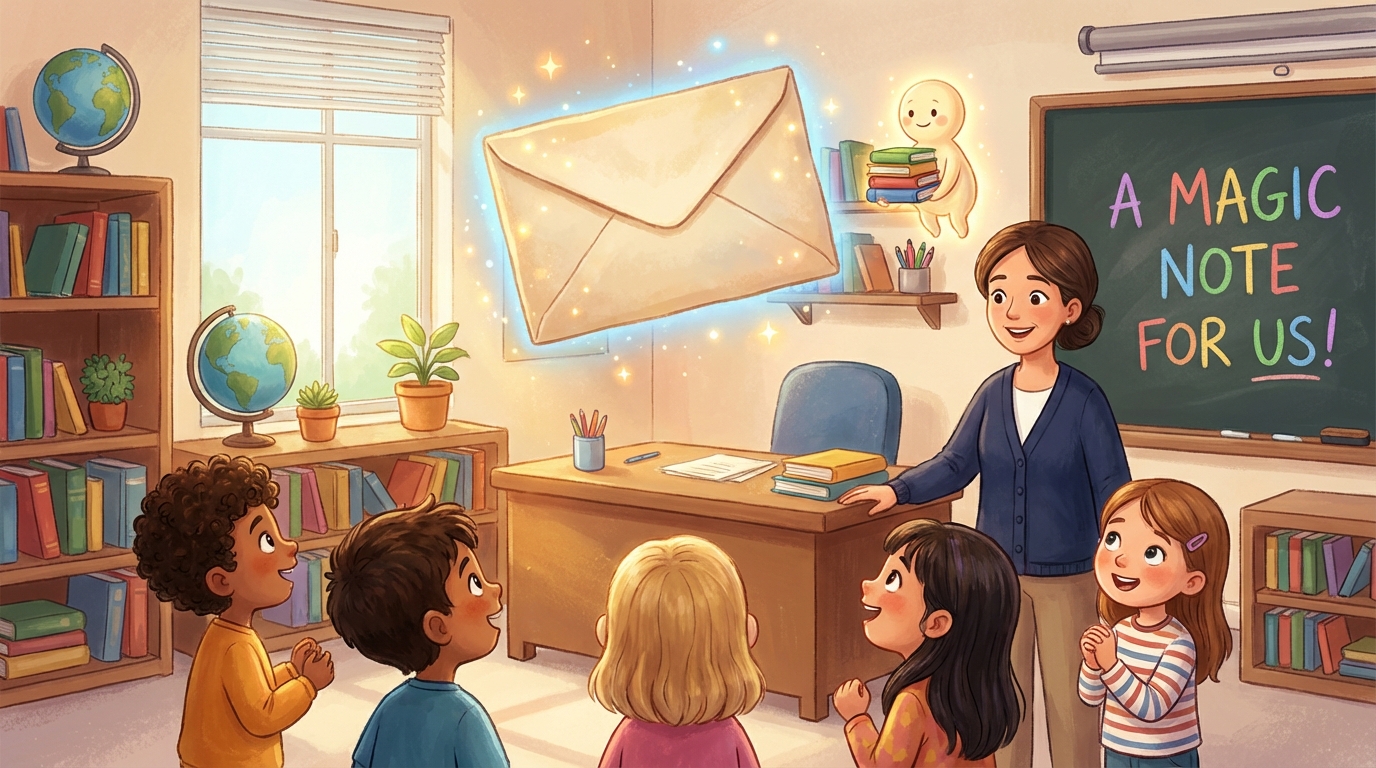
The delivery is as important as the content. Many teachers use a "Magical Mailbox" decorated with glitter and old stamps. When a letter arrives, it's a classroom event. You might use a specific chime or song to announce that the mail has been delivered. This ritual signals to the students that their hard work is being seen by the wider (magical) world.
Measuring Success: What to Track and How to Adjust Your Approach
As an educator, you need to know your interventions are working. Track qualitative and quantitative data to refine your approach. According to International Literacy Association guidelines, engagement is a key predictor of long-term achievement.
Look for these indicators:
- Voluntary Reading: Are students reaching for books during "free choice" time?
- Library Circulation: Is your classroom library seeing more traffic?
- Student Sentiment: Use simple surveys. Ask, "How did you feel when you got your letter?"
If engagement drops after a few months, it’s time to switch characters. If the letters feel too easy, increase the complexity of the "challenges" the characters set for the students. By treating your reading program as a living narrative, you ensure that the magic never wears off.
Frequently Asked Questions
- How often should I send reading incentive letters to maintain student engagement?
- The sweet spot is every 3-4 weeks, or 8-10 letters throughout the school year. This frequency maintains anticipation without diminishing the special nature of receiving magical mail. Time letters to coincide with reading milestones, seasonal changes, or mid-challenge encouragement points rather than arbitrary dates.
- What if students don't believe in magical characters anymore—will reading incentive letters still work?
- Absolutely! Even students who've outgrown literal belief still enjoy the narrative and personalization. For older elementary students (4th-5th grade), position letters as 'special messages from our class reading champion' or use mascot characters they've helped create. The power comes from personalized recognition, not magical belief.
- Can I use reading incentive letters for students at different reading levels in the same classroom?
- Yes, and you should! The key is personalizing the reading goals mentioned in each letter to match individual student levels. A struggling reader might receive praise for completing 3 picture books while an advanced reader gets recognition for a chapter book series—same character, same delivery day, but customized achievements that make each student feel seen.
- How do I collect enough personal details about each student's reading to make letters feel authentic?
- Create a simple weekly tracking routine: dedicate 5 minutes during Friday reading time for students to write down their favorite book from the week or share one accomplishment. Keep a class spreadsheet or use reading logs you already have. You don't need every detail—even one specific book title or reading milestone per letter creates authentic personalization.
Ready to transform your classroom? Start your journey with the The Magic Letter Box Classroom Edition and watch your students fall in love with reading all over again.
Turn this idea into printable classroom letters
Written by The Magic Letter Box
Creating magical moments for families through personalized letters and thoughtful parenting resources.