Create Magical Dr Seuss Day Letters from the Cat in the Hat for Your Class

Every March, classrooms across the country transform into whimsical worlds of red and white stripes, rhyming couplets, and green eggs. Dr. Seuss Day (Read Across America Day) is a cornerstone of the primary school calendar, but for many teachers, the challenge is moving beyond simple coloring sheets and hats made of construction paper. How do we turn a one-day celebration into a lifelong love of reading?
The answer lies in personalization. Imagine the look on a student's face when they receive a sealed envelope addressed specifically to them, containing a letter from none other than the Cat in the Hat himself. By positioning the Cat as a personal reading coach, you can transform a fun afternoon into a powerful literacy motivation tool that resonates long after the decorations come down.
Create Classroom Magic in Minutes
Teachers love The Magic Letter Box Classroom Edition! Upload your roster, choose a template, and generate personalized letters for your entire class at once. 10 free trial letters, then just $25/year for unlimited letters for up to 35 students!
Table of Contents
- Why Dr. Seuss Day Letters Work Magic
- What to Include for Maximum Impact
- Creating Letters Without the Overwhelm
- Extending the Magic Year-Round
- Real Teacher Success Stories
- Your Dr. Seuss Day Action Plan
- Frequently Asked Questions
Why Dr. Seuss Day Letters from the Cat in the Hat Work Magic in Classrooms
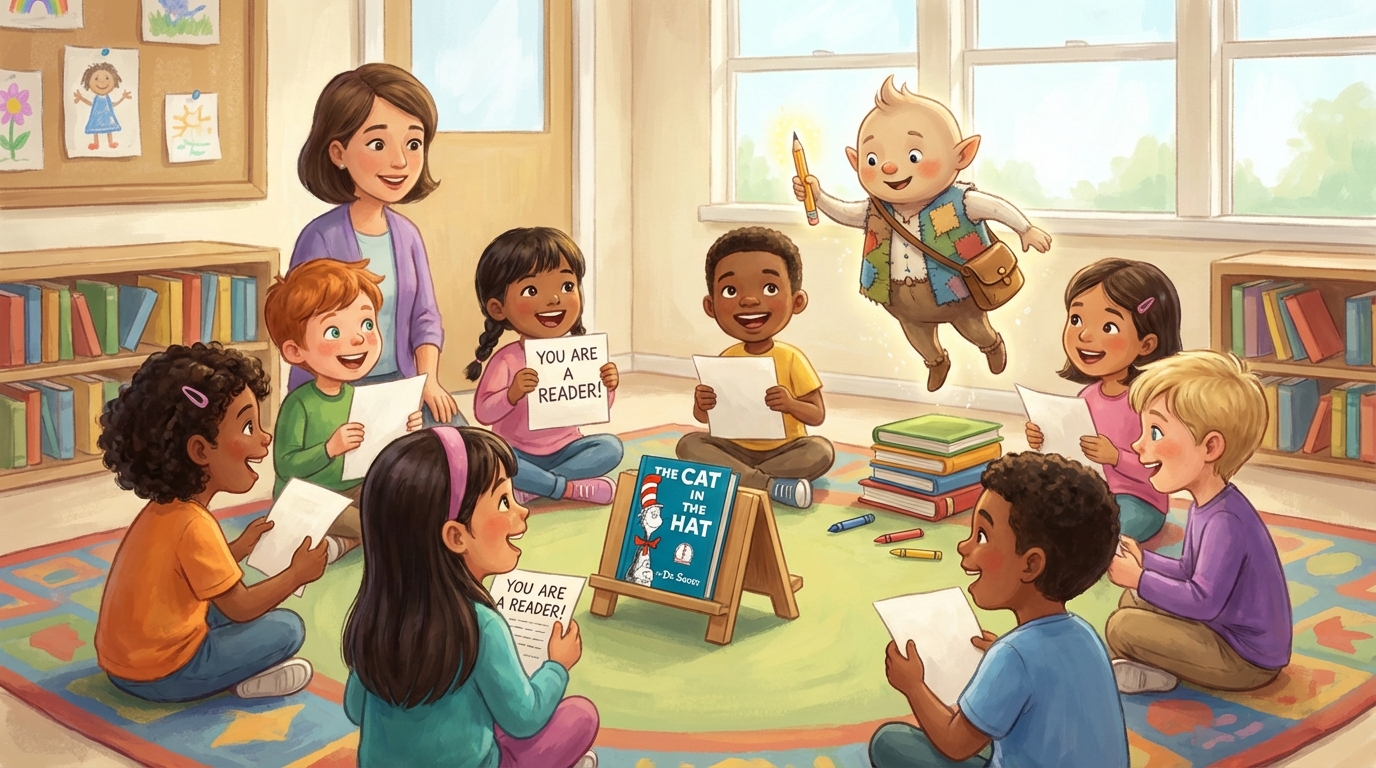
The psychological impact of receiving mail is profound for a young child. In a digital world, a physical letter feels like a treasure. When that letter comes from a beloved character like the Cat in the Hat, it validates the student's identity as a reader. Research on character-based motivation in literacy development suggests that when children feel a personal connection to a literary figure, their intrinsic motivation to engage with texts increases significantly.
The Cat in the Hat is the ideal messenger for this mission. Unlike a stern librarian or a grading teacher, the Cat is playful, non-judgmental, and celebrates mistakes as part of the learning adventure. He represents the "fun" side of literacy that Reading Rockets often highlights as essential for early childhood development. For a struggling reader, a message from the Cat saying, "I saw you trying those tricky words today!" can be more validating than a gold star on a worksheet.
Consider the case of a second-grade teacher who noticed a student, Leo, who rarely picked up a book during independent reading time. After receiving a letter from the Cat mentioning how much he loved Leo’s curiosity during science, Leo carried that letter in his pocket for three weeks. The letter didn't just praise his reading; it recognized him. This sense of being "seen" by a fictional hero often leads to a surge in book circulation. In many classrooms, the library checkout rates for Dr. Seuss titles triple in the days following a letter distribution.
What to Include in Your Cat in the Hat Letters for Maximum Impact
To make the magic stick, the letter needs to feel authentic. A generic "Dear Student, Keep Reading!" won't cut it. You need the Seussian "voice"—a mix of whimsy, rhyme, and genuine encouragement. Similar to using a personalized student letter from a class mascot, the key is specificity.
Essential Elements
- A Personal Greeting: Use the student's name (and perhaps a silly nickname if you have one in class).
- Specific Acknowledgement: Mention a recent book they finished or a reading goal they met.
- Whimsical References: Mention Thing 1 and Thing 2 causing chaos, or the Fish being worried about the mess.
- Age-Appropriate Language: For K-1, keep it heavy on simple rhymes. For 4-5, focus more on the "adventure" and growth mindset of reading.
For example, a letter to a first grader might open with: "I looked through the window and what did I see? I saw [Name] reading as fast as can be!" Meanwhile, a letter to a fourth grader might say: "I heard from a bird (a very small one, indeed) that you've been tackling chapters with incredible speed!"
Creating Dr Seuss Day Letters for Your Entire Class (Without the Overwhelm)
As a teacher, your most precious resource is time. Writing 25 to 30 unique, rhyming letters by hand is a recipe for burnout. This is where strategic automation becomes a lifesaver. By using bulk letter generation strategies, you can maintain the magic without the midnight oil.
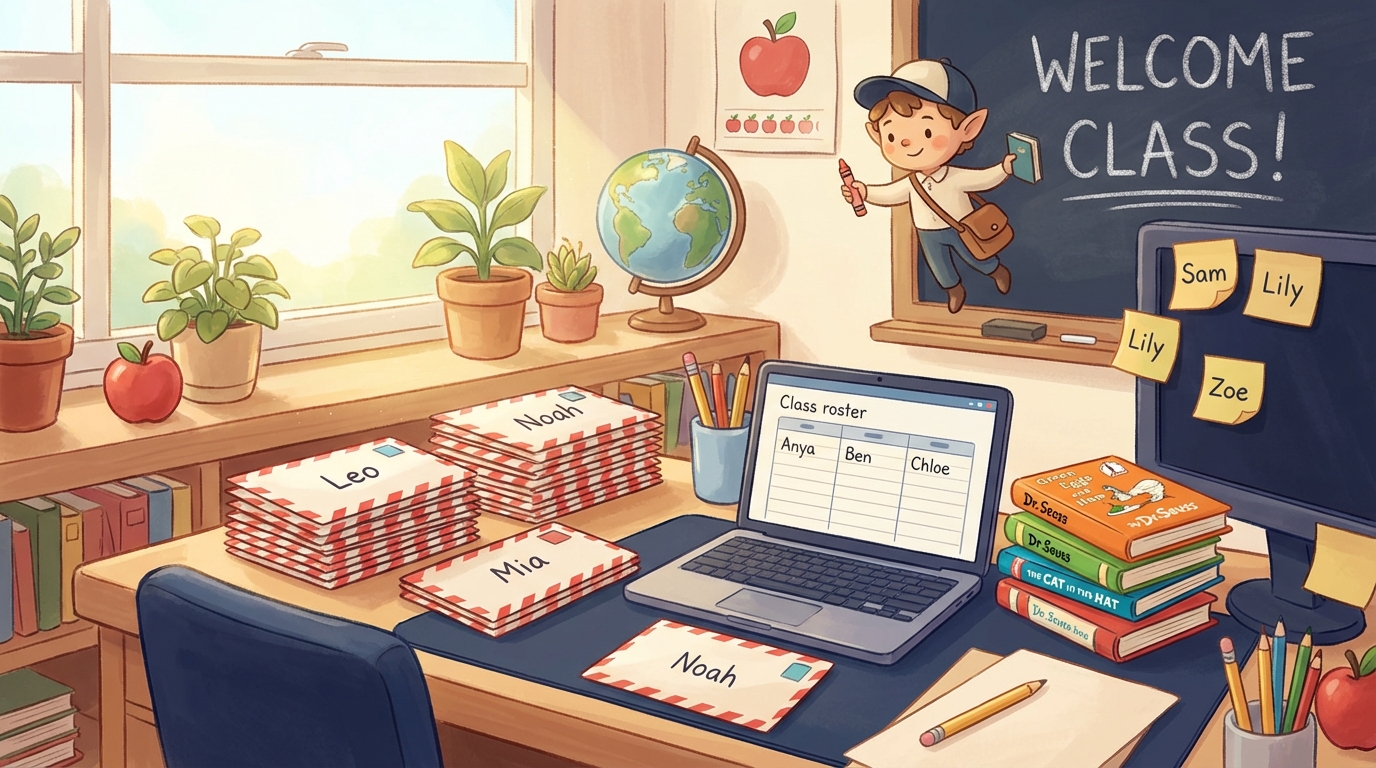
The most efficient workflow involves using student data you already have. A simple CSV file with three columns—Student Name, Recent Achievement, and Favorite Book—can be imported into a tool like The Magic Letter Box. This allows you to generate 30+ unique letters in under 20 minutes.
When it comes to distribution, timing is everything. While it’s tempting to put them on desks first thing in the morning, this often leads to a chaotic start to the day. Instead, try a "Special Delivery" moment mid-morning. This allows you to build anticipation and ensures the class opens them together, creating a shared community moment of joy.
Extending the Magic: From Dr. Seuss Day Letter to Year-Round Reading Motivation
Don't let the excitement fade when the Cat's hat is put back in the closet. Use the Dr. Seuss Day letter as a launchpad for reading incentive programs that last all year. Once the students believe the Cat is watching their progress, you can send "check-in" notes when they hit major milestones, such as moving up a reading level or completing a monthly reading log.
You can also use these letters to bridge the gap between school and home. Send a template home to parents asking them to share one "Reading Win" their child had at home. When the Cat mentions that win in his next letter, the student realizes that reading matters everywhere—not just at school. This strategy aligns with the goals of the National Education Association's Read Across America initiative, which emphasizes year-round literacy engagement.
Real Teacher Success Stories: Dr. Seuss Day Letters in Action
In a kindergarten classroom in Ohio, a teacher used personalized letters to reach her most reluctant readers. She noted that after the letters were delivered, three students who previously avoided the library corner spent the entire afternoon "reading" to each other, trying to find the things the Cat mentioned in his notes. The letters turned books from "work" into a "secret mission."
In a third-grade special education setting, a teacher used the letters to differentiate encouragement. For students working on decoding, the Cat praised their "detective skills." For those working on fluency, he praised their "smooth-as-butter storytelling." The result? A measurable increase in library checkout rates and a significant boost in student confidence. These letters often become treasured keepsakes, tucked into memory boxes or taped to bedroom walls for years.
Your Dr. Seuss Day Letter Action Plan
Ready to bring the Cat to your classroom? Follow this simple timeline:
- 2 Weeks Before: Gather your student data. Note one specific reading "win" for each child.
- 1 Week Before: Use The Magic Letter Box to generate and print your letters. Place them in red and white striped envelopes.
- The Day Of: Build the hype! Tell the students you heard a strange thumping in the hallway or saw a tall, striped hat go past the window.
- The Delivery: Distribute the letters mid-morning. Have a Seuss-themed snack ready while they read and share their messages.
If you're looking for more ways to keep the classroom magic alive, check out our guides on classroom elf letter ideas or preparing for spring with a leprechaun letter for classroom parties.
Frequently Asked Questions
How do I create personalized Cat in the Hat letters for my entire class without spending hours?
Use a bulk letter generation tool that imports your class roster via CSV file. Include 2-3 personalization fields (student name, recent reading achievement, favorite book) and the platform creates individualized letters in minutes. The Magic Letter Box Classroom Edition allows teachers to generate up to 35 personalized letters simultaneously while maintaining authentic, unique content for each student.
What should a Cat in the Hat letter say to motivate reluctant readers?
Focus on effort rather than achievement, use playful Seussian language, and include specific encouragement about something they've already accomplished. For example, acknowledge that they tried a new book, listened to a story, or helped a classmate. The Cat in the Hat's personality celebrates trying new things and making mistakes, which resonates with struggling readers who may feel reading pressure.
When should I distribute Dr. Seuss Day letters to my students?
Distribute letters mid-morning on Dr. Seuss Day or the day before for maximum impact. This timing allows you to build anticipation, ensures all students receive letters simultaneously, and gives you the rest of the day to leverage their excitement with Dr. Seuss read-alouds and activities. Avoid first-thing distribution which can create chaos during morning routines.
Can I use Cat in the Hat letters for students who aren't familiar with Dr. Seuss?
Absolutely—the letter itself becomes an introduction to the character. Include a brief mention in the letter like "You might not know me yet, but I'm the Cat in the Hat, and I LOVE reading adventures!" Then follow up by reading The Cat in the Hat to your class. Students quickly connect the letter to the character, making the experience even more magical.
How can I make Dr. Seuss Day letters feel authentic to young students?
Use playful, rhyming language (even imperfect rhymes feel Seussian), reference specific Dr. Seuss books, and present letters in decorated envelopes with whimsical stamps or stickers. Include small details like red and white stripes on the envelope or a Thing 1 and Thing 2 doodle. The presentation matters as much as the content for creating belief and excitement.
Ready to start? Visit The Magic Letter Box Classroom Edition to create your first batch of letters today!
Written by The Magic Letter Box
Creating magical moments for families through personalized letters and thoughtful parenting resources.