Tooth Fairy Letter for Skeptical Child: Restore the Magic
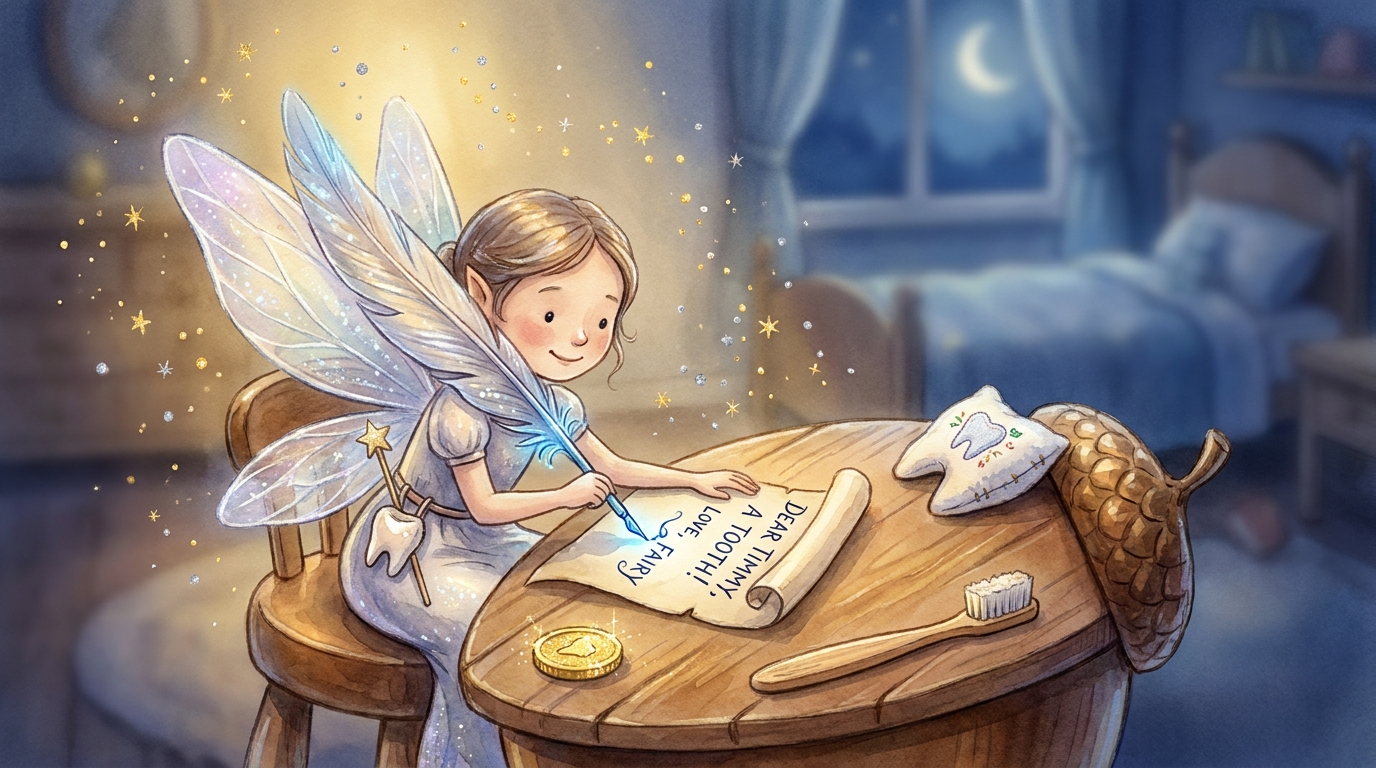
There is a specific, bittersweet moment in every parent's journey when the wide-eyed wonder of early childhood begins to sharpen into logical inquiry. You reach under a pillow to swap a tooth for a coin, only to find a note that feels more like a cross-examination than a greeting. "How do you fit through the window?" or "Why is your handwriting just like Mom's?"
When your child starts questioning the Tooth Fairy, it isn't a sign that the magic is over—it's a sign that their brain is growing. This transition, while challenging, offers a unique opportunity to use personalized storytelling to extend the wonder of childhood just a little bit longer. A well-crafted, detail-rich letter can bridge the gap between skepticism and belief, respecting your child's intelligence while keeping the magic alive.
Table of Contents
Create Classroom Magic in Minutes
Teachers love The Magic Letter Box Classroom Edition! Upload your roster, choose a template, and generate personalized letters for your entire class at once. 10 free trial letters, then just $25/year for unlimited letters for up to 35 students!
Why Children Start Doubting the Tooth Fairy (And Why It Matters)
Skepticism typically emerges between the ages of 6 and 8. According to developmental psychologists like Jean Piaget, this is the "concrete operational stage." Children are moving away from magical thinking and toward logical, organized thought processes. They are beginning to understand the laws of physics, time, and probability—all of which make the idea of a tiny winged creature visiting millions of homes in one night a difficult pill to swallow.
Common triggers for this doubt include:
- Peer Conversations: An older sibling or a friend at school may bluntly state, "My mom is the Tooth Fairy."
- Handwriting Recognition: If you've been jotting quick notes on post-its, your child might notice that the Fairy's "G" looks suspiciously like yours.
- Logical Inconsistencies: "How did she get in if the screen is locked?" or "Why did she miss my house but visit my cousin's?"
Handling this transition thoughtfully is vital. Dismissing their questions can make them feel unheard, but confirming the truth too early can strip away a layer of childhood protection they aren't quite ready to lose. A strategic letter can often extend this period of wonder for another 6 to 18 months, allowing them to enjoy the ritual while their analytical mind continues to develop.
What Makes a Tooth Fairy Letter Convincing to a Skeptical Child
To a skeptic, generic praise is a red flag. If the letter says, "Great job brushing!" but doesn't mention the new blue toothbrush they got last week, the child knows the "source" isn't actually watching. Personalization is the antidote to doubt.
Use "Insider Knowledge": The most convincing letters include details only someone physically present in the room could know. Instead of saying the room looks nice, say, "I had to be very careful not to trip over that LEGO castle you built by the closet!" Mention the specific book on their nightstand or the way their dog, Barnaby, was snoring at the foot of the bed.
Adjust the Tone: For an older, skeptical child, avoid overly "cutesy" language. They want to be treated like the smart, observant individuals they are. Use a tone that is warm but professional—almost like a high-level magical official. Acknowledge their questions directly. If they've been asking how you fly so fast, explain it through "Fairy Time" or "stardust propulsion."
How to Write a Tooth Fairy Letter That Addresses Skepticism
When drafting the letter, follow a structure that validates their intelligence without breaking the fourth wall. For more general advice on milestone teeth, you might look at our guide for the first lost tooth, but for the skeptic, the approach must be more nuanced.
The Opening: Acknowledge the Growing Mind
Start by praising their curiosity. "Dear [Name], I understand you've been thinking very carefully about how my world works. I've always admired children with such sharp, observant minds!" This frames their doubt as a strength rather than a mistake.
The Middle: Provide the "Evidence"
This is where you weave in those specific observations. "I noticed you've been using that electric toothbrush the American Dental Association recommends—it certainly makes my job easier when the enamel is this polished!" Mentioning a specific dental habit makes the letter feel authoritative. If they've had a unique situation, like a swallowed tooth, address the logistics of how you located it magically.
Addressing the Logistics
If they've asked how you visit everyone, try this: "Many children wonder about time. In the Fairy Realm, time moves much slower. What feels like one second to you feels like an hour to me. That gives me plenty of time to visit every pillow!"
Strategic Delivery: Making the Letter Believable
The physical presentation of the letter is just as important as the words. If it arrives on standard printer paper in a standard envelope, the skeptic will recognize the household supplies. To keep the magic alive, consider these tactics:
- The Stationery: Use parchment-style paper, vellum, or paper with a subtle shimmer. You can even tea-stain paper to make it look ancient and "otherworldly."
- The Font/Handwriting: Use a tiny, 6pt script font and print it, or use your non-dominant hand to write. This prevents the "That's Mom's handwriting" realization.
- The "Fairy Dust": A tiny pinch of ultra-fine iridescent glitter inside the envelope creates a sensory experience that feels magical.
- Placement: Don't just put it under the pillow. Place it on a high bookshelf, a windowsill, or tucked inside the pages of their favorite book. This suggests the Fairy spent time in the room.
Common Mistakes That Increase Skepticism
Even the most well-intentioned parents can accidentally leave "clues" that break the illusion. To maintain the magic, avoid these common pitfalls:
- Recognizable Supplies: Using the same pens you use to sign school permission slips or the same glitter from a recent school project.
- Over-Explaining: If a child asks a question, a short, mysterious answer is better than a long, defensive one. The more details you invent on the fly, the more logical holes they can find.
- Inconsistency: If the Tooth Fairy was "too busy" to visit one night but left a 3-page letter the next, the inconsistency raises red flags. Keep the "lore" of your house consistent. You can learn more about global traditions to add depth to your family's specific lore.
- Generic Content: A letter that could be sent to any child will be spotted as a fake by a skeptical 8-year-old. Reference their specific life events.
When to Transition: Reading the Signs
Eventually, every child is ready to know the truth. It's important to differentiate between a child who is "testing" the magic (hoping to be proven wrong) and a child who is genuinely ready to move on. If your child is distressed by the "lie" or if their skepticism is turning into frustration, it may be time for the "Keeper of the Magic" conversation.
Instead of a cold reveal, frame it as a promotion. "You've grown so observant and smart that you've figured out the secret! Now, you get to join the adults as a Keeper of the Magic." This allows them to help create the magic for younger siblings or cousins, turning a loss of belief into a gain of responsibility. You might even leave one final "graduation" letter that thanks them for their years of belief and welcomes them to the next stage of childhood.
Whether you are dealing with a multiple tooth loss or just a very curious second-grader, remember that the goal isn't to deceive—it's to delight. By using personalized letters, you are telling your child that their milestones are worth a little extra effort and a lot of imagination.
Frequently Asked Questions
Consider responding with gentle redirection: "What do you think?" or "The Tooth Fairy magic works differently for every family." If they persist, you might say, "I help make sure the Tooth Fairy knows when you lose a tooth." This is honest while leaving room for imagination and transitions naturally if they're truly ready to know. For more tips on child development and oral health, visit HealthyChildren.org.
Very personalized—include at least 2-3 specific details only someone who visited would know: the book on their nightstand, how they arranged their stuffed animals, that their nightlight was on, or that the family pet was nearby. Generic letters increase skepticism, while specific observations create believable "evidence" of a real visit.
This is the perfect time for a strategic reset. Use a completely different method: type and print in an unusual font (try 8pt calligraphy style), use your non-dominant hand, or have a friend write it. In the letter itself, you can address this directly: "I heard you had questions about my previous letters—I've been trying different writing methods to fit through your mail slot!"
There's no magic age—follow your child's lead. Most children naturally transition between 7-9 years old. Watch for signs they're truly ready (stating they know vs asking questions) versus just testing. When they're ready, consider a final "graduation" letter that honors their growth and invites them to help keep magic alive for younger children.
Yes, when done thoughtfully. A letter with specific, insider details can extend belief for 6-18 months by giving children "evidence" that satisfies their emerging logical thinking. The key is personalization—generic letters backfire with skeptical children, but letters that demonstrate real knowledge of their life can restore wonder authentically.
Ready to restore the magic? Start crafting your personalized letter today at The Magic Letter Box. Teachers, don't forget you can also bring this wonder to your students with our Classroom Edition!
Written by The Magic Letter Box
Creating magical moments for families through personalized letters and thoughtful parenting resources.