How to Create Family Letter Traditions That Last Through Childhood
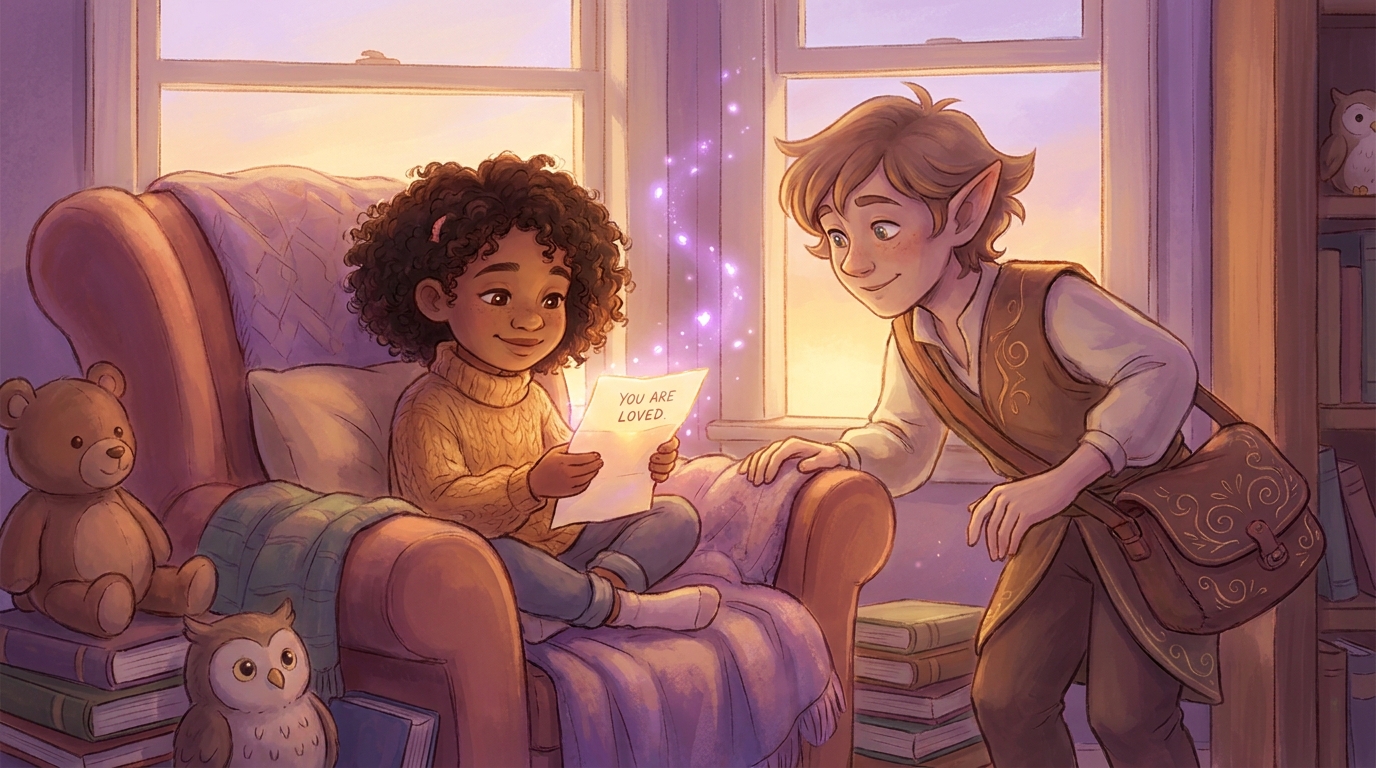
In an era of fleeting digital messages and disappearing social media stories, there is a profound, quiet power in the physical letter. For a child, finding a personalized note from a magical character tucked under a pillow or waiting on the doorknob isn't just a fun surprise—it is the construction of a world where they are seen, celebrated, and deeply loved. These letters become the threads that weave through the tapestry of childhood, creating a sense of continuity that children carry into adulthood.
Create Classroom Magic in Minutes
Teachers love The Magic Letter Box Classroom Edition! Upload your roster, choose a template, and generate personalized letters for your entire class at once. 10 free trial letters, then just $25/year for unlimited letters for up to 35 students!
Why Letter Traditions Become Family Heirlooms
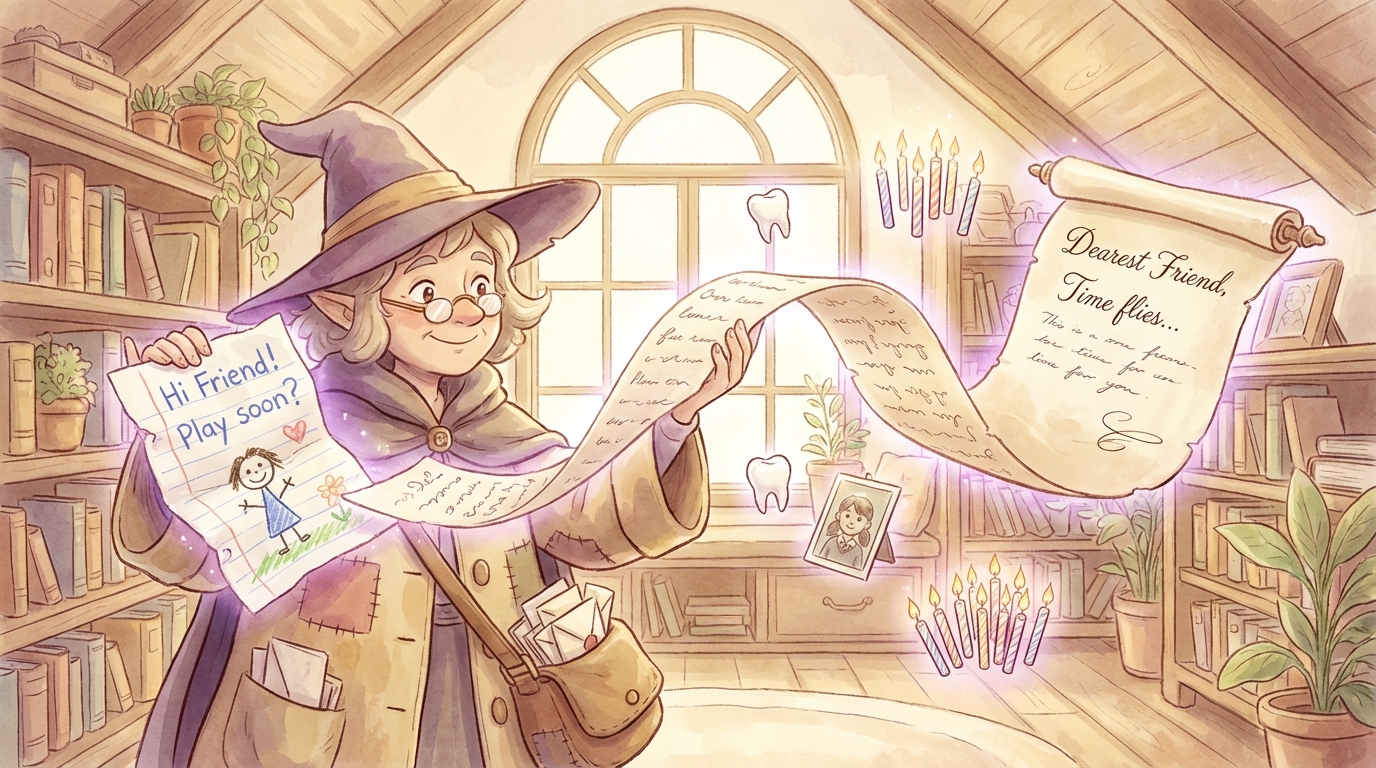
The psychology of anticipation plays a vital role in childhood development. When a child knows that a specific event—like a lost tooth or a birthday—will result in a communication from a magical friend, it creates a healthy ritual. These rituals provide a sense of security and a framework for understanding the world. According to research on building strong family bonds through traditions, consistent family practices foster a sense of belonging and identity that protects children during times of stress.
Unlike a digital interaction, a physical letter is a tangible memory anchor. It has a weight, a texture, and often a specific scent of "magic" (perhaps a hint of peppermint or a dusting of glitter). These sensory details are critical for long-term memory formation. One adult daughter recently shared that she kept every single Tooth Fairy letter she received; today, she reads those same letters to her own children, bridging three generations through a simple slip of paper.
The true magic lies in the evolution of the content. One family’s Santa letters began as simple lists of toys but evolved over a decade to include words of encouragement during difficult middle school years. When the "magic" of belief eventually fades, the sentiment remains. Re-reading these letters during adolescence allows a teenager to see a record of their parents' attention to their growth, even if the letter was signed by a North Pole resident.
The Four Pillars of Lasting Letter Traditions
To ensure a tradition survives the chaos of daily life, it must be built on a solid framework. Here are the four pillars of tradition resilience:
1. Consistency
Consistency doesn't mean perfection; it means reliability. Your child should be able to anticipate the letter's arrival. If the Birthday Fairy always writes on the eve of the big day, that timing becomes part of the magic. Establishing these creative family traditions early helps set the stage for years of wonder.
2. Personalization
The hallmark of a Magic Letter Box experience is the specific detail. A letter that mentions a child’s recent success in a soccer game, their kindness to a sibling, or even a struggle they’ve overcome with math homework proves that the magical character is truly "watching" and invested in their life.
3. Evolution
A tradition that stays static will eventually be outgrown. A Tooth Fairy tradition that starts with simple congratulations at age five should evolve to acknowledge the courage it took to visit the dentist by age eight. As the child matures, the vocabulary and themes of the letters must mature with them.
4. Preservation
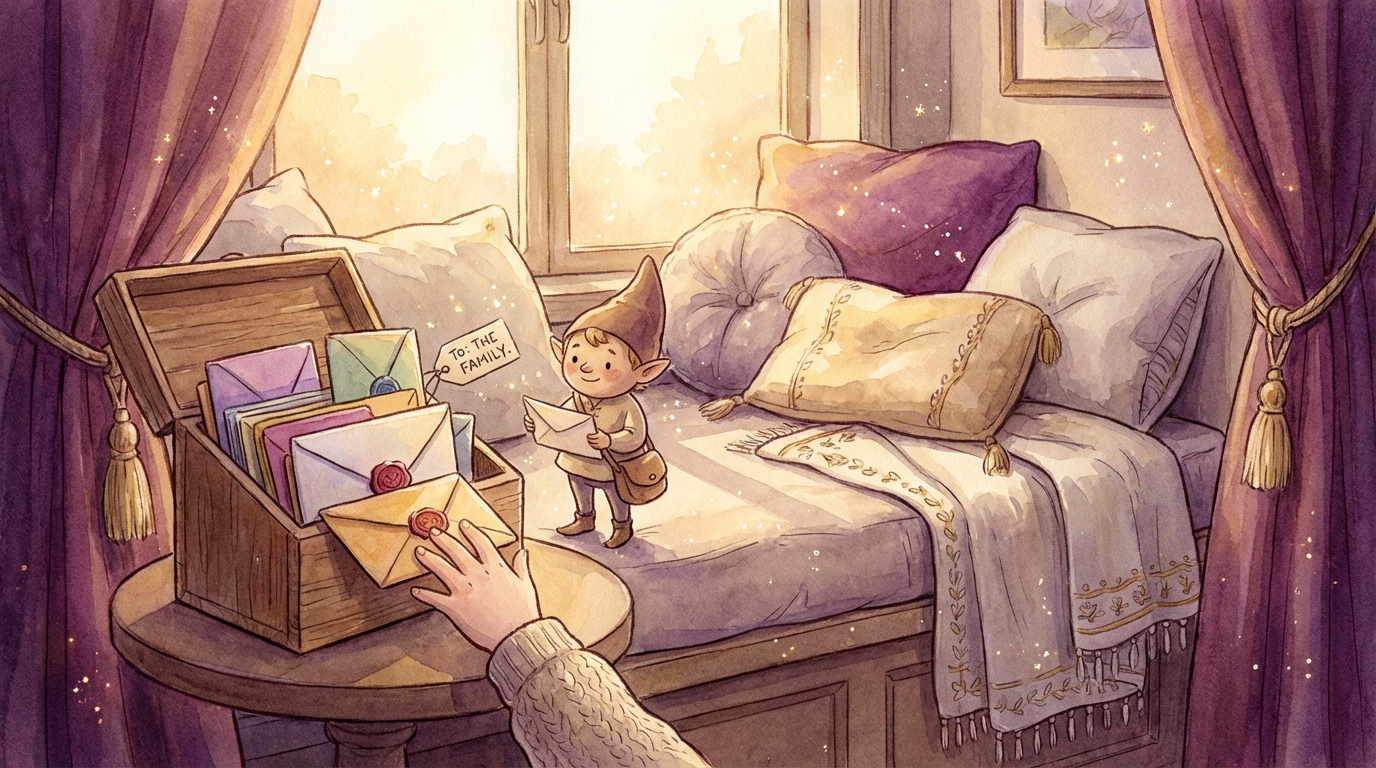
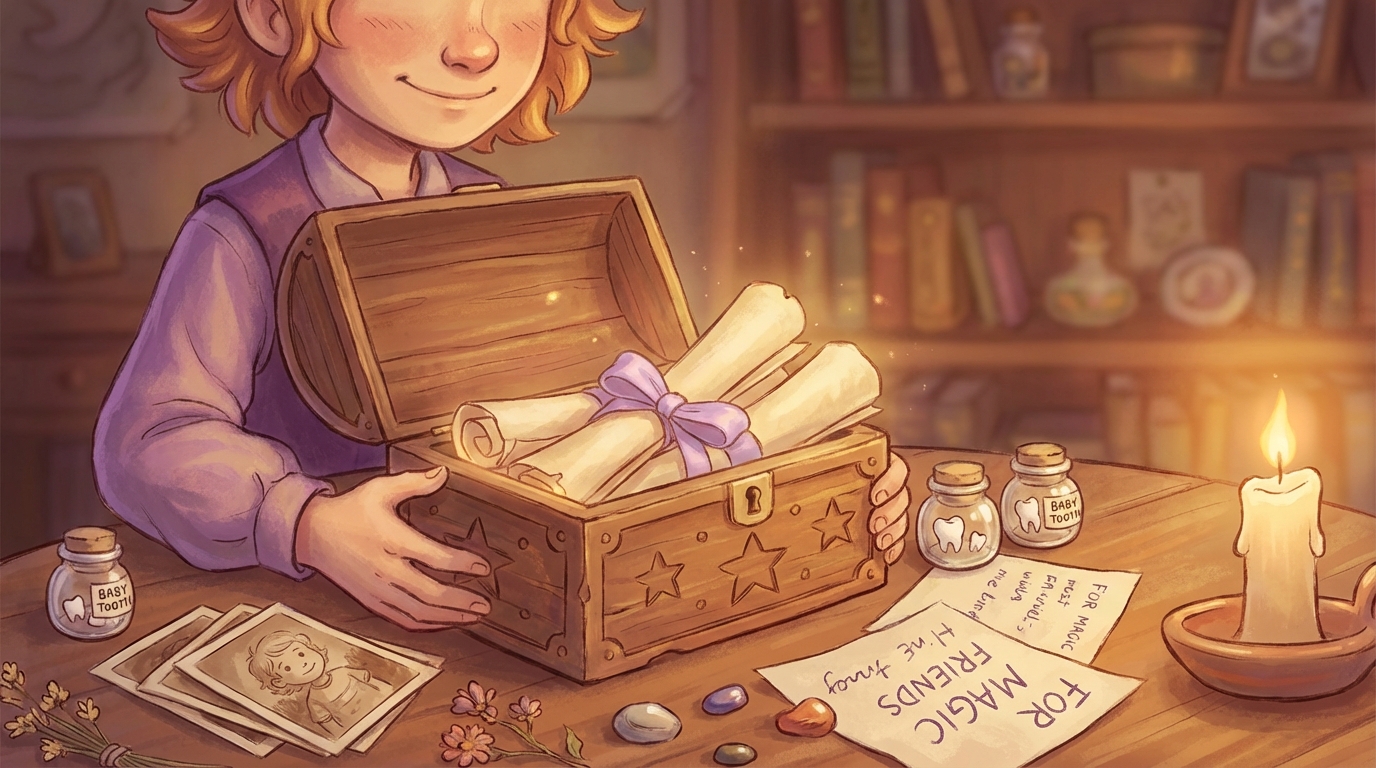
A letter left to flutter away in the wind is a missed opportunity for a legacy. Create a system for saving these notes. Whether it’s a decorated wooden box or a dedicated scrapbook, involving the child in the preservation process teaches them to value their own history.
Strategic Character Rotation: Building Your Calendar
One of the biggest mistakes parents make is trying to do too much at once. To avoid burnout, map out a character calendar that spaces out the magic throughout the year. A balanced annual calendar might look like this:
- Tooth Fairy: As needed (The "unpredictable" magic).
- Birthday Character: Once a year (The "personal growth" magic).
- Easter Bunny: Springtime (The "renewal" magic). You can find inspiration in how to create magical letters from the Easter Bunny.
- Holiday Elf or Santa: December (The "wonder" magic).
Some families even introduce custom characters, like a "First Day of School Fairy" who leaves a note of bravery under the pillow the night before classes begin. The key is to maintain a consistent "personality" for these characters. If Santa is jolly and slightly forgetful, keep that trait every year. If the Easter Bunny is poetic, use rhymes. This consistency builds a narrative world that feels real to the child.
Writing Letters That Grow With Your Child
As children move through developmental stages, their needs change. HealthyChildren.org notes that children's cognitive abilities and emotional needs shift significantly between the ages of 3 and 12. Your letters should reflect this:
Age 3-5: The Age of Wonder
Keep vocabulary simple and focus on the sensory experience. Use bright colors and mention basic achievements like sleeping in a "big kid bed" or helping pick up toys. The focus here is on the sheer impossibility and delight of the letter’s arrival.
Age 6-8: The Age of Achievement
This is the prime time for letters. Children are learning to read, making the physical letter even more exciting. Incorporate milestones like reading their first book or making a new friend. At this stage, you can start referencing previous letters to create a sense of history.
Age 9-11: The Age of Character
As children begin to navigate social complexities, letters can address challenges like sibling dynamics or school struggles. The "magic" starts to become a vehicle for reinforcing family values and building self-esteem during the transition to middle school.
Age 12+: The Age of Nostalgia
Even when a child "knows," the tradition doesn't have to end. It transforms into a sentimental ritual. A letter from Santa at age 14 might acknowledge that while the world is changing, the spirit of giving and the love of the family remain constant.
Overcoming the Biggest Tradition Killers
The number one killer of family traditions is parental burnout. When we set the bar at "Pinterest-perfect," we set ourselves up for failure. If you miss an occasion, don't scrap the tradition out of guilt. Instead, use a "recovery strategy." A letter from the Tooth Fairy that arrives two days late can simply explain that there was a "flutter-wing traffic jam" over the mountains. Children are remarkably forgiving.
Managing multiple children can also be daunting. To save time, focus on high-impact personalization rather than length. A four-sentence letter that mentions a specific event in a child's week is more meaningful than a two-page generic essay. Using tools like The Magic Letter Box allows you to maintain this high-quality personalization without spending hours at the kitchen table at midnight.
Preserving and Celebrating Your Letter Legacy
The final step in creating a lasting tradition is the preservation of the letters themselves. Consider creating an annual "Letter Review" every New Year’s Eve, where the family gathers to read the notes received throughout the year. This reinforces the memories and gives the child a chance to reflect on how much they’ve grown.
Many parents choose to scan these letters into a digital album, pairing them with photos from that age. This ensures that even if a physical box is lost, the legacy remains. Imagine the impact of presenting a complete collection of these letters as a high school graduation or wedding gift. It is a tangible record of a childhood filled with magic, attention, and love.
Frequently Asked Questions
How do I start a letter tradition if my child is already past the 'magical belief' stage?
You can introduce letter traditions at any age by framing them as family customs rather than literal magic. Older children often appreciate the ritual and sentiment even when they understand the source. Start with a character tied to an upcoming milestone and focus on personalized encouragement rather than fantasy elements.
What's the minimum frequency needed to establish a real tradition?
Consistency matters more than frequency. Even 3-4 letters per year from predictable occasions (birthday, major holiday, tooth loss) can establish a strong tradition if delivered reliably. The key is creating anticipation—children should know these letters are coming and look forward to them.
How can I maintain letter traditions with multiple children without spending hours writing?
Focus on personalization in key details rather than length. A shorter letter with specific references to each child's unique experiences feels more special than a long generic one. Consider characters that can write 'group letters' for shared celebrations while maintaining individual birthday or achievement letters.
Should I tell my co-parent or partner about using an AI tool for magical letters?
Transparency with co-parents helps maintain consistency and prevents accidental tradition breaks. Most partners appreciate tools that reduce stress while preserving quality. The magic for children comes from the personalized content and reliable delivery, not from parents hand-writing every word.
What do I do if I completely forget an expected letter occasion?
Deliver it late with a playful excuse built into the character's story (the Tooth Fairy had an unusually busy night, Santa's mail got delayed in the North Pole). Children are remarkably forgiving of occasional delays, and addressing it within the magical narrative preserves the tradition better than pretending it didn't happen.
Building a letter tradition is one of the most enduring gifts you can give your child. It requires a bit of planning and a lot of heart, but the payoff is a lifetime of memories. For those looking to bring this magic into the classroom, be sure to check out The Magic Letter Box Classroom Edition to inspire an entire group of young learners.
Written by The Magic Letter Box
Creating magical moments for families through personalized letters and thoughtful parenting resources.