How to Keep Magic Alive for Older Children Without Losing Their Trust
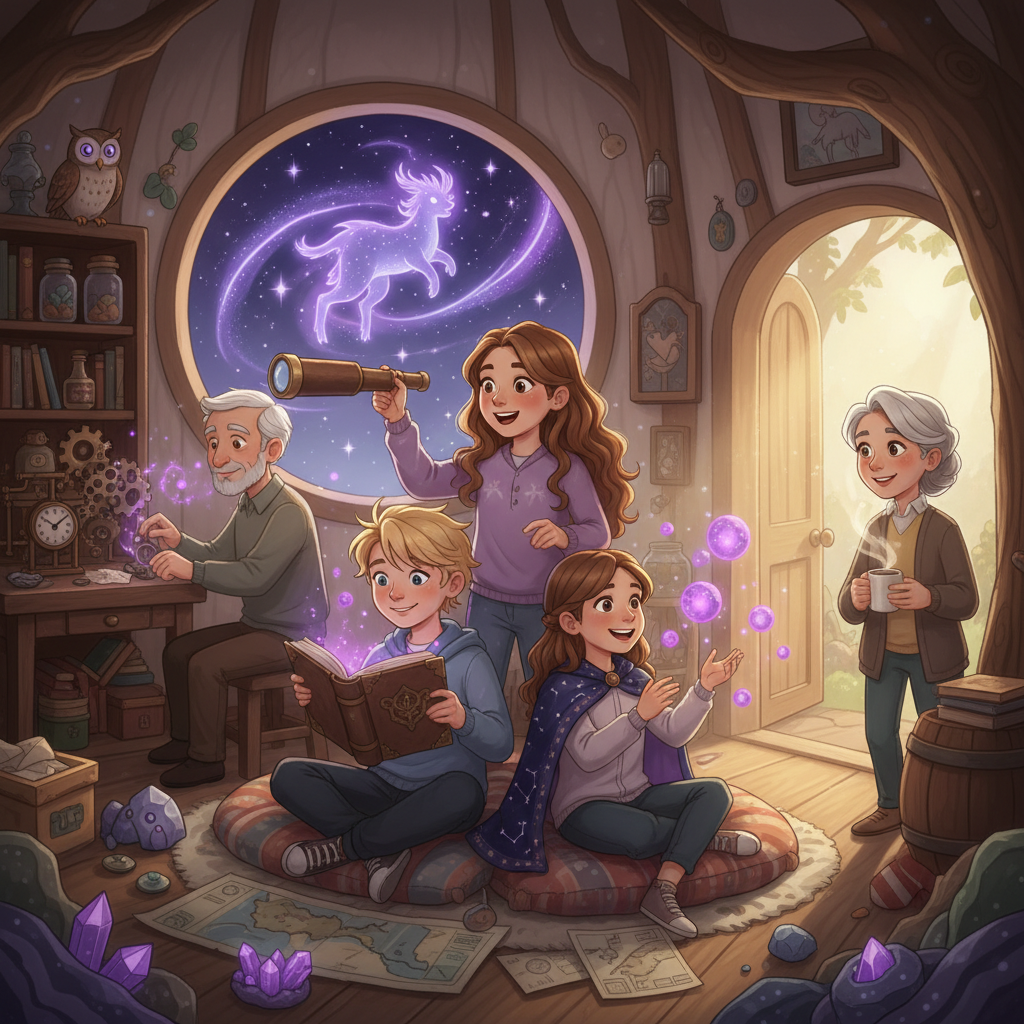
There is a bittersweet moment in every parent's journey when the wide-eyed wonder of early childhood begins to sharpen into the keen observation of the middle years. Between the ages of 7 and 12, the world becomes a place of logic, evidence, and peer-led investigation. For many parents, this feels like the closing of a door—a loss of the "magic" that defined their child’s younger years. However, the transition from literal belief to a deeper, more mature form of wonder doesn't have to be an end. Instead, it can be a beautiful evolution.
Table of Contents
- Understanding the Shift: When Children Start Questioning
- Strategy 1: Elevate Them to 'Magic Keeper' Status
- Strategy 2: Increase Personalization and Specificity
- Strategy 3: Shift Focus from Belief to Tradition and Wonder
- Strategy 4: Create Age-Appropriate Magical Experiences
- How Teachers Can Extend Classroom Magic Through Upper Elementary
- Frequently Asked Questions
Create Magic in Under a Minute
Don't have time for elaborate setups? The Magic Letter Box helps busy parents create personalized, enchanting letters instantly. Get 5 free letters to start, or enjoy unlimited magic for just $15/year!
Understanding the Shift: When Children Start Questioning
It usually starts with a squint. Between ages 7 and 10, children undergo a significant cognitive shift. Their brains are moving from the "magical thinking" phase of early childhood into a stage characterized by concrete operational thought. They are learning how the world works, and they take great pride in their ability to use logic to solve mysteries. According to research on the power of imagination in childhood, this development is a healthy milestone, not something to be feared or fought.
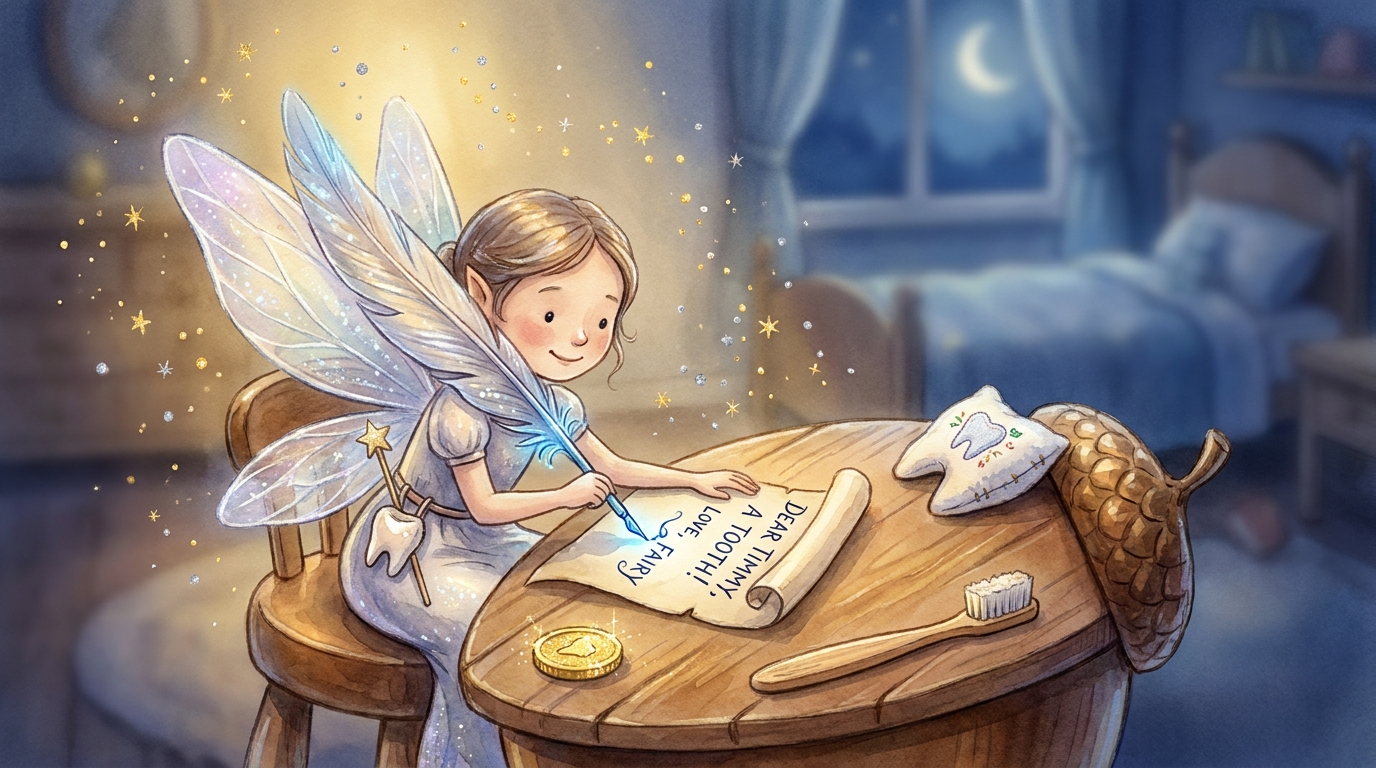
As a parent, it’s vital to distinguish between a child who is suspecting the truth and one who is demanding definitive proof. You might see "the trap"—a child who stays awake to catch the Tooth Fairy or leaves a hidden camera near the Christmas tree. These aren't acts of defiance; they are scientific experiments. If you over-defend the magic with increasingly elaborate lies, you risk creating a sense of distrust. However, if you ignore the signals entirely, you miss the opportunity to guide them into a new phase of maturity.
In the classroom, this often manifests as the "Skeptical Student" effect. One child discovers a piece of evidence—perhaps a price tag left on a "magical" gift—and shares it with the group. Teachers often feel the pressure to shut down these conversations to protect the younger students, but a more effective approach is acknowledging that as we get older, we see the world with more detail.
Strategy 1: Elevate Them to 'Magic Keeper' Status
When a child looks you in the eye and asks, "Are you the Tooth Fairy?", they are often ready for a promotion. Instead of a simple 'yes' or 'no,' try framing the transition as a special privilege. You can explain that now that they are older and wiser, they have graduated from being someone who receives magic to someone who creates it.
This "Magic Keeper" status is incredibly empowering. It shifts the dynamic from being deceived to being "in on the secret." For an 8-year-old, this might mean helping you hide creative Easter basket items for a younger sibling. For an 11-year-old, it could involve helping draft the response to a younger brother's letter to Santa.
A Script for the Transition:
"You’ve noticed a lot of things lately, haven't you? That’s because you’re growing up and getting so smart. In our family, there’s a special secret: when kids get to a certain age, they stop just receiving the magic and they start helping to make it. It’s a big responsibility. Would you like to be a Magic Keeper with me?"
Strategy 2: Increase Personalization and Specificity
Generic magic fails the logic test of an older child. If a letter from a magical character looks like a photocopied template, a 9-year-old will spot it instantly. To keep the wonder alive, you must increase the level of detail. When a letter mentions a specific book report topic, a recent win at a soccer game, or a struggle they had with a friend, it creates "evidence" that feels authentic.
Specificity serves a dual purpose: it makes the magic believable, and more importantly, it makes the child feel deeply seen. A Tooth Fairy letter that acknowledges how brave a child was during a difficult orthodontic appointment carries more emotional weight than a standard thank-you note for a tooth. This is where modern tools can bridge the gap for busy parents. Using a platform like The Magic Letter Box allows you to input these hyper-specific details, ensuring the letter feels like it truly came from someone who has been watching over the child all year.
By timing these personalized letters to arrive when a child needs encouragement most, you reinforce that the "magic" is an active, caring force in their life, regardless of who is physically holding the pen.
Strategy 3: Shift Focus from Belief to Tradition and Wonder
As children move toward their tween years, magic should be reframed as a family tradition worth preserving. This is a philosophical shift. You are teaching them that stories matter because they bring us together. Just as we celebrate holidays because of the meaning behind them, we keep magical traditions because they represent the best parts of our family identity.
According to PBS Parents, family traditions build a sense of belonging and security. When a child understands that the "magic" is a way for the family to express love, the sting of discovering the literal truth is replaced by an appreciation for the effort. You can discuss how different cultures have their own versions of these figures, turning the conversation into a global exploration of folklore and human connection.
Strategy 4: Create Age-Appropriate Magical Experiences
Magic for a 12-year-old shouldn't look the same as magic for a 4-year-old. Tween-sensibility magic incorporates humor, inside jokes, and more sophisticated themes. For example, a Leprechaun might leave a complex series of riddles and puzzles for an older student rather than just a trail of green glitter. A personalized Easter Bunny letter for an older child might acknowledge their growing maturity and helpfulness, perhaps even poking light fun at their newfound skepticism.
This is also the time to decide which characters retire and which ones evolve. While the "Elf on the Shelf" might feel too young, a "Birthday Fairy" who leaves letters about milestone achievements can remain a cherished tradition well into the teenage years. The key is to ensure the content of the communication respects their age. If the letter sounds like it was written for a toddler, the older child will check out. If it sounds like it was written for them, they will stay engaged.
How Teachers Can Extend Classroom Magic Through Upper Elementary
Teachers have a unique opportunity to use magical characters to build community. In 4th and 5th grade, students can become the "guardians" of classroom traditions. For instance, an older class might take on the role of writing mystery letters from the school mascot to the Kindergarten students. This teaches empathy, creative writing, and the joy of giving.
For their own classroom, teachers can use characters to deliver academic challenges or celebrate growth. A "Classroom Gnome" who leaves a letter praising the group's collective improvement in math makes the achievement feel like a shared victory. With tools like the Classroom Edition of The Magic Letter Box, teachers can efficiently generate these messages for up to 35 students at once, importing rosters and differentiating the tone to match the maturity of each student.
Frequently Asked Questions
Most children begin questioning between ages 7-9, with full skepticism typically developing by age 10-11. However, this varies significantly based on individual development, family culture, and whether they have younger siblings. Many children enjoy participating in the magic even after they stop literally believing.
When asked directly, consider responding with questions like 'What made you wonder about that?' or 'What do you think?' This helps you gauge their readiness and allows them to guide the conversation. If they're truly ready, you can gently confirm while immediately transitioning them to 'magic keeper' status to maintain their engagement.
Focus on magic as a family tradition and shared experience rather than literal belief. Involve older children in creating magic for younger siblings, use personalized letters that feel special regardless of their source, and emphasize that the joy and wonder are real even if the characters are imaginative. This shifts from deception to participation.
Research suggests children rarely feel betrayed when the transition is handled thoughtfully. The key is making them feel trusted and special when they learn the truth, rather than letting them discover it accidentally. Framing it as joining a tradition of magic-makers, rather than being deceived, creates positive associations with the revelation.
Yes, when age-appropriate adaptations are made. Older students can become helpers for younger classes, receive more sophisticated messages from classroom mascots, or participate in magical traditions that acknowledge their maturity. The focus shifts from belief to community-building, celebration, and maintaining joyful classroom culture.
Keeping the magic alive for older children is not about maintaining a lie; it’s about nurturing their capacity for wonder and their connection to family history. By evolving your approach, you ensure that the magic of childhood doesn't disappear—it simply grows up with them. Ready to start a new tradition? Visit The Magic Letter Box today to create your first personalized letter for free.
Written by The Magic Letter Box
Creating magical moments for families through personalized letters and thoughtful parenting resources.