Tooth Fairy Traditions Around the World: Magical Customs for Parents

Table of Contents
- Why Tooth Traditions Matter: The Psychology Behind the Magic
- European Tooth Fairy Traditions: Mice, Fairies, and Little Rats
- Asian and Middle Eastern Tooth Customs: Rooftops, Rivers, and Wishes
- Americas and Beyond: From El Ratón to Unique Island Traditions
- Creating Your Own Multicultural Tooth Tradition
- Modern Twists on Tooth Fairy Traditions Around the World
- Frequently Asked Questions
Create Magic in Under a Minute
Don't have time for elaborate setups? The Magic Letter Box helps busy parents create personalized, enchanting letters instantly. Get 5 free letters to start, or enjoy unlimited magic for just $15/year!
Why Tooth Traditions Matter: The Psychology Behind the Magic
The wiggle of a first loose tooth is more than just a dental event; it is a profound developmental milestone. For a child, losing a tooth is one of the first physical signs that they are leaving the "toddler" years behind and stepping into the world of "big kids." While the gap-toothed grin is iconic, the process can sometimes be met with anxiety or minor discomfort. This is where the power of ritual comes into play.
Psychologically, rituals provide a sense of predictability and control during times of change. When a child knows that a lost tooth leads to a visit from a magical character or a special family ceremony, the focus shifts from the blood and the strange sensation of a missing body part to a sense of anticipation and reward. This positive association helps build resilience and transforms a potentially scary experience into a celebrated rite of passage.
Beyond individual development, these traditions serve as a vital connection to family identity and cultural heritage. Whether you are following the footsteps of your ancestors or starting a new tradition, you are creating a shared language of wonder that your child will likely carry into their own adulthood. Research into family rituals suggests that these consistent, magical moments contribute significantly to a child's sense of belonging and emotional security.
European Tooth Fairy Traditions: Mice, Fairies, and Little Rats
While the winged Tooth Fairy is a staple in the United States and the UK, much of Europe looks to a much smaller, furrier protagonist: the mouse. The association between mice and teeth is rooted in the hope that a child’s new, permanent teeth will be as strong and sharp as those of a rodent.
La Petite Souris (The Little Mouse)
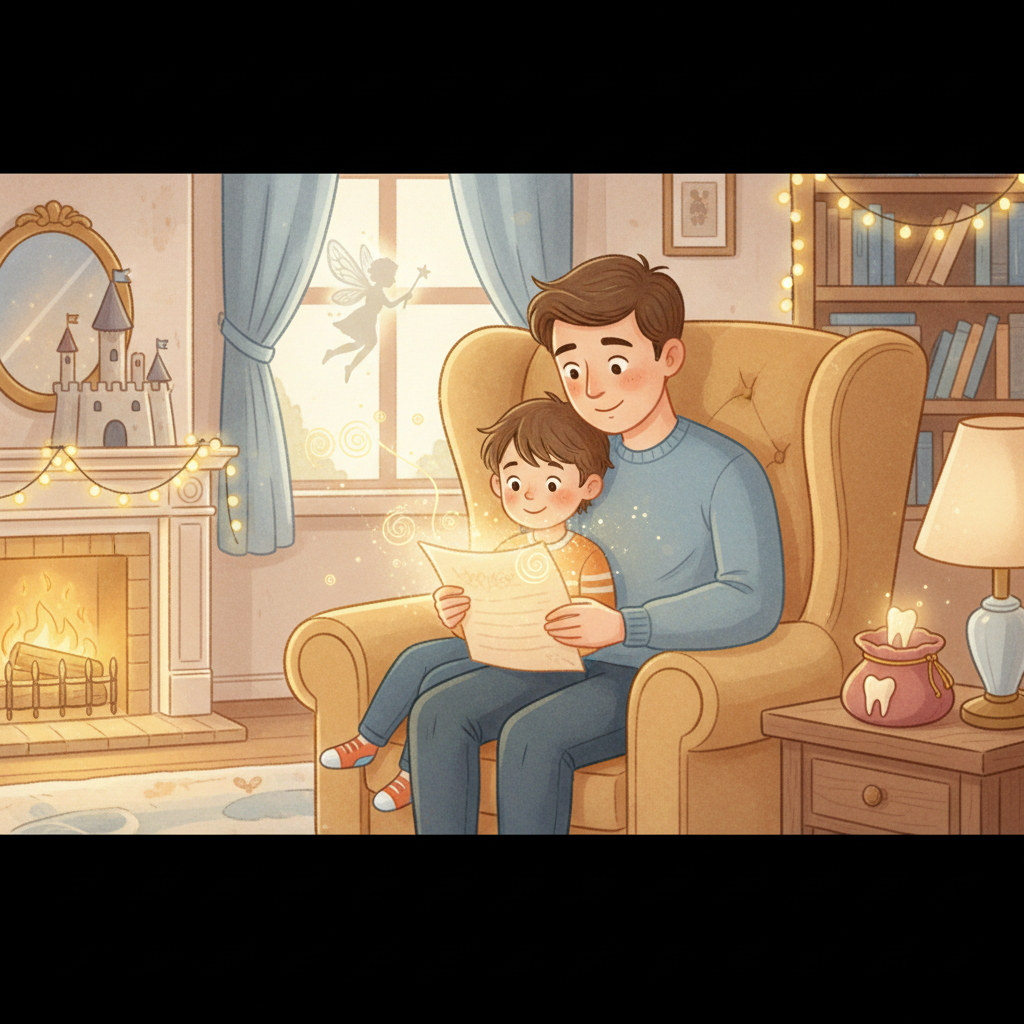
In France, Belgium, and Switzerland, children don't wait for a fairy; they wait for La Petite Souris. This industrious little mouse sneaks under the pillow to replace a tooth with a small coin or a tiny treat. The story often tells of the mouse using the teeth to build a grand castle or to help other animals. For parents, writing a tiny letter from the perspective of a mouse—perhaps mentioning their favorite cheese or the long journey they took through the floorboards—adds a layer of whimsical storytelling that delights young minds.
Ratoncito Pérez: The Legend of Madrid
In Spain and many Hispanic cultures, the tooth collector is Ratoncito Pérez. Unlike many mythical figures, Pérez has a confirmed home! He is said to live in a biscuit box at 8 Calle del Arenal in Madrid. In 1894, Luis Coloma was asked to write a story for the young King Alfonso XIII, who had just lost a tooth, and thus the legend was born. Today, parents often leave small gifts or coins, and some even leave a tiny "mouse door" on the baseboard to help him enter the room.
The Celtic Influence
In Scotland and Ireland, the tradition leans more toward the "Beannuaithe" or the fairy folk. In some Irish legends, it was believed that if a tooth fell out, it should be buried to prevent a witch from gaining power over the child. Over time, this evolved into the modern fairy tradition we know today, often involving a "fairy tax" where the fairy pays for the tooth to help build her palace.
Asian and Middle Eastern Tooth Customs: Rooftops, Rivers, and Wishes
In many parts of Asia and the Middle East, the tradition isn't about what you get, but what you do. These customs are deeply symbolic and often involve the whole family participating in a physical ritual to ensure healthy growth.
The Rooftop Toss
In Japan, Korea, China, and Vietnam, there is a specific geometric logic to tooth disposal. If a child loses a lower tooth, they throw it onto the roof of their house. If they lose an upper tooth, they tuck it underneath the porch or floorboards. The idea is that the new tooth will be encouraged to grow toward the old one—straight and strong.
In Korea, children often chant while throwing the tooth to the roof, calling for a magpie to take the old tooth and bring a new one. This connects the child’s physical growth to the natural world around them.
Middle Eastern Sun and Water
In countries like Egypt, Jordan, and Iraq, children are often encouraged to throw their baby teeth toward the sun, asking the sun to send back a "shining" new tooth. In other variations, particularly in regions near water, the tooth is cast into a river. This act of giving the tooth back to nature emphasizes the cycle of life and the child's place within the cosmos.
For parents in modern apartments or Western settings, you can adapt this by having a "balcony ceremony" or letting the child toss the tooth into a special "wishing bowl" filled with water before you "send it to the river" later that night.
Americas and Beyond: From El Ratón to Unique Island Traditions
The Americas offer a beautiful melting pot of traditions. In Mexico, El Ratón de los Dientes (the Tooth Mouse) is the primary visitor, but in many modern households, he works in partnership with the Tooth Fairy. This "dual-jurisdiction" approach is a wonderful way for bilingual families to celebrate both parts of their heritage.
Brazil and South America
In Brazil, many children follow the tradition of throwing their teeth outside, often onto the roof or into the yard, while asking the birds or the "tooth spirits" to take it away. However, in urban areas, the influence of the American Tooth Fairy has grown, leading to a blend where a tooth might be left for a mouse but rewarded with a "fairy gift."
Island Customs
In the Caribbean, traditions often reflect a blend of African, European, and Indigenous influences. In some islands, it is common to put the tooth in a box and place it on a high shelf where a mouse can't reach it—or conversely, in a place where a mouse will find it, depending on the specific family lore. These variations highlight how traditions evolve based on the environment and the stories passed down through generations.
Creating Your Own Multicultural Tooth Tradition
With 20 baby teeth to lose, why stick to just one story? You can turn the multi-year process of losing teeth into a global adventure. Using each lost tooth as an opportunity to learn about a new culture keeps the magic fresh and educational.
- The Tooth Passport: Create a small "passport" for your child. Each time they lose a tooth, choose a different country's tradition to follow and give them a stamp or a sticker from that nation.
- Personalized Letters: Use a service like The Magic Letter Box to create letters from different characters. One month, your child might get a letter from La Petite Souris written in a mix of French and English; the next, a note from the traditional Tooth Fairy.
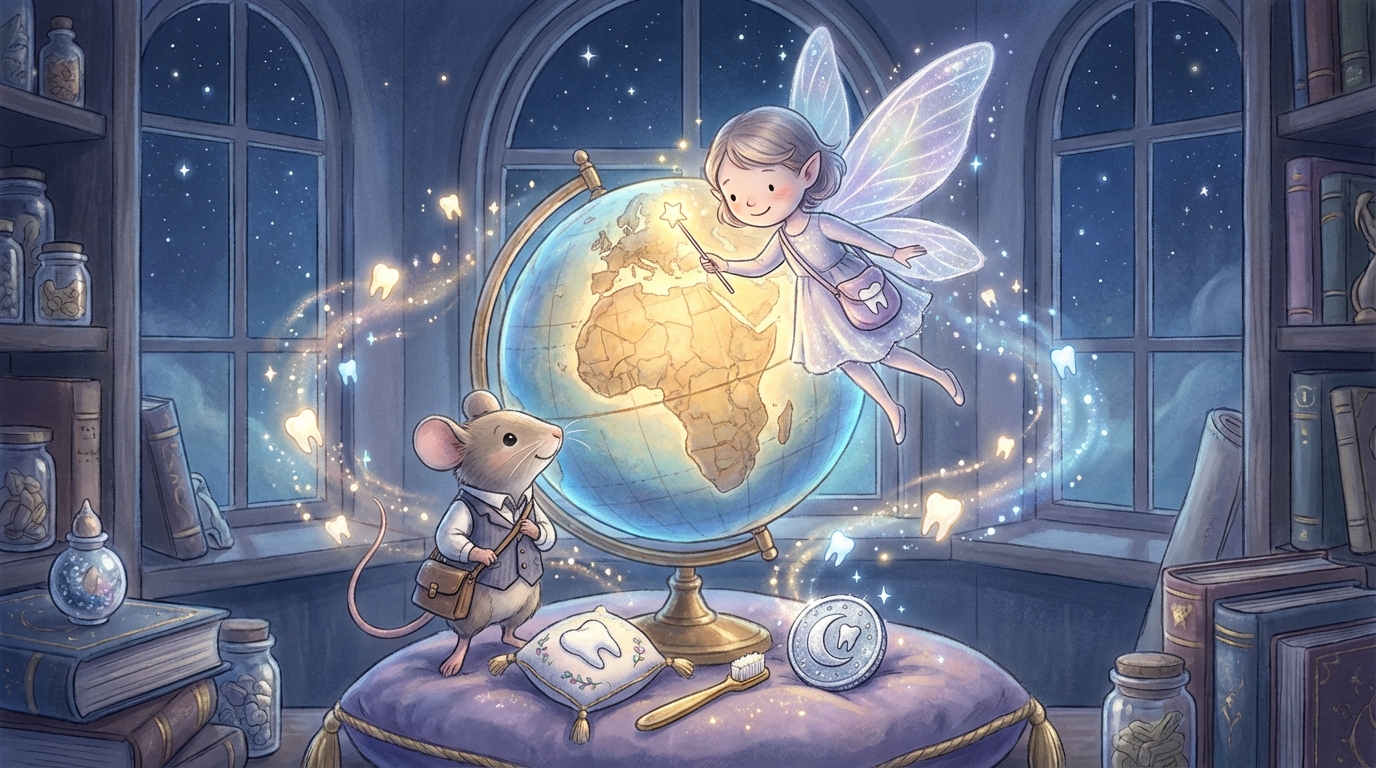
- The Geography Connection: When a tooth is lost, find the country of that tooth’s tradition on a map. Discuss what children in that country eat and how they say "thank you" to their tooth collector.
This approach is particularly effective for older children who might be starting to question the logistics of a single fairy visiting every child on earth. Explaining that different cultures have different "helpers" expands their worldview and keeps the wonder alive through curiosity rather than just blind belief.
Modern Twists on Tooth Fairy Traditions Around the World
In our digital age, the Tooth Fairy has gone high-tech. From apps that "capture" the fairy on video in your living room to digital certificates of deposit from the "First National Tooth Bank," technology can add a layer of proof for the skeptical child. However, there is also a growing movement toward eco-conscious and experience-based traditions.
Beyond the Dollar Bill
Inflation has hit the tooth economy, but you don't have to keep raising the price per tooth. Many modern parents are moving away from cash toward:
- Experience Coupons: A "stay up 30 minutes late" pass or a "choose the movie for Friday night" card.
- Charitable Giving: The fairy leaves a coin for the child and a note saying a small donation was made to a dental charity or an animal shelter.
- Seed Packets: For a "growth" themed reward, the fairy can leave seeds for the child to plant, symbolizing the new tooth growing in.
Handling Dental Trauma
Not every tooth is lost naturally. For children who lose teeth due to an injury or a necessary dental procedure, the experience can be traumatic. In these cases, the Tooth Fairy (or Mouse) can play a vital role in healing. A special "Brave Frontier" letter or a slightly larger "courage reward" can help reframe a scary dental visit into a heroic story.
Frequently Asked Questions
What do other countries give for lost teeth instead of money?
While money is common, many cultures use small treats (like candies in parts of Europe), small toys, or even practical items like a new toothbrush. In some traditions, the "gift" is simply the promise of a stronger tooth in the future.
How do I explain different tooth fairy traditions to my child?
Explain that magic takes many forms! Just as people speak different languages and eat different foods, magical helpers look different all over the world. You can tell them that the Tooth Fairy has many "international friends" who help her out.
What's the history behind throwing teeth on the roof in Asian cultures?
It is rooted in the concept of "sympathetic magic." By throwing the tooth toward the sky (for lower teeth) or the ground (for upper teeth), the ritual is meant to guide the new tooth to grow straight and meet its counterpart, ensuring a functional and healthy bite.
Losing a baby tooth is a fleeting moment in the long journey of childhood. By borrowing from the rich tapestry of global traditions, you can make each of those twenty milestones a unique memory. Whether you’re tossing a tooth toward the sun or leaving a tiny cheese cracker for a Spanish mouse, you are building a world of magic for your child.
Ready to start your own multicultural tradition? Create your first personalized tooth fairy letter today at The Magic Letter Box and make the next lost tooth truly unforgettable.
Written by The Magic Letter Box
Creating magical moments for families through personalized letters and thoughtful parenting resources.