How to Create Coordinated Santa Letters for Siblings That Feel Personal
Create Magic in Under a Minute
Don't have time for elaborate setups? The Magic Letter Box helps busy parents create personalized, enchanting letters instantly. Get 5 free letters to start, or enjoy unlimited magic for just $15/year!
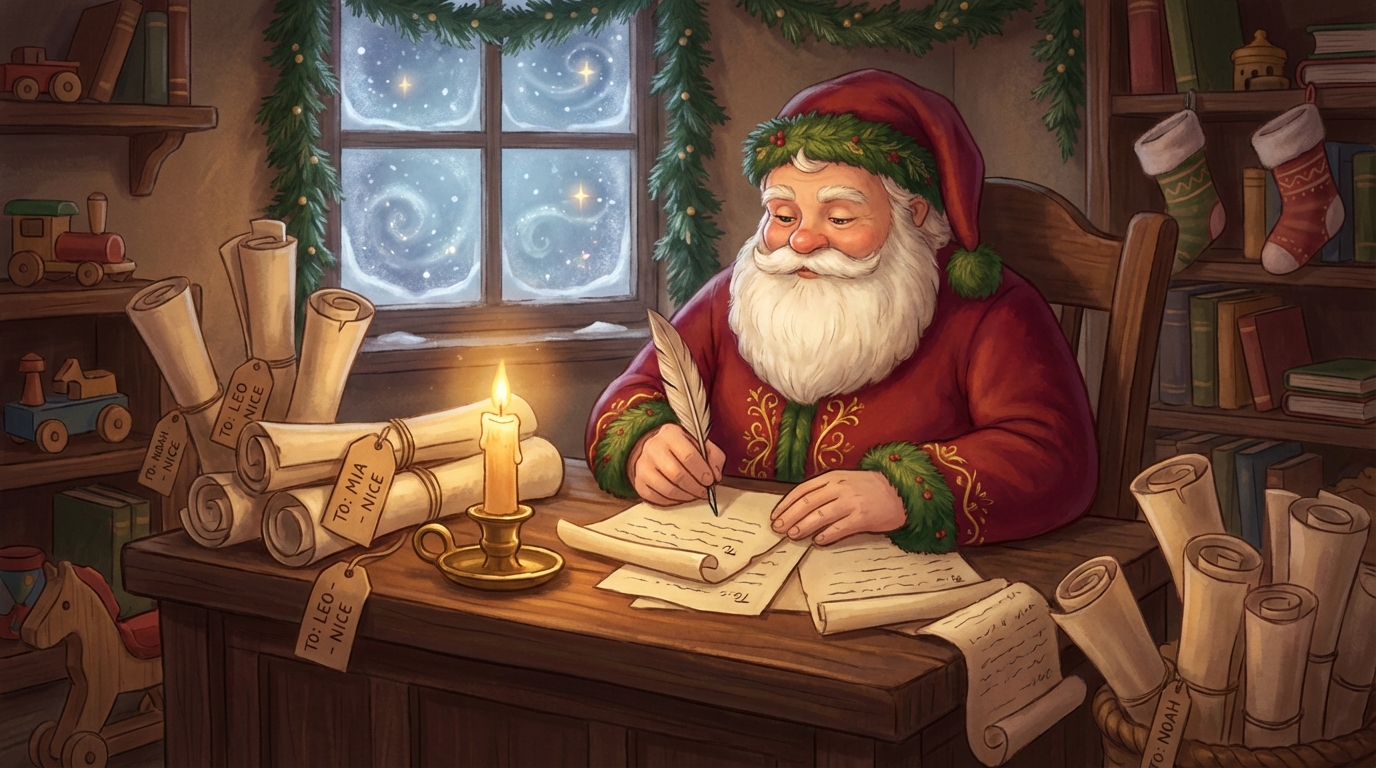
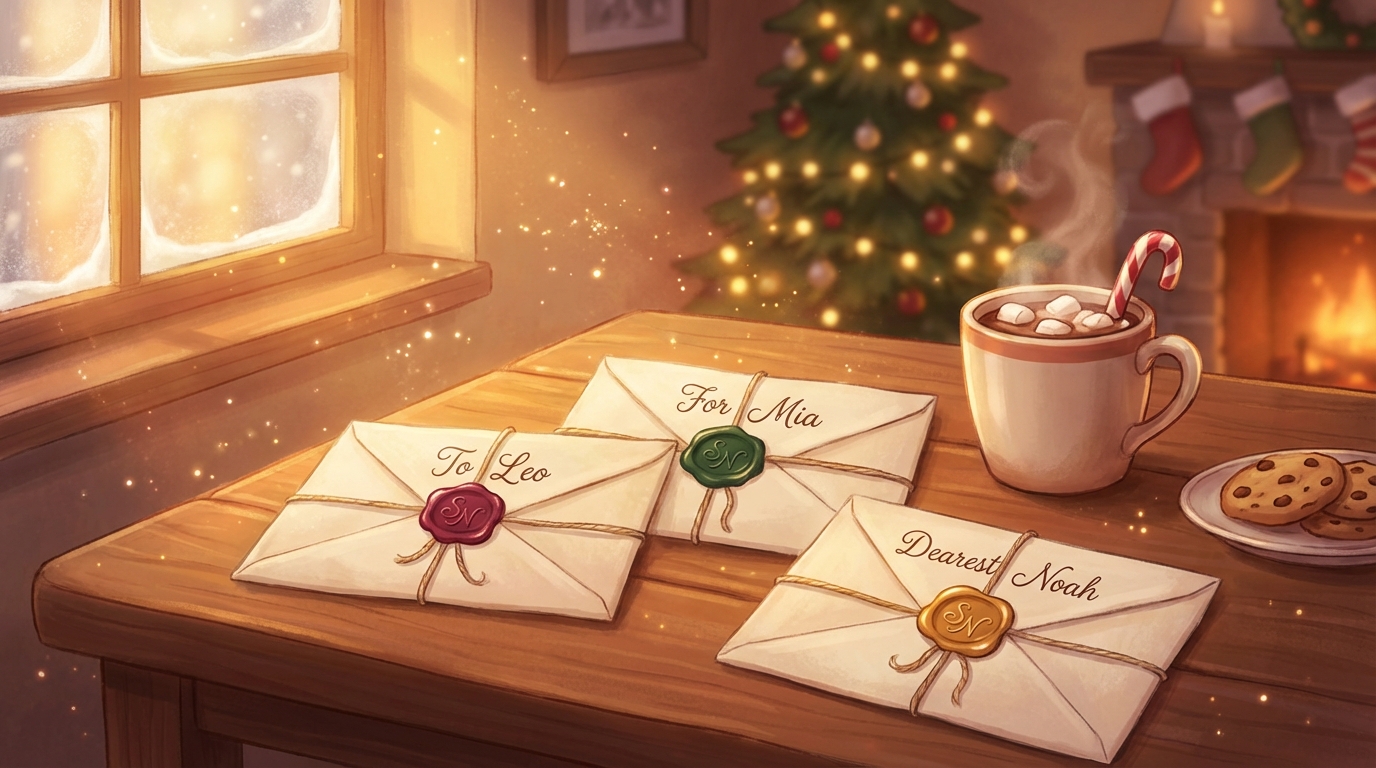
The magic of Christmas is often built on the smallest details—the half-eaten carrot left for Rudolph, the soot smudges near the fireplace, and, most importantly, the letters that arrive from the North Pole. For parents with multiple children, however, these letters present a unique logistical challenge. How do you ensure that each child feels uniquely seen by Santa while maintaining a consistent story that survives the inevitable "sibling interrogation" at the breakfast table?
Why Coordinated Sibling Santa Letters Matter More Than You Think
In a household with more than one child, Santa letters are rarely read in isolation. Children compare notes, swap envelopes, and analyze every word. Inconsistencies aren't just minor typos; they are potential cracks in the foundation of the holiday magic. When an 8-year-old notices that Santa mentioned Comet and Cupid were resting in their letter, but told their 5-year-old sibling that all the reindeer were out on a practice flight, the "detective mode" kicks in.
Siblings naturally discuss the details of Santa's workshop. They piece together clues to form a picture of how the North Pole operates. If the letters contradict each other, the illusion of a single, omniscient Santa begins to fade. Beyond the logic, there is a deep emotional impact. Every child wants to feel that Santa knows them individually—not just as "one of the kids in this house." Achieving this requires a delicate balance: the letters must be different enough to feel personal, yet identical in their "world-building" facts.
The Core Elements That Must Stay Consistent Across All Letters
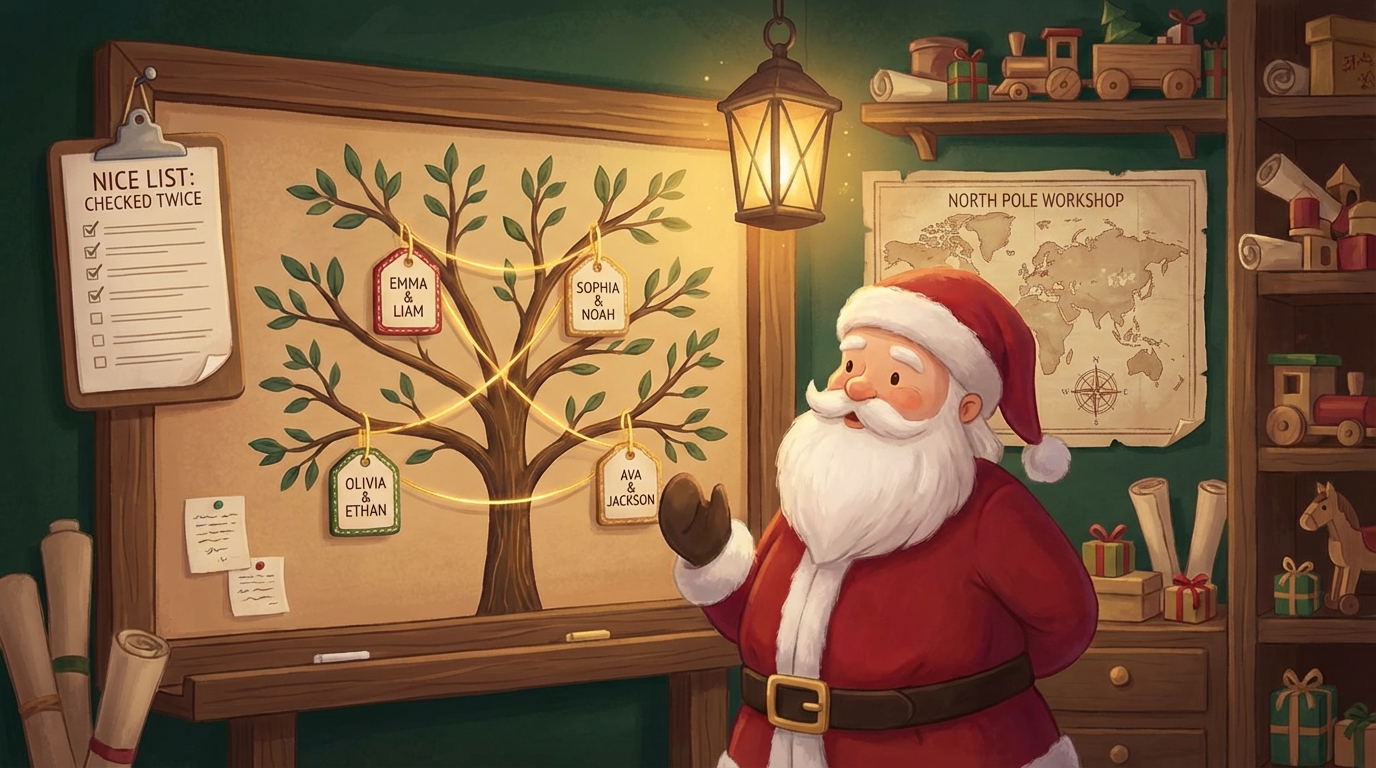
To maintain the magic, you need a shared "North Pole Reality." Before writing a single word, decide on the current state of Santa's world. This consistency is what anchors the tradition in reality. For more on how to build these traditions, you can explore the History of Santa Claus to see how these legends evolved.
The Workshop Timeline
Is the workshop in a frantic final rush, or is everything packed and ready? If Santa mentions a specific detail—like the Elves having a cocoa break or Mrs. Claus finishing a new batch of peppermint sticks—this detail should be a thread that runs through every letter in the house.
Reindeer and Staff
If Rudolph has a cold in the 10-year-old’s letter, he must have a cold in the toddler’s letter too. Using consistent names for Elves (like Bernard or Zippy) helps create a lived-in world that siblings can discuss together. This shared lore is similar to how teachers maintain consistency with classroom elf letter ideas to keep an entire group of students engaged.
Family-Specific Facts
Santa should know if the family recently moved, got a new puppy, or went on a summer vacation. However, the source of this information must be consistent. Did the Scout Elf tell him? Did he see it in his Great Book? Ensure the "how I know" remains the same for everyone.
Personalizing Tone and Content for Different Ages While Staying Coordinated
While the facts remain the same, the delivery must change. A letter to a preschooler should focus on concrete, simple observations, while a letter to a tween requires more sophisticated language to maintain believability. This approach aligns with the science of happiness, which suggests that personalized recognition is a key driver of joy and connection.
Preschoolers (Ages 3-5)
Focus on simple praise and sensory details. Use short sentences: "I saw you were very brave at the dentist!" or "The North Pole is very snowy today." At this age, the magic is in the physical existence of the letter itself.
Elementary Students (Ages 6-9)
This age group is observant. They want to know how Santa saw them. Frame the same event differently: Instead of "I saw you helped your brother," try "I noticed how patient you were when helping your brother with his LEGO set last Tuesday." It shows Santa is paying attention to specific character growth.
Tweens (Ages 10-12)
For children on the "belief edge," the tone should shift toward a warm, mature mentorship. Use more complex vocabulary and acknowledge their burgeoning interests, like a specific sport or a complex art project. Santa’s voice should sound like a wise, old friend who respects their growing maturity.
Avoiding Common Contradictions That Break the Magic
The most common mistake parents make is varying Santa's current activity status. If you write the letters over three different nights, you might forget what you said in the first one. One child hears that the sleigh is being waxed, while another hears it's already loaded with toys.
Another pitfall involves gift hints. If Santa hints at a "big surprise" for one child but is vague with the other, it can lead to sibling jealousy or premature guessing. Keep the level of "gift Intel" consistent across the board. Similarly, if you are planning other holiday traditions, like letters from the Easter Bunny, you'll want to establish a similar system of coordination to keep those seasonal characters distinct and believable.
Strategic Planning: Creating Your Sibling Letter Coordination System
Coordination doesn't have to take hours. Use a "Core + Branch" approach. Start with a 100-word "Core Story" about what is happening at the North Pole today. This block of text remains roughly the same for every letter. Then, create "Personalization Branches" for each child.
- Step 1: Write the North Pole update (Weather, Reindeer, Mrs. Claus).
- Step 2: List one specific achievement for each child.
- Step 3: Note one shared family event (e.g., the school play).
- Step 4: Review all letters side-by-side before printing.
How AI Tools Make Coordinated Sibling Letters Effortless
This is where modern technology saves the day. Platforms like The Magic Letter Box are designed specifically to handle these complexities. Instead of manually tracking your "lore," you can input your family's shared context once—mentioning the new dog, the recent move, or the specific elf on your shelf—and the system ensures that every generated letter reflects those facts accurately.
For families with three or more children, the time savings are immense. You can generate a suite of letters that are age-adjusted automatically. The 4-year-old gets a playful, simple note, while the 11-year-old gets a sophisticated letter that acknowledges their maturity—all while ensuring that both letters agree that Rudolph is currently eating extra carrots for the big flight. This level of coordination used to take a whole evening; now, it takes about sixty seconds.
Frequently Asked Questions
- Should Santa's letter mention all siblings or focus only on the recipient?
- Focus primarily on the recipient, but brief mentions of siblings (especially positive interactions) add authenticity. If you mention a shared event in one letter, reference it in the others too to reinforce that Santa sees the whole family unit.
- How do I handle different belief levels when siblings have big age gaps?
- Adjust the tone and complexity rather than the core facts. A 12-year-old needs more sophisticated language, while a 4-year-old needs concrete praise. The story stays the same, but the way Santa "speaks" matures with the child.
- What if siblings ask why their letters look different?
- This is actually a good thing! Explain that Santa writes personally to each child because he knows them as individuals. The differences prove Santa really knows them, as long as the core facts about the North Pole stay consistent.
- How far in advance should I plan these letters?
- Aim for at least one week before delivery. This gives you time to review all letters together, check for contradictions, and ensure no one was left out of a specific family reference.
Creating coordinated sibling letters is more than just a writing task; it's an act of love that preserves the wonder of childhood for just a little bit longer. By staying consistent with the facts and personal with the praise, you create a magical experience that siblings will remember—and talk about—for years to come. Ready to start your own tradition? Visit The Magic Letter Box today to create your perfectly coordinated family messages.
Try the printed Santa letter
Read an original Christmas note or a shared sibling example, then download the actual sample PDF before creating your own.
Preview and download Santa samplesWritten by The Magic Letter Box
Creating magical moments for families through personalized letters and thoughtful parenting resources.