Using Personalized Letters to Help Children Face Fears
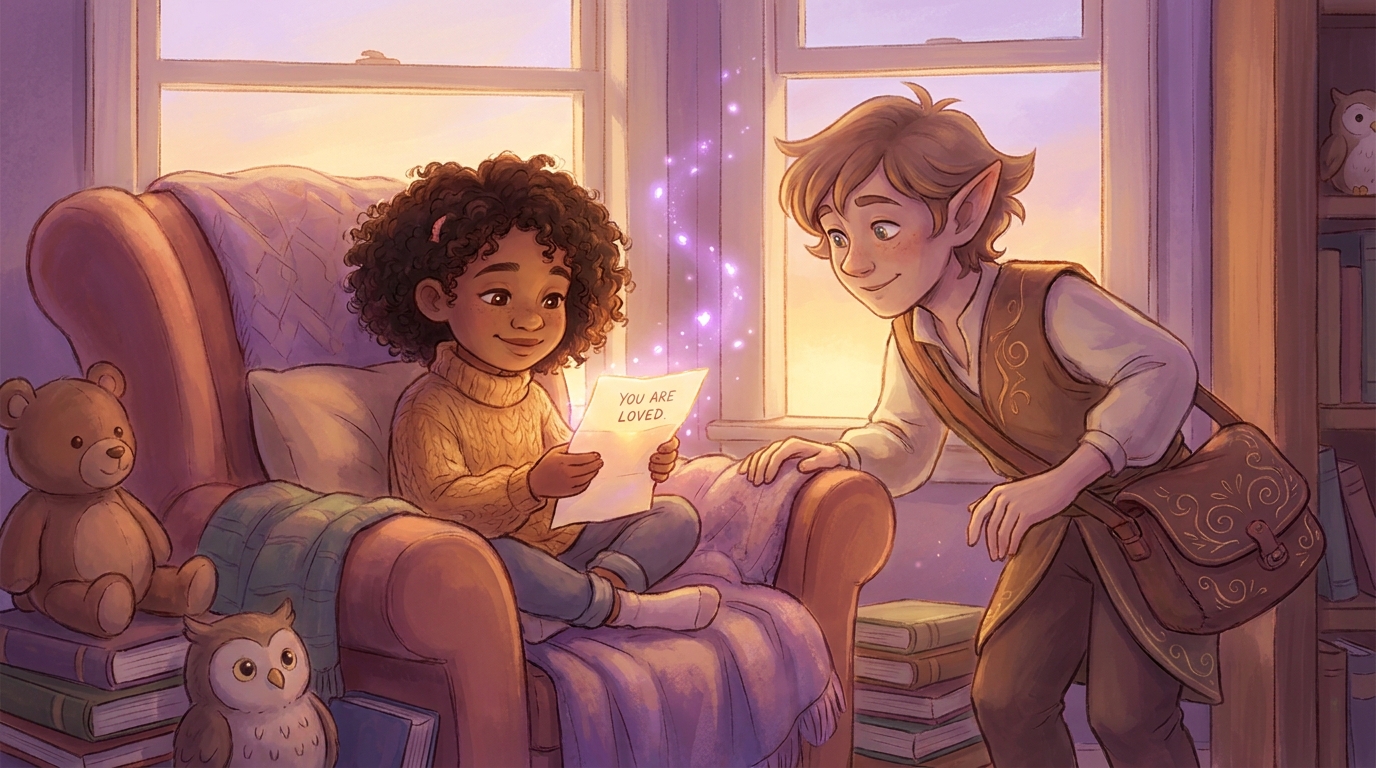
Childhood is often painted as a time of carefree play and sunshine, but for many children, it is also a season of profound and sometimes overwhelming big feelings. From the shadow on the wall that looks like a monster to the stomach-flipping dread of a math test, anxiety is a real and taxing part of growing up. As parents and educators, we often find ourselves searching for the right words to soothe these worries, yet sometimes, the most powerful voice isn't our own—it belongs to a character of legend and lore.
Table of Contents
- Why Magical Letters Work for Anxious Children
- Common Childhood Fears and Which Characters Can Help
- What to Include in a Fear-Focused Letter
- For Parents: Using Letters as Part of Your Support Strategy
- For Teachers: Supporting Anxious Students with Classroom Letters
- Real Stories: How Personalized Letters Made a Difference
- Frequently Asked Questions
Why Magical Letters Work for Anxious Children
Psychologically speaking, children navigate the world through a lens of "magical thinking." This developmental stage, typically peaking between ages 3 and 7, allows them to believe in the extraordinary. When a child receives a personalized letter from a character like the Tooth Fairy or a Holiday Elf, it taps directly into this cognitive framework. But why is this more effective than a heart-to-heart with Mom or Dad?
Firstly, letters create a necessary emotional distance. When a child is in the throes of anxiety, direct questioning can feel like a spotlight, often causing them to shut down. A letter, however, is a low-pressure medium. It allows the child to process the message in their own time, away from the immediate gaze of an adult. This "third-party validation" is powerful; if the Sandman says it's okay to feel nervous about the dark, the child feels less like an outlier and more like a hero in their own story.
Consider a child who refuses to discuss their bedtime fears. They might push back against parental reassurance, viewing it as "just something parents have to say." However, when they find a letter from the Sandman tucked under their pillow, acknowledging that even the stars sometimes hide behind clouds, the fear becomes manageable. It transforms from a private, scary secret into a shared experience with a magical ally. For more on how these characters can build lasting memories, explore creative Easter traditions for kids that foster emotional connection.
Create Classroom Magic in Minutes
Teachers love The Magic Letter Box Classroom Edition! Upload your roster, choose a template, and generate personalized letters for your entire class at once. 10 free trial letters, then just $25/year for unlimited letters for up to 35 students!
Common Childhood Fears and Which Characters Can Help
Not all anxieties are created equal, and matching the right "magical expert" to the specific fear can enhance the therapeutic impact. According to resources like HealthyChildren.org, children face different developmental hurdles as they grow, and our characters can evolve with them.
Nighttime Fears and Physical Changes
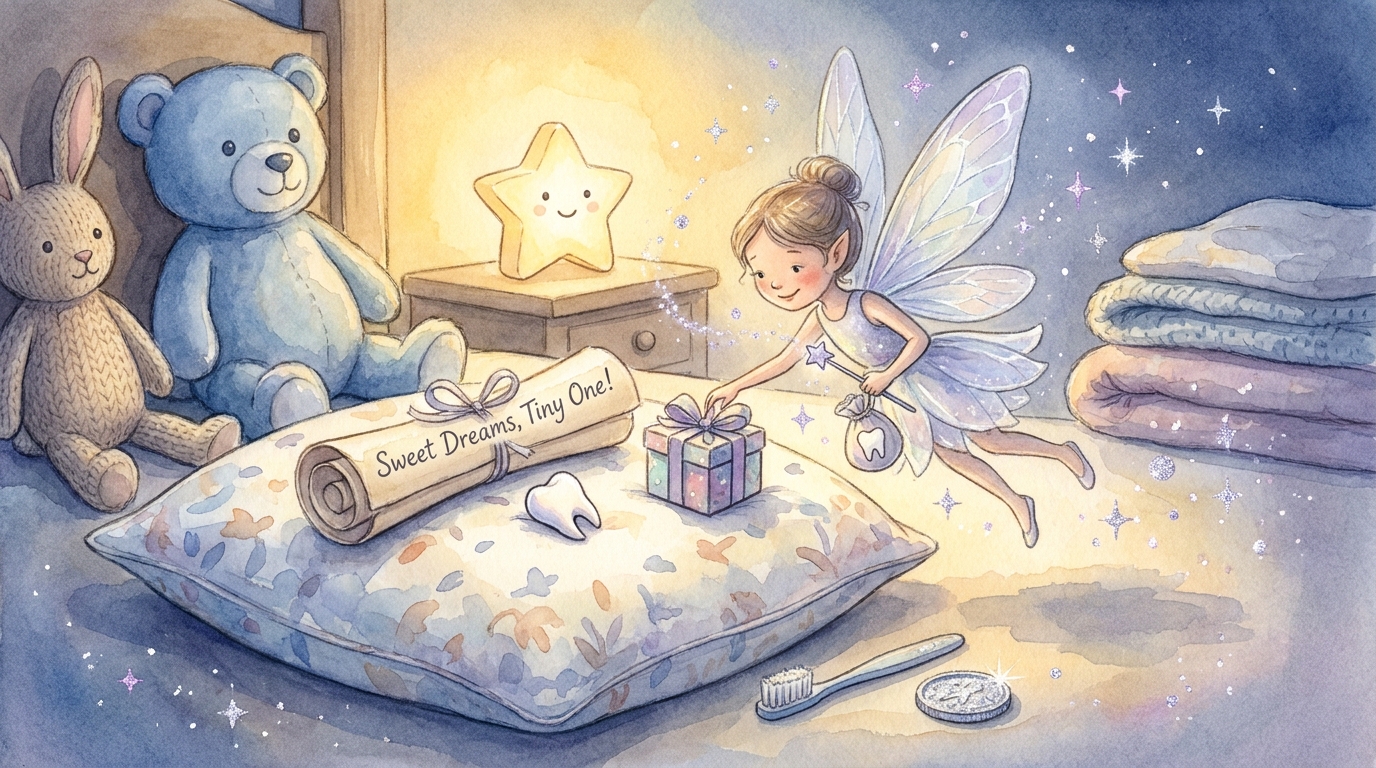
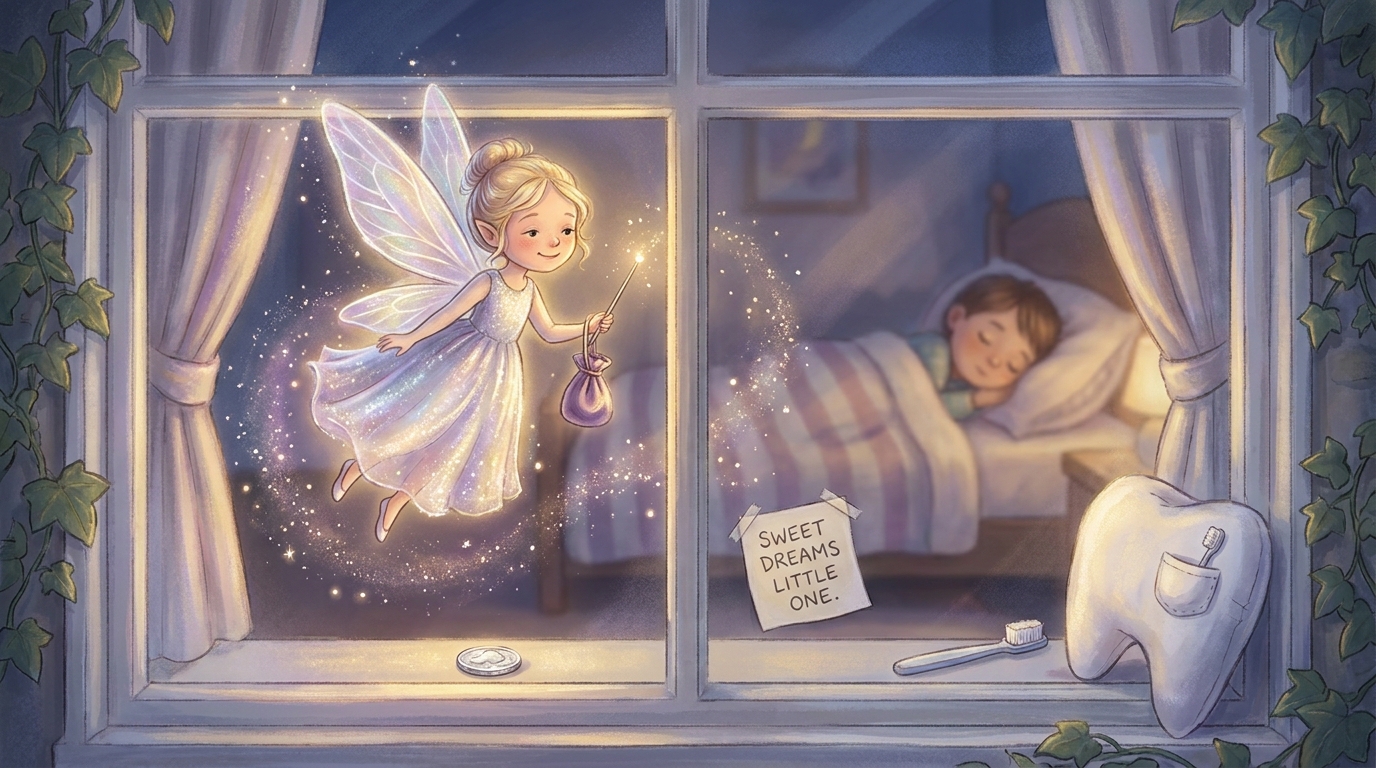
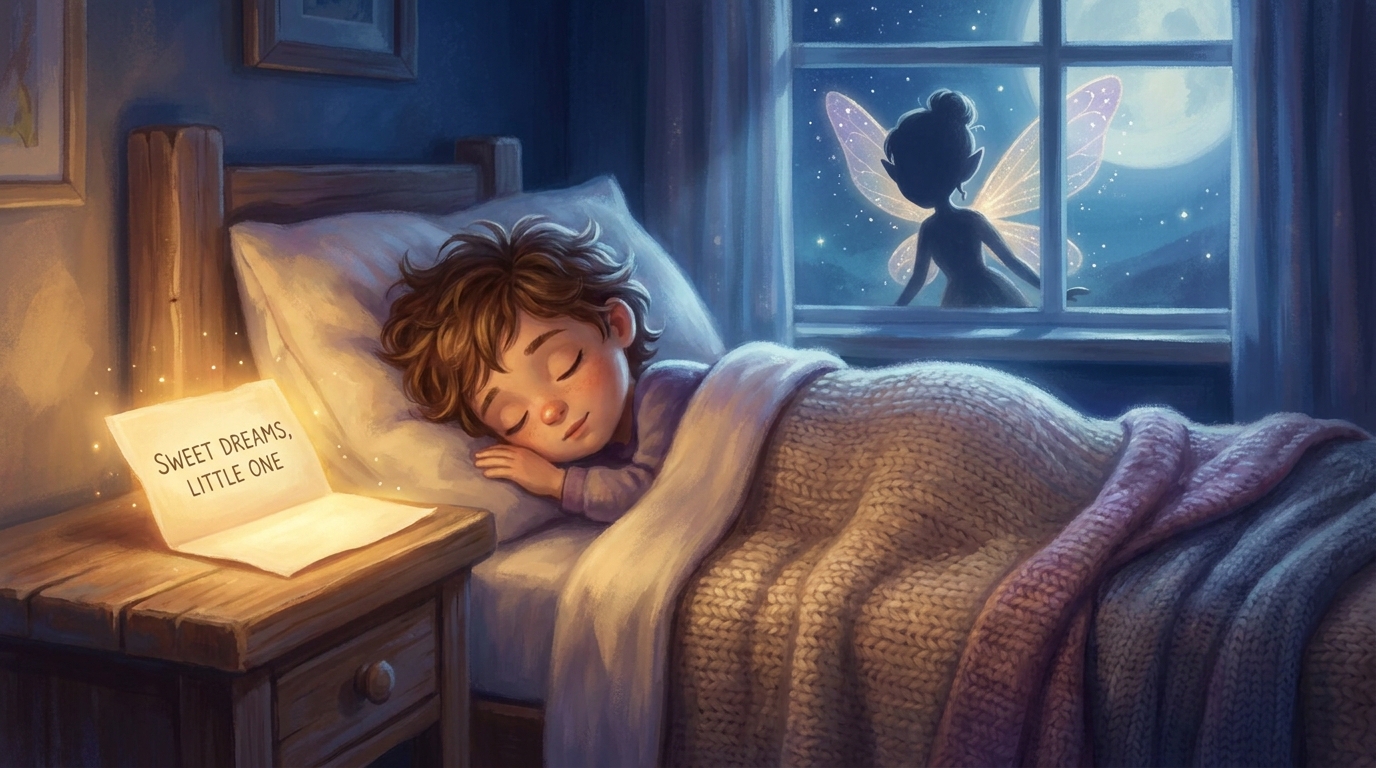
The Tooth Fairy is an ideal candidate for addressing fears related to bodily changes or medical anxiety. A letter from her doesn't just celebrate a lost tooth; it can acknowledge the bravery it took to visit the dentist. Similarly, the Sandman or a "Sleep Guardian" can provide a sense of security for children afraid of the dark, offering a tangible reminder that they are being watched over while they dream.
Social and Performance Anxiety
For children who struggle with social settings, the Birthday Fairy can be a source of calm. Birthdays are often high-pressure events for anxious kids; a letter reframing the day as a celebration of their unique pace, rather than a performance for others, can lower the stakes. When it comes to school-related stress, a Holiday Elf or Santa can write about the importance of "trying your best" rather than "being the best," focusing on the effort and the journey rather than the grade.
Transitions and New Experiences
The Easter Bunny is a symbol of growth and change. This character is perfect for addressing separation anxiety or the fear of moving to a new school. By highlighting the beauty of new beginnings, a personalized Easter Bunny letter can help a child feel more confident about the "next hop" in their life. For children who are naturally more cautious, a Leprechaun can serve as a guide for adventure, encouraging them to take small, brave steps toward the unknown.
What to Include in a Fear-Focused Letter
Writing a letter that supports an anxious child requires a delicate balance of empathy and empowerment. The goal is to validate the feeling without magnifying the threat. Using principles similar to Cognitive Behavioral Therapy (CBT), these letters can help children reframe their thoughts.
- Acknowledge the Fear: Start by naming the emotion. "I heard that the big school building feels a little bit scary right now." This shows the child they are seen.
- Normalize the Emotion: Even magical beings get nervous. "Did you know that even the Easter Bunny's nose twitches extra fast when he visits a new garden? Being brave doesn't mean you aren't scared; it means you go anyway!"
- Provide a Strategy: Give them one concrete tool. For a 5-year-old, it might be "blowing out the candles" (deep breathing). For a 9-year-old, it might be a "bravery mantra" to whisper to themselves.
- Express Belief: End with an unwavering vote of confidence. "I've seen how kind you are to your friends, and I know that kindness will give you the strength you need today."
For Parents: Using Letters as Part of Your Support Strategy
Personalized letters are most effective when integrated into a broader support system. They are not a "magic wand" that disappears anxiety overnight, but rather a tool in your parenting toolkit. Timing is everything. If your child has a doctor's appointment on Thursday, a letter from a brave character arriving on Tuesday allows the child to sit with the encouragement and build up their internal reserves.
Create a ritual around the letter. Perhaps you read it together under a "fort" made of blankets, or perhaps it’s a secret they read alone. The physical nature of the letter is vital. Many children find comfort in the tangibility of the paper; they may sleep with it under their pillow or keep it in a pocket during the school day. This acts as a "transitional object," providing a piece of that magical security when they are away from home.
However, it is also important to remain realistic. If a child's anxiety is preventing them from eating, sleeping, or attending school, letters should be used in conjunction with professional pediatric or psychological support. The Magic Letter Box is designed to help you generate these moments of support quickly, ensuring that when your child needs a boost, you aren't struggling to find the right words at 11:00 PM.
For Teachers: Supporting Anxious Students with Classroom Letters
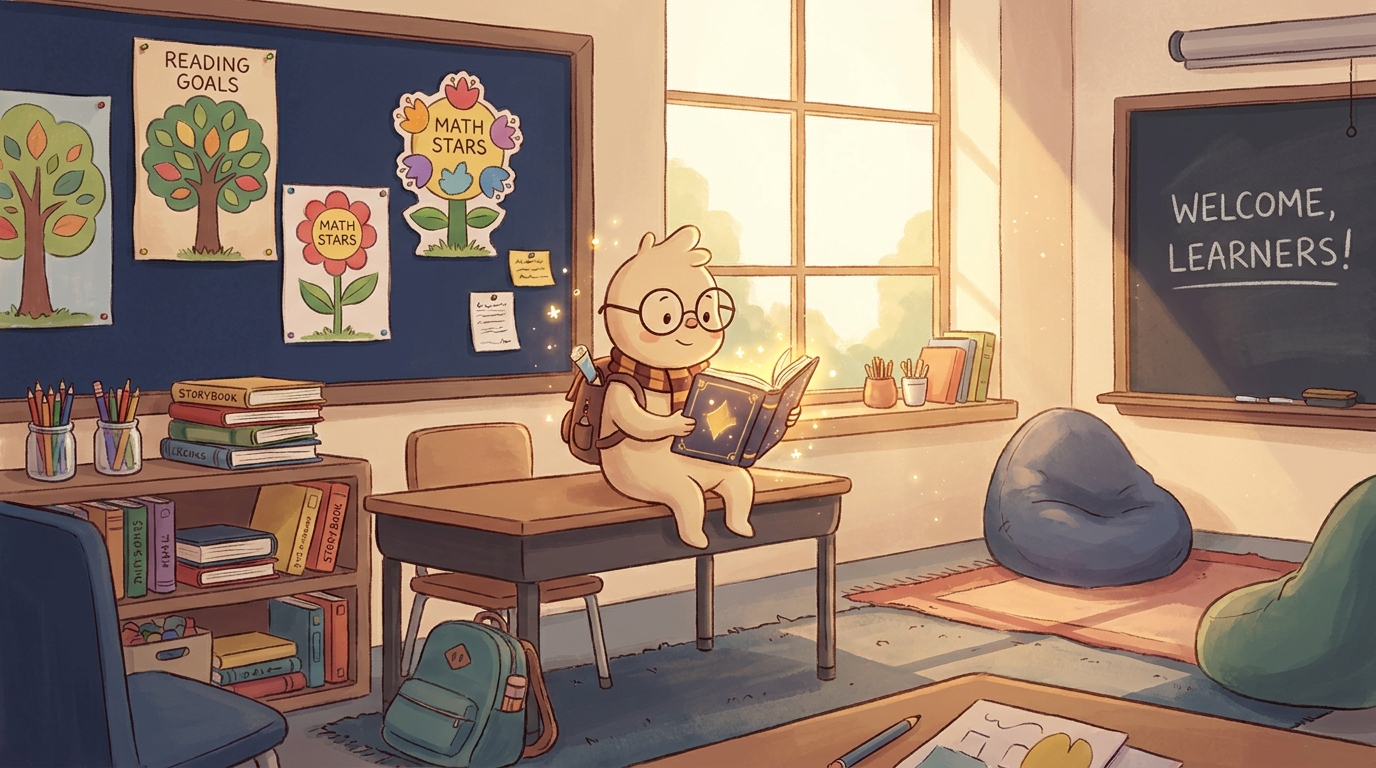
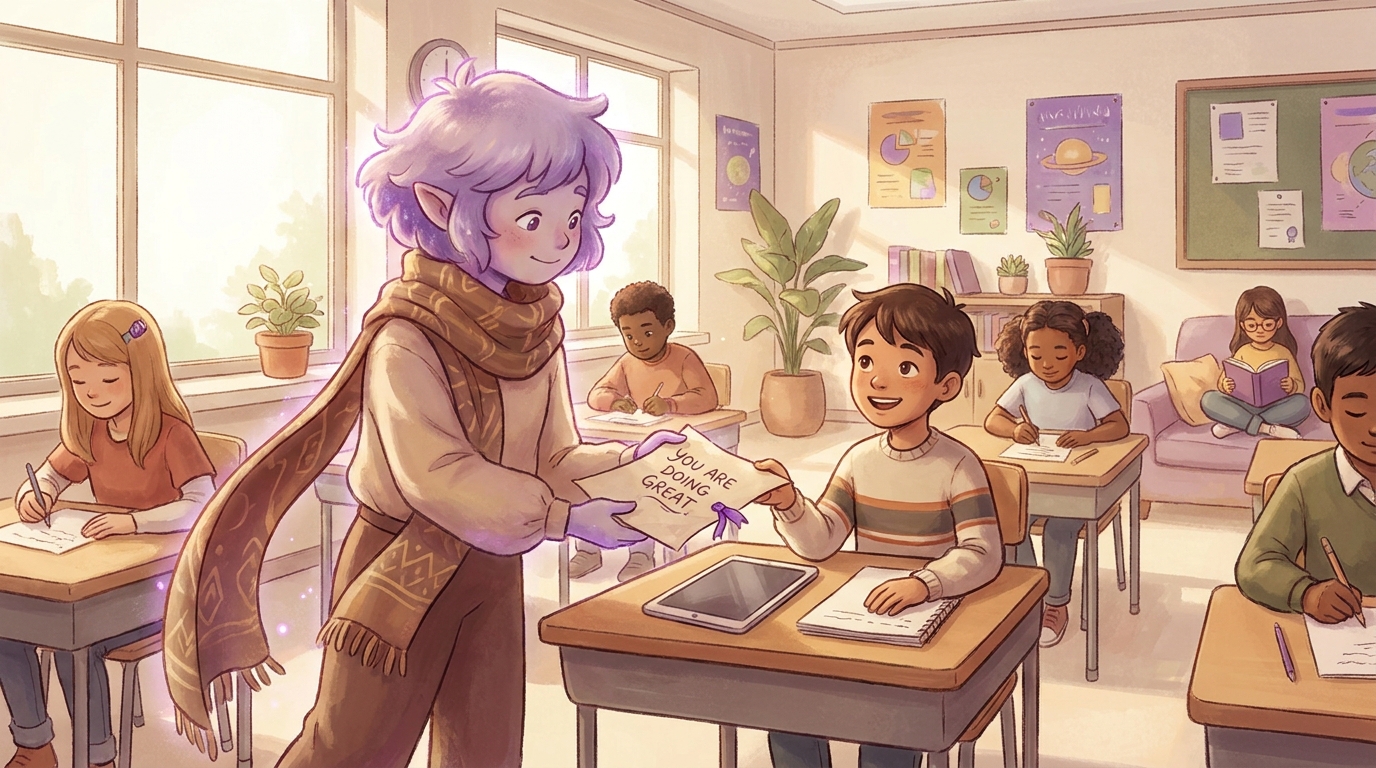
Teachers are often the first to see "situational anxiety"—the nerves that crop up before a standardized test or a holiday performance. Using a classroom mascot to deliver letters can transform the energy of an entire room. Instead of a teacher telling the class to "calm down," a letter from the Class Mascot (perhaps a wise owl or a spunky squirrel) can validate that "testing week makes everyone’s tummies feel a bit fluttery."
For individual students who struggle with specific fears, such as speaking in front of the class, a quiet, personalized note left on their desk can be life-changing. It provides support without the potential embarrassment of being singled out in front of peers. By using The Magic Letter Box Classroom Edition, teachers can bulk-generate messages of encouragement, ensuring every student feels seen and supported during high-stress transitions, like moving to a new grade level.
Real Stories: How Personalized Letters Made a Difference
We’ve seen firsthand how a few well-chosen words can shift a child’s perspective. One parent shared the story of their daughter, Maya, who suffered from severe separation anxiety. Every morning at the school gate was a battle of tears. They began a "Letter Exchange" with the Easter Bunny in the weeks leading up to the holiday. The Bunny wrote about how he has to leave his home to deliver eggs, but he always carries a picture of his family in his heart. Maya began carrying the letter in her backpack, tapping it whenever she felt lonely. Within two weeks, the morning tears had subsided into a brave wave.
In another instance, a second-grade teacher used a "Letter from the North Pole" to address a classroom-wide fear of failure during a difficult math unit. The letter didn't focus on getting the answers right; it focused on how the Elves often mess up their inventions the first ten times they try. This simple story gave the students permission to make mistakes, significantly lowering the collective anxiety in the room and improving engagement.
Frequently Asked Questions
Personalized letters can support anxious children from about age 4 through early middle school (around age 12). Younger children respond to simple, reassuring messages, while older elementary students benefit from letters that acknowledge their developing independence and provide concrete coping strategies.
No, personalized letters are a supportive tool, not a replacement for professional help. They work best as part of a comprehensive approach. If your child's anxiety persists or interferes with daily activities, consult a professional.
Use letters strategically. They're most effective before anxiety-triggering events or when you notice your child struggling. Well-timed letters become cherished comfort tools rather than a routine that loses its sparkle.
Even older children appreciate the validation. You can transition to characters like class mascots or simply maintain the spirit of the tradition; the feeling of being understood matters more than the literal magic.
In the end, helping a child face their fears is about building a bridge from anxiety to agency. Whether it's a letter from a bunny, an elf, or a fairy, these magical messages provide the scaffolding children need to stand tall. Ready to support your students? Check out The Magic Letter Box Classroom Edition for easy-to-use tools designed specifically for educators.
Written by The Magic Letter Box
Creating magical moments for families through personalized letters and thoughtful parenting resources.