How to Create Magical Letters from the Easter Bunny: A Guide for Parents
The Magic of Easter Bunny Letters
There's something undeniably magical about childhood traditions, especially those that bring wonder and excitement to little faces. Among these cherished customs, personalized letters from the Easter Bunny have emerged as a relatively recent but increasingly beloved addition to Easter celebrations worldwide.
Much like letters from Santa Claus or the Tooth Fairy, these special messages create a tangible connection between children and the mythical figure they've heard so much about. They transform an abstract concept into something real and personal, giving children the thrilling experience of receiving direct communication from the Easter Bunny.
In this comprehensive guide, we'll explore everything you need to know about creating magical Easter Bunny letters that will delight your children. From understanding the tradition's origins to practical tips for writing and delivering these special messages, you'll discover how to make this Easter tradition truly enchanting for your family.
Year-Round Magic at Your Fingertips!
Short on time but want to create magical experiences for your child? The Magic Letter Box helps busy parents create enchanting, personalized letters for all special occasions throughout the year! From Easter Bunny notes to messages from Santa, the Tooth Fairy, Birthday Fairy, St. Patrick's Day Leprechaun, Back-to-School encouragement, and more. With 5 free letters to start and unlimited letters for just $15/year, you can create personalized magic in under a minute for every childhood milestone. Hundreds of customization options ensure each letter feels genuinely personal and special.
Table of Contents
- The Magic of Easter Bunny Letters
- The Cultural Origins of Easter Bunny Letters
- Why Easter Bunny Letters Matter to Children
- What to Include in Your Easter Bunny Letter
- Creating the Perfect Easter Bunny Letter
- Creative Delivery Methods
- Making It a Lasting Tradition
- Navigating Questions About the Easter Bunny
- Frequently Asked Questions
The Cultural Origins of Easter Bunny Letters
While the Easter Bunny tradition itself has deep historical roots, the practice of exchanging letters with this magical figure is a more recent development in Easter celebrations. To understand how this tradition emerged, we need to first look at the origins of the Easter Bunny.
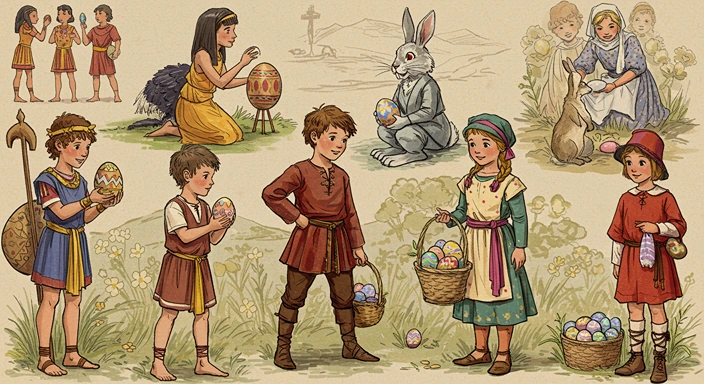
The concept of the Easter Bunny can be traced back to German immigrants who arrived in America during the 1700s. These settlers, particularly those in Pennsylvania, brought with them the tradition of the "Osterhase" or "Oschter Haws," an egg-laying hare. Children would create nests where this mythical creature could leave colorful eggs.
The first documented mention of this Easter Hare appears in 1682 in the work of Georg Franck von Franckenau, referring to a German custom of a hare bringing eggs for children. Over time, as the tradition spread throughout the United States, the Easter Bunny's offerings expanded beyond eggs to include chocolate, candies, and various gifts.
In Germany, the tradition of writing to the Easter Bunny is more formalized than in many other countries. Several German towns have established Easter Bunny post offices (Osterhasenpostamt) where children can send their letters and receive replies, typically managed by dedicated volunteers.
While the Easter Bunny tradition is centuries old, the practice of writing letters to or receiving letters from the Easter Bunny appears to be a more contemporary addition to Easter celebrations. This evolution likely drew inspiration from the well-established tradition of writing to Santa Claus, adapting the concept to create a more interactive and personalized Easter experience.
The increasing popularity of personalized experiences in childhood traditions, coupled with parents' desire to create magical moments for their children, has helped this practice gain traction in recent decades. The publication of books like "Bunny Letters: A Night Before Easter Family Tradition" and the proliferation of online resources offering Easter Bunny letter templates further indicates how this tradition has been formalized and embraced by families seeking to enhance their Easter celebrations.
Why Easter Bunny Letters Matter to Children
Emotional Impact and Joy
The anticipation and reception of a letter from the Easter Bunny can create significant joy and excitement for children. A personalized letter makes children feel uniquely recognized and valued, adding an extra dimension of magic to their Easter experience. Parents often report their children's genuine delight and conviction that the Easter Bunny has written specifically to them.
These letters contribute to creating lasting childhood memories that children will look back on fondly as they grow older. The sense of wonder and magic they experience becomes part of their emotional connection to family traditions and holiday celebrations.
Fostering Imagination and Belief
Imaginative play is vital for healthy child development, offering numerous psychological benefits. Engaging with magical figures like the Easter Bunny stimulates creativity, allowing children to explore situations and scenarios beyond their everyday experiences.
Research suggests that belief in mythical figures during childhood can positively impact cognitive development. These beliefs exercise counterfactual reasoning skills, enhancing a child's ability to think about possibilities beyond their immediate reality.
The period of "magical thinking" that children experience when they believe in figures like the Easter Bunny is developmentally appropriate and can positively influence creativity and cognitive abilities. It provides a foundation for later abstract thinking and fosters a sense of wonder about the world.
Furthermore, the positive messages often conveyed in Easter Bunny letters, such as acknowledgments of kindness and good behavior, can reinforce positive values and contribute to a child's emotional well-being and self-esteem.
What to Include in Your Easter Bunny Letter
Creating a magical letter from the Easter Bunny involves thoughtful consideration of both content and presentation. Here are the key elements that make an Easter Bunny letter truly special:
Essential Personalization Elements
- Child's Name: Include the child's name multiple times throughout the letter to make it feel uniquely written for them.
- Home Address or Location: Mentioning where the child lives adds authenticity.
- References to Personal Details: Include mentions of the child's interests, accomplishments, or recent events in their life.
- Family Members and Pets: Referring to siblings, parents, or beloved pets makes the letter feel more personal and convincing.
Common Themes and Content Ideas
- Easter Preparations: Describe how busy the Easter Bunny and helpers have been preparing eggs and treats.
- Appreciation for Treats: Thank the child if they left out carrots or other snacks for the Easter Bunny.
- Acknowledgment of Good Behavior: Mention specific good deeds or positive behavior the child has demonstrated.
- Easter Egg Hunt Excitement: Express enthusiasm about the upcoming egg hunt and perhaps offer subtle hints about where eggs might be hidden.
- Spring Themes: Include references to springtime, flowers blooming, and the changing seasons.
- Encouragement: Offer words of encouragement for any challenges the child might be facing.
Dear [Child's Name],
Hop hop hooray! I'm so excited to visit you in [Town/City] this Easter! My helpers and I have been very busy at the Warren preparing special eggs just for you.
I heard that you've been [specific good behavior] lately - that makes my whiskers twitch with happiness! I'm especially impressed by how you [personal accomplishment].
Please give [pet name] a pat from me, and tell [sibling name] I have special treats for them too!
I can't wait for you to join the Easter egg hunt. Keep your eyes open for colorful surprises!
Have a wonderful Easter filled with joy and chocolate!
With twitchy nose and fluffy tail,
The Easter Bunny
[paw print or signature]
Age-Appropriate Content Considerations
Tailoring your Easter Bunny letter to your child's age ensures it resonates with their developmental stage and capabilities:
- Toddlers and Preschoolers (2-4 years): Keep letters short and simple with basic vocabulary. Focus on concrete concepts like colorful eggs and chocolate treats.
- Early Elementary (5-7 years): Include more details and slightly more complex language. This age group enjoys magical elements and specific references to their lives.
- Older Elementary (8-10 years): As critical thinking develops, add more sophisticated details about the Easter Bunny's world. Consider addressing early questions about how the Easter Bunny manages to visit so many homes.
For children with reading difficulties, consider including visual elements like paw prints, simple drawings, or stickers. You might also record an audio message "from the Easter Bunny" to accompany the written letter, making the experience more inclusive and magical.
The most effective Easter Bunny letters balance magical elements with personal touches that reflect your child's unique personality and experiences. This thoughtful personalization is what transforms a simple note into a treasured keepsake.
Creating the Perfect Easter Bunny Letter
When it comes to creating Easter Bunny letters, parents have several options ranging from completely DIY approaches to using professional services. Each method has its advantages depending on your time, creativity, and resources.
DIY Easter Bunny Letters
Creating your own Easter Bunny letter from scratch allows for complete personalization and can be especially meaningful. Here's how to craft an effective DIY letter:
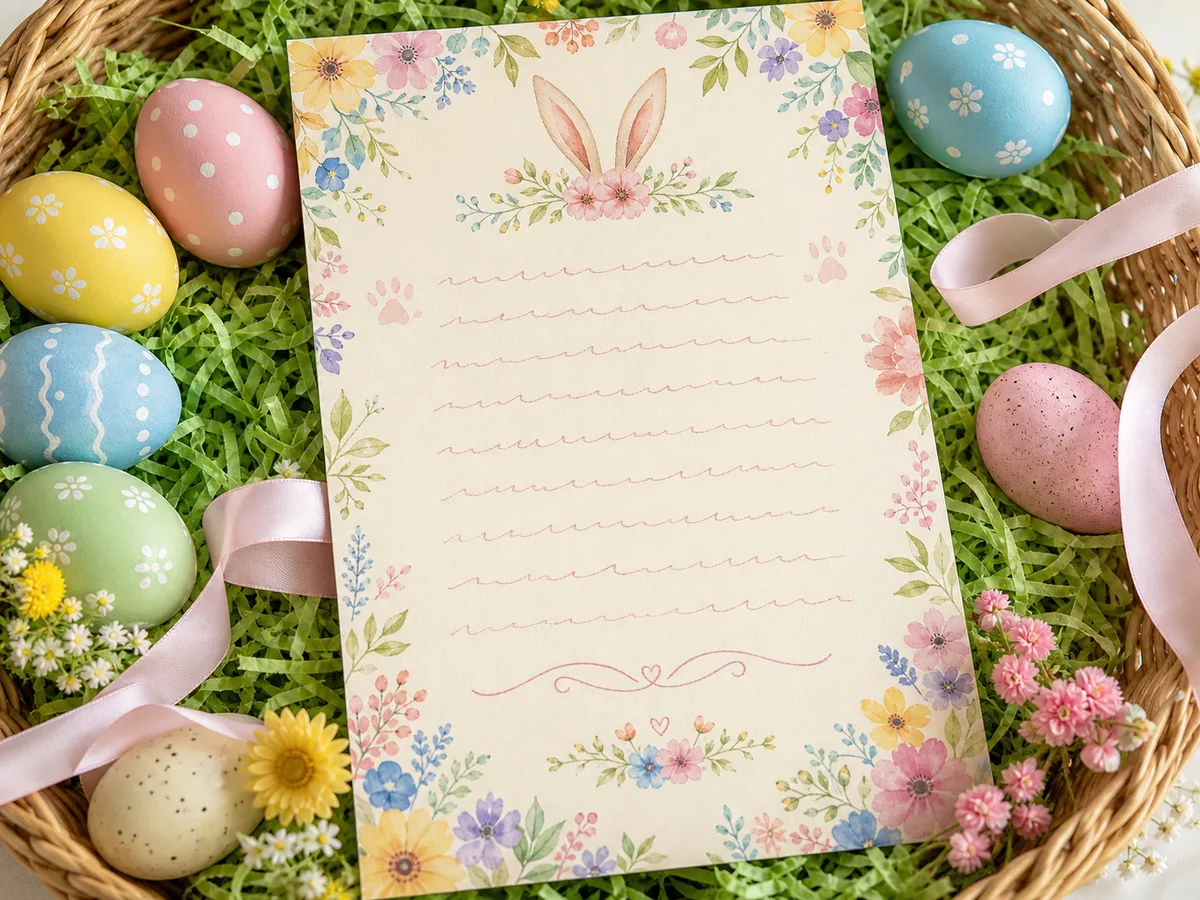
- Special Paper: Consider using pastel-colored paper, parchment paper, or paper with Easter or spring-themed borders.
- Distinctive Handwriting: Use handwriting that differs from your own, perhaps more rounded or decorative.
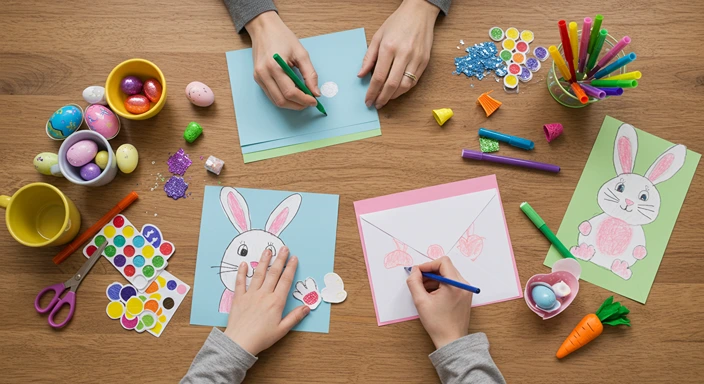
- Decorative Elements: Add small drawings, stickers, or washi tape with Easter motifs like eggs, bunnies, or flowers.
- Signature Touch: Create a bunny paw print using a stamp, potato print, or even your own thumb dipped in washable ink.
- Aging Techniques: For an authentic look, lightly tea-stain the paper or gently crumple and smooth it out to make it look like it traveled a distance.
Using Templates and Digital Resources
For parents short on time or artistic confidence, templates and digital resources offer excellent alternatives:
- Free Printables: Many websites offer free Easter Bunny letter templates that you can download, customize, and print. The Magic Letter Box offers several beautiful free templates as part of their magical Easter traditions collection.
- Editable Templates: Some resources provide editable files where you can type in your child's name and personalized details before printing.
- Digital Design Tools: Platforms like Canva offer Easter-themed templates that can be customized even without design experience.
- Word Processing Software: Create your own template using familiar programs like Microsoft Word or Google Docs, adding Easter clip art and borders.
Professional Services and Easter Bunny Letter Generators
For the ultimate convenience and professional quality, consider specialized services:
- Personalized Letter Services: Companies like The Magic Letter Box offer professionally designed, highly personalized Easter Bunny letters with multiple customization options.
- Letter Generators: Some online tools use your input about your child to automatically generate custom letter content.
- Custom Printing Services: Local print shops can produce high-quality letters on special paper with professional results.
Whatever method you choose, the key is to include personal details that will make your child feel the Easter Bunny truly knows and cares about them specifically. This personalization is what transforms a simple letter into a magical keepsake that your child will treasure.
Creative Delivery Methods
How you deliver your Easter Bunny letter can be just as magical as the letter itself. Here are some creative delivery methods to enhance the experience:
Traditional Placement Ideas
- Inside Easter Baskets: The most common placement, tucked among other goodies in the Easter basket.
- Under the Pillow: Similar to the Tooth Fairy tradition, place the letter under your child's pillow to discover upon waking.
- At the Breakfast Table: Position the letter at your child's place at the breakfast table for a magical morning surprise.
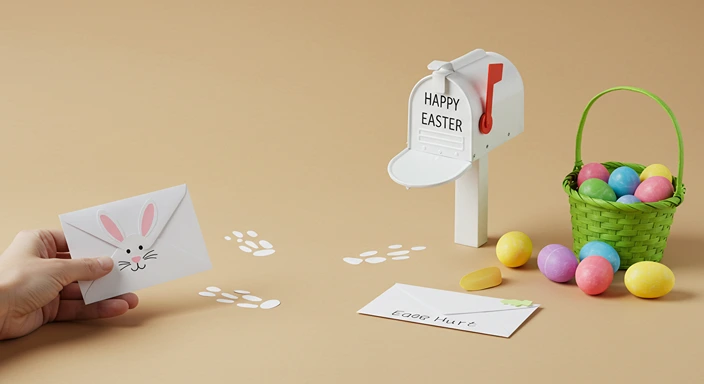
- Mailbox Delivery: Place the letter in your mailbox the night before Easter for your child to "receive" as special mail.
Creating an Immersive Experience
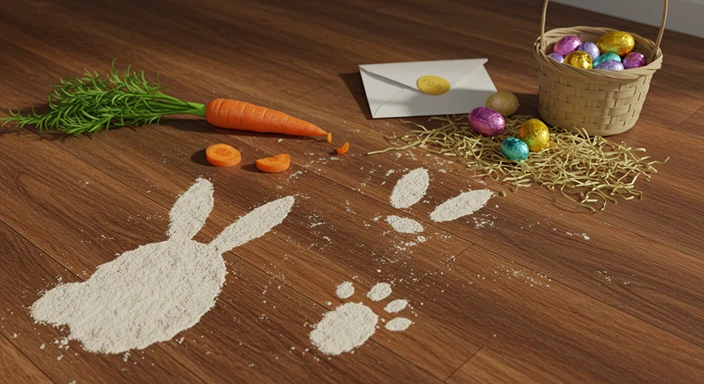
- Bunny Footprints: Create a trail of bunny footprints (using baking soda or washable paint) leading to the letter.
- Carrot Nibbles: Leave a partially eaten carrot near the letter as "proof" of the Easter Bunny's visit.
- Special Delivery Box: Place the letter in a small decorated box with Easter grass, miniature eggs, and a sprinkle of "Easter magic" (biodegradable glitter).
- Part of the Egg Hunt: Make the letter the first clue in an Easter egg hunt, guiding your child to the first hidden treasures.
- Glowing Discovery: For older children, create a glow-in-the-dark experience by hiding the letter with instructions to turn off the lights and use a special "Easter light" (flashlight) to find hidden eggs.
Consider creating an Easter Bunny "mail system" by decorating a special box or area of your home where children can leave their own letters to the Easter Bunny in the days leading up to Easter. This two-way communication adds another layer of magic to the tradition.
For extra magic, incorporate special Easter egg hunt clues within or alongside your Easter Bunny letter. This creates a seamless transition from the excitement of receiving the letter to the joy of hunting for Easter treats. You can even use an Easter egg hunt clue generator to create age-appropriate clues that make the hunt more engaging and educational.
Making It a Lasting Tradition
To transform Easter Bunny letters from a one-time delight into a cherished family tradition, consider these approaches:
Building Anticipation
- Pre-Easter Communication: Consider exchanging letters with the Easter Bunny in the weeks leading up to Easter, allowing your child to write first.
- Easter Bunny Sightings: Create "evidence" of Easter Bunny preparations, such as bunny footprints in the garden the week before Easter.
- Easter Countdown: Incorporate the upcoming letter into an Easter countdown activity, building excitement day by day.
Evolution Across Years
As your children grow, the Easter Bunny letters can evolve to match their developing understanding and interests:
- Year-to-Year Continuity: Reference previous years' events or exchanges in each new letter.
- Growing Complexity: Increase the sophistication of language and concepts as your child matures.
- Building a Narrative: Develop an ongoing story about the Easter Bunny's world that unfolds a little more each year.
Creating a Collection
- Memory Book: Keep copies of each year's letters in a special Easter memory book or folder.
- Digital Archive: Take photos of the letters and the children's reactions each year for a digital keepsake.
- Time Capsule: Store the letters in a special box to be opened when children are grown, perhaps with photos of them enjoying their Easter celebrations.
By thoughtfully developing this tradition over the years, you create not just momentary joy but a treasured childhood memory that your children may someday continue with their own families. Easter Bunny letters become part of your family's unique holiday identity, connecting generations through shared magical experiences.
Navigating Questions About the Easter Bunny
As children grow and develop critical thinking skills, questions about the Easter Bunny are inevitable. Handling these questions with sensitivity and wisdom helps maintain the magic while supporting your child's cognitive development.
Age-Appropriate Responses to Doubts
- Younger Children (3-6): For early questions from very young children, simple, magic-affirming answers often suffice: "The Easter Bunny has special Easter magic that helps him visit all the children."
- Middle Years (7-9): As children begin applying logic, you might respond with questions of your own: "What do you think? How would you explain it?" This allows you to gauge their thinking while preserving wonder.
- Older Children (10+): When direct questions come from older children, consider your child's emotional readiness. Some children are looking for confirmation of their growing understanding, while others may still want to believe.
The Transition Phase
When the time comes for the truth about the Easter Bunny, approach the conversation with sensitivity and understanding:
- Emphasize Growth: Frame the revelation as a sign they're growing up, not as losing something.
- Share the Why: Explain that parents create these traditions to make childhood special and magical.
- Invite Participation: Include them in creating magic for younger siblings or cousins, transitioning them from believer to creator of magic.
- Preserve the Memory: Assure them that the joy and excitement they felt was real, even if the Easter Bunny wasn't.
Remember that discovering the truth about the Easter Bunny is a normal developmental milestone. Research suggests this realization, when handled sensitively, can actually be positive for children's critical thinking skills while preserving warm memories of their younger believing years.
Frequently Asked Questions
What age should I start the Easter Bunny letter tradition?
Most families begin Easter Bunny letters around ages 3-4, when children have developed sufficient language comprehension and have begun to understand the concept of the Easter Bunny. However, you can start earlier with simple letters, knowing that the tradition will grow more meaningful as your child gets older.
How do I introduce this tradition to my child?
Start by talking about the Easter Bunny in the weeks leading up to Easter. Read Easter-themed books that mention the Easter Bunny bringing treats. You might suggest leaving a note or drawing for the Easter Bunny, creating a natural opening for a response letter. The first letter can explain that the Easter Bunny wanted to introduce himself/herself personally this year.
What if my child wants to write back to the Easter Bunny?
Encourage this two-way communication! Create a special "mailbox" where your child can leave letters for the Easter Bunny. You might explain that the Easter Bunny only responds once around Easter time due to being very busy preparing eggs and treats for children worldwide. Remember to "collect" these letters so your child doesn't wonder why they remain untouched.
How do I handle multiple children of different ages?
Tailor each letter to the individual child's age, interests, and developmental stage. For families with children of widely varying ages, older children who no longer believe can be enlisted as "special helpers" to the Easter Bunny, fostering their sense of responsibility while preserving the magic for younger siblings.
What if I forget to leave a letter one year?
If you miss a year, you can explain that the Easter Bunny was especially busy this season but left extra treats to make up for the missing letter. Alternatively, you might "discover" the letter later in the day, explaining that it must have fallen behind furniture or been hidden especially well.
Easter Bunny letters create magical moments that children remember long into adulthood. This relatively simple tradition adds an extra layer of wonder to Easter celebrations, fostering imagination and creating personal connections between children and the beloved holiday figure.
Whether you craft elaborate handwritten notes, use templates, or opt for professional services like The Magic Letter Box, the effort invested in creating these magical messages yields tremendous rewards in your child's joy and excitement.
As you prepare for Easter this year, consider how a personalized letter from the Easter Bunny might enhance your family's celebration. Combined with other magical traditions like creative Easter egg hunts, thoughtfully designed Easter baskets, an Easter Bunny name generator for a personalized touch, and special Easter treats, these letters create a rich tapestry of childhood memories that celebrate imagination, joy, and the special magic of Easter.
Create Easter Magic Without the Stress
Ready to bring the Easter Bunny's magic to life for your child? The Magic Letter Box makes it effortless to create beautifully personalized Easter Bunny letters in minutes. Start with 5 free magical letters, then enjoy unlimited letters for a full year for just $15. With hundreds of customization options and instant creation, you'll save time while creating Easter memories that last a lifetime.
Written by Kim
Creating magical moments for families through personalized letters and thoughtful parenting resources.