Personalized Birthday Fairy Letters by Age: A Complete Guide
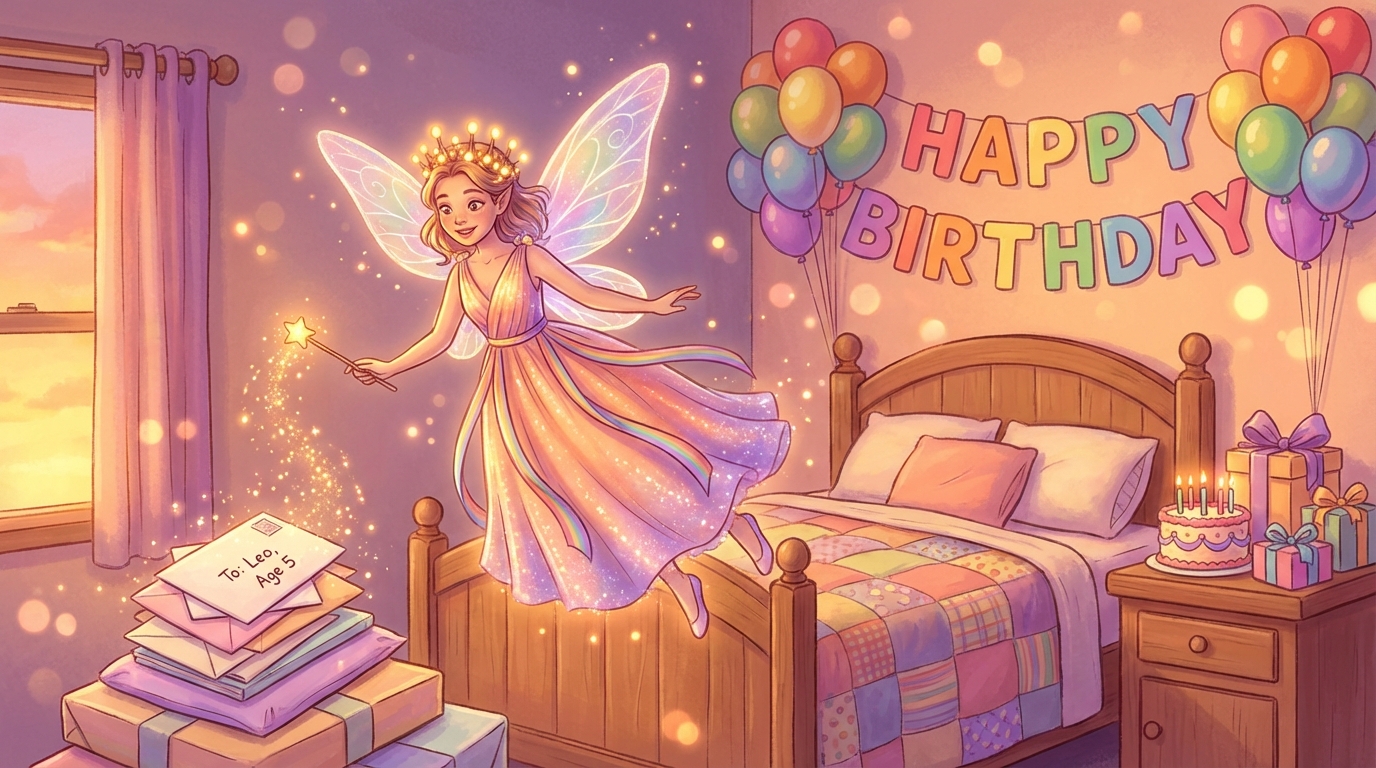
There is a fleeting, golden window in childhood where the line between the physical world and the world of imagination is beautifully blurred. During these years, a rustle in the garden isn't just wind—it’s a fairy. A glittery envelope left on a pillow isn't just paper—it’s a direct message from a magical realm. At The Magic Letter Box, we believe that nurturing this sense of wonder is one of the greatest gifts a parent or teacher can give.
However, the magic that captivates a three-year-old is vastly different from the magic that resonates with a nine-year-old. As children grow, their cognitive abilities and emotional needs evolve. To keep the enchantment alive and believable, your birthday fairy letters must evolve alongside them. This guide explores how to tailor the birthday fairy experience to every developmental stage, ensuring the magic feels genuine from the first toddler years to the threshold of the tween years.
Table of Contents
- Why Age Matters for Birthday Fairy Magic
- Toddlers & Preschoolers (Ages 2-4): Simple Wonder
- Early Elementary (Ages 5-7): Building Belief
- Older Elementary (Ages 8-10): Sophisticated Magic
- Tweens (Ages 11+): The Magic of Memory
- Creating Age-Perfect Letters with The Magic Letter Box
- Frequently Asked Questions
Create Magic in Under a Minute
Don't have time for elaborate setups? The Magic Letter Box helps busy parents create personalized, enchanting letters instantly. Get 5 free letters to start, or enjoy unlimited magic for just $15/year!
Why Age Matters for Birthday Fairy Magic
Childhood is a series of rapid developmental shifts. According to CDC developmental milestones, children move from basic sensory exploration to complex logical reasoning in just a few short years. These cognitive changes directly affect how they process narratives and what they find believable.
In the "sweet spot" for fairy belief—typically between ages 3 and 9—children possess what psychologists call "magical thinking." This is a stage where they don't yet fully distinguish between internal thoughts and external reality. However, as they age, their internal logic becomes more rigorous. A four-year-old is delighted by the concrete: their favorite color, their favorite snack, or the name of their pet. An eight-year-old, by contrast, is looking for narrative consistency. They want to know how the fairy got in and why the fairy noticed their specific act of kindness at school.
Using age-appropriate language is also vital to prevent confusion. If a letter for a preschooler uses complex vocabulary like "altruistic" or "extraordinary," the magic is lost in the translation. Conversely, if a ten-year-old receives a letter that sounds like a nursery rhyme, they may feel patronized, causing the "magical veil" to drop prematurely. Tailoring the complexity of the message ensures the child feels truly seen and understood by their magical visitor.
Toddlers & Preschoolers (Ages 2-4): Simple Wonder
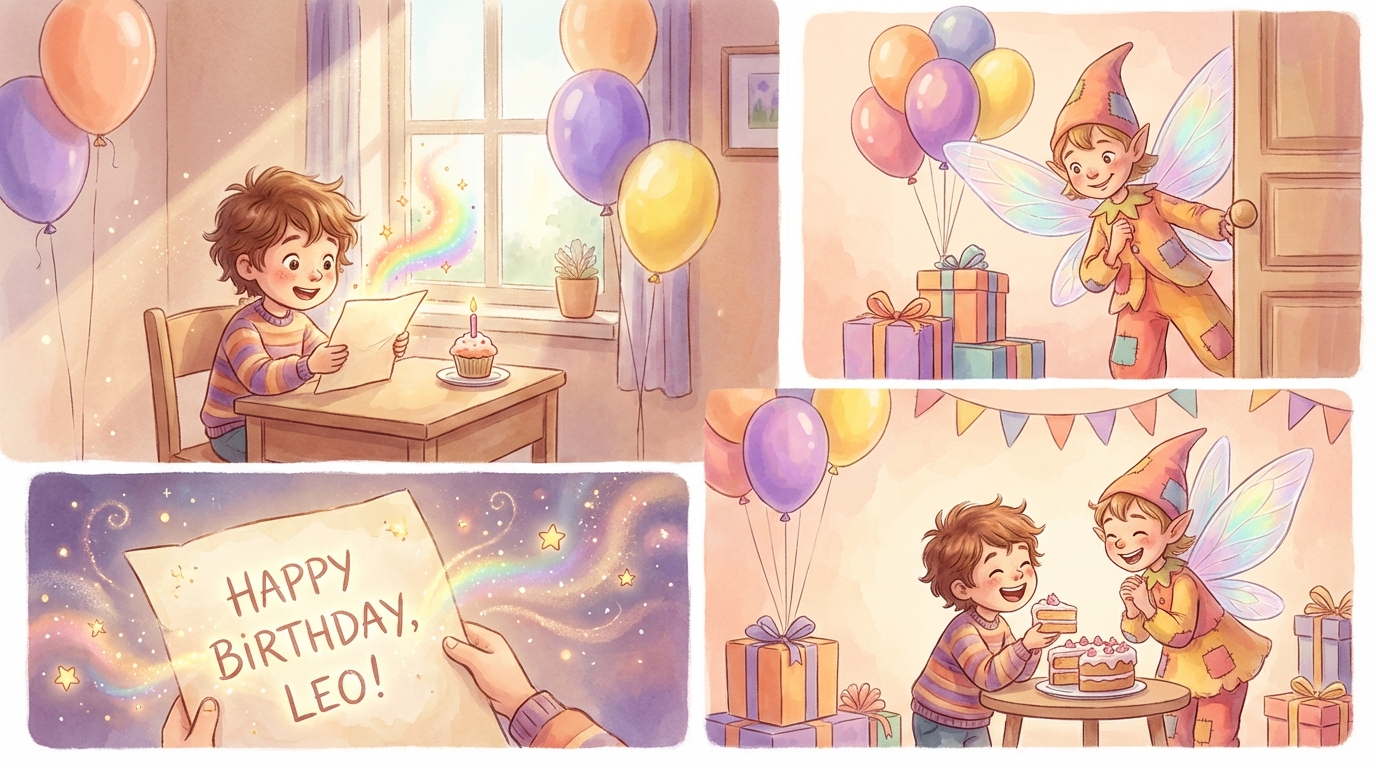
For the youngest believers, magic is a sensory experience. At this stage, children are just beginning to understand the concept of a birthday. Letters should be short, rhythmic, and filled with warmth. Since parents will be reading these letters aloud, the flow of the sentences matters more than the depth of the plot.
Focus on the Concrete: Mention their favorite stuffed animal by name or the specific color of the shoes they love to wear. Toddlers are ego-centric in their development, meaning they relate everything to their own immediate world. Hearing a fairy mention their "Blue Bunny" or the "yummy strawberries" they ate for lunch creates an instant, powerful connection.
Vocabulary & Tone: Use simple, repetitive language. Instead of long paragraphs, use short exclamations of joy. For example: "I saw you share your blocks today. That made me so happy! You are a very kind helper." This reinforces positive behavior while keeping the message accessible.
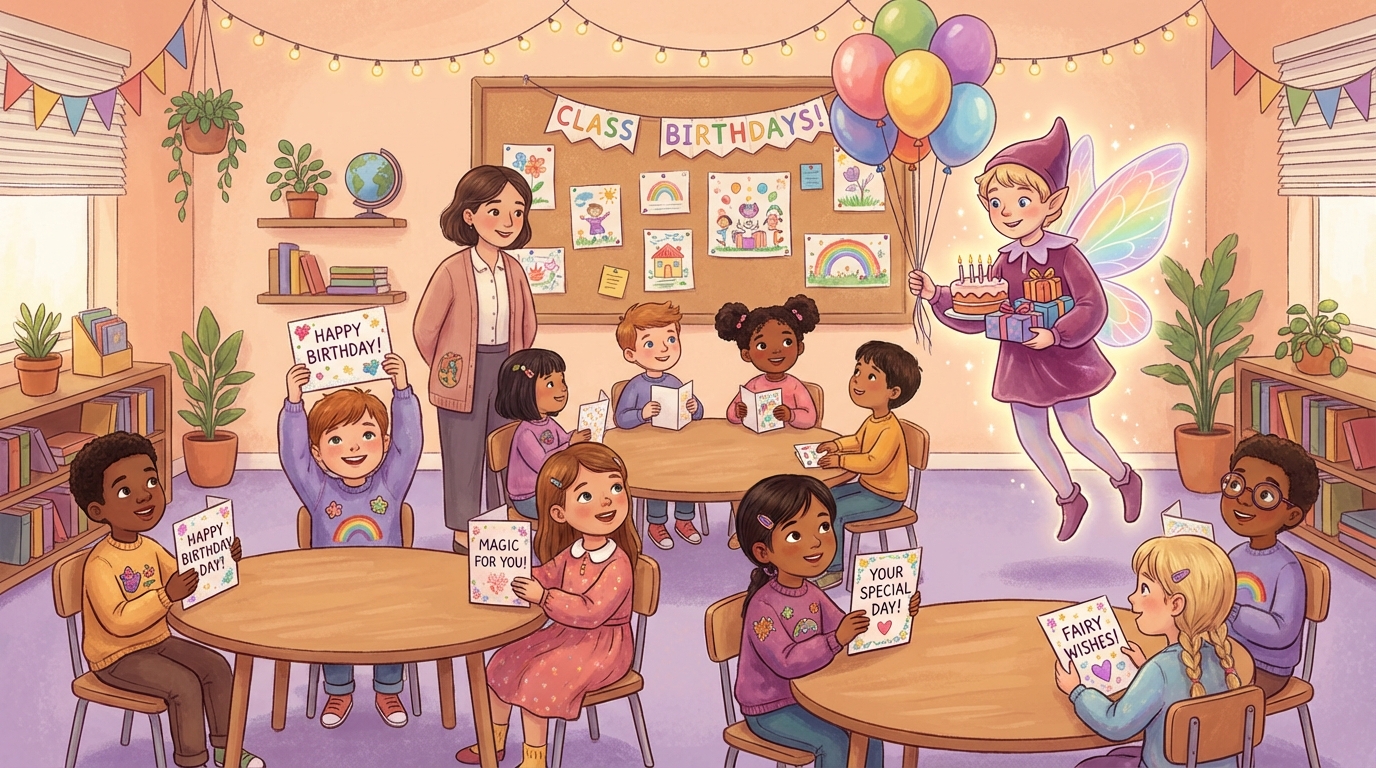
For the Classroom: Pre-K teachers can use simple, class-wide themes where the Birthday Fairy leaves a small note for the birthday child on their cubby. These letters often focus on being a "good friend" or "great listener," aligning with early social-emotional learning goals.
Early Elementary (Ages 5-7): Building Belief
This is the prime age for magical traditions. At 5, 6, and 7, children are developing emerging literacy skills. They might try to decode the letter themselves or follow along as you read. This is also the age where "fairy logic" becomes important. They might start asking how the fairy fits through the window or where they sleep at night.
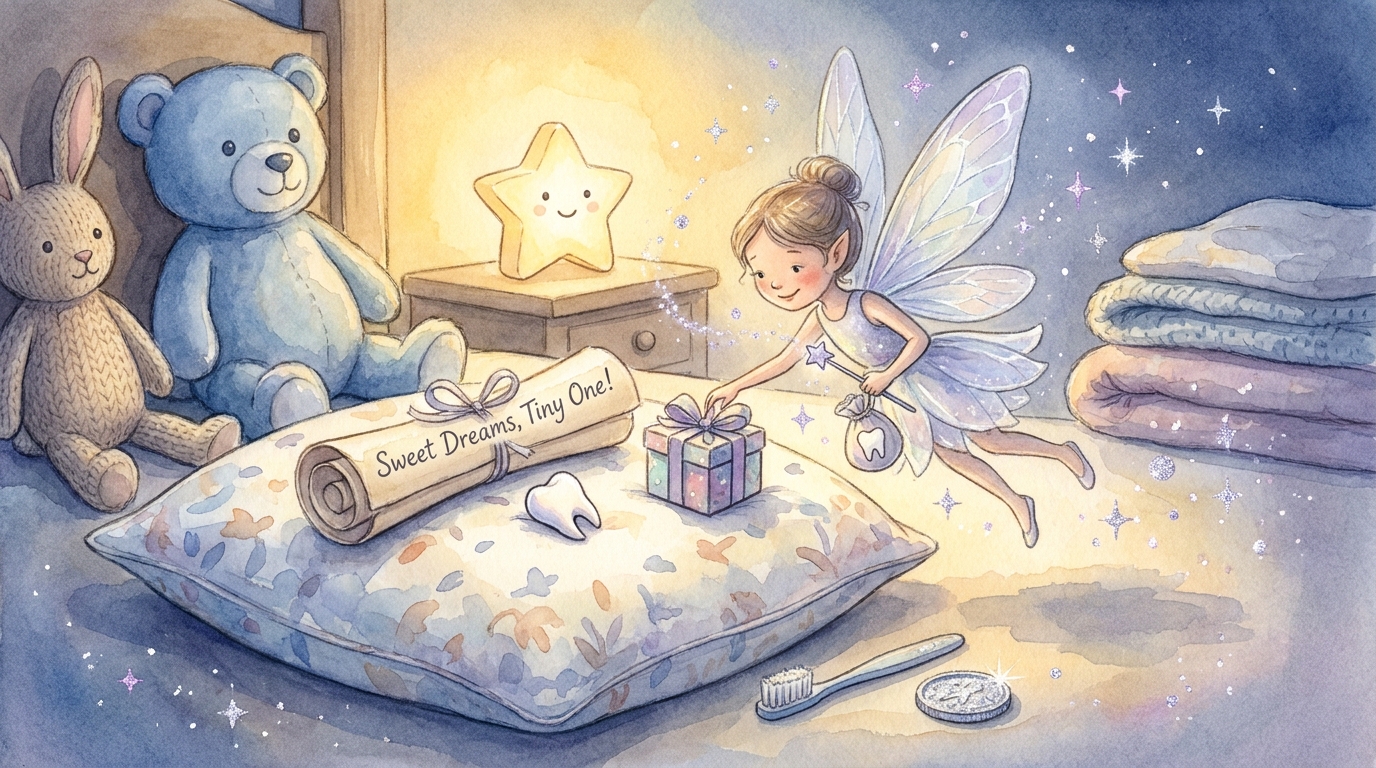
Milestones Matter: This age group is hitting major life milestones. Mentioning a lost tooth, their first day of kindergarten, or a new friendship makes the letter feel incredibly authentic. It proves the Birthday Fairy has been watching their growth closely. If you're looking for other ways to celebrate milestones, you might also consider personalized Easter Bunny letters with child achievements to keep the magic consistent throughout the year.
Sample Language: "I sprinkled a little extra birthday magic on your pillow while you were dreaming about dinosaurs last night. I was so proud to see how hard you practiced your letters this week!"
Older Elementary (Ages 8-10): Sophisticated Magic
As children move into the upper grades, their world expands. They are more aware of social dynamics and have more specialized hobbies. To keep the magic alive for these "last believers," the letters must become more sophisticated. The narrative should shift from simple praise to acknowledging their evolving character and the challenges they've overcome.
Personalization Ideas: Reference specific books they are reading, their progress in a sport, or a difficult math concept they finally mastered. At this age, children appreciate being recognized for their effort and persistence. If a child is going through a tough time or perhaps feeling a bit overwhelmed by the pressure of growing up, a letter can be a source of great comfort. For instance, if they are feeling anxious, you might find inspiration in our guide on writing a Birthday Fairy letter for a child who hates birthdays or feels uneasy about celebrations.
Tone & Narrative: Introduce elements of "Fairy Lore." Mention the "Birthday Fairy Council" or the "Great Library of Birthdays." This adds a layer of world-building that appeals to their more advanced imagination. Acknowledge their maturity: "The Birthday Fairy Council noticed how you helped your friend when they felt left out on the playground. That kind of leadership is the strongest magic of all."
Tweens (Ages 11+): The Magic of Memory
By age 11, most children have moved into a more logical phase of development. However, this doesn't mean the tradition has to end. For many families, the Birthday Fairy letter becomes a cherished ritual—a "wink and a nod" that honors the child they were while celebrating the person they are becoming.
The Shift to Tradition: The letter can transition from a "secret magical visitor" to a heartfelt celebration of their character. You can be honest yet whimsical: "You may wonder if birthday fairies are real—but the magic of celebrating the incredible person you are becoming is very real indeed." Focus on their unique strengths, their sense of humor, and the way they contribute to the family.
When to Conclude: Some families choose to "retire" the fairy on the 12th or 13th birthday, perhaps with a final letter that grants them the status of "Magic Keeper," where they can now help create magic for younger siblings or cousins. Research from Utah State University shows that these kinds of long-standing family rituals provide a sense of stability and identity that is crucial during the transition to adolescence.
Creating Age-Perfect Letters with The Magic Letter Box
Crafting the perfect age-appropriate letter can be time-consuming for busy parents and teachers. This is where The Magic Letter Box comes in. Our platform uses AI designed specifically to adapt its tone and vocabulary based on the age and details you provide.
- For Parents: If you have a 3-year-old and a 7-year-old, you don't want their letters to sound identical. By inputting their specific ages and interests, the platform generates two distinct letters—one simple and sensory, the other milestone-focused and narratively rich.
- For Teachers: The Classroom Edition allows for bulk generation. You can import a CSV roster with student names and ages, ensuring every child in your 2nd-grade class gets a personalized birthday letter that matches their reading level and developmental stage.
Whether you are using our free tier for a one-off celebration or a Family Plan for year-round magic (including Leprechaun letters or scavenger hunt clues), the goal is the same: to make the child feel that they are truly seen by something magical.
Frequently Asked Questions
At what age should I start birthday fairy letters?
Most families begin around age 3 when children can understand the concept and appreciate the magic. However, some start as early as age 2 with very simple messages, or wait until age 4-5 when children can more fully engage with the narrative.
How do I adjust birthday fairy letters as my child gets older?
Gradually increase vocabulary complexity, add more specific personal details, and shift from simple praise to acknowledging character growth and challenges. By ages 8-9, letters can include more sophisticated storytelling while maintaining the magical tone.
Can teachers use personalized birthday fairy letters for different grade levels?
Absolutely. The Magic Letter Box Classroom Edition allows bulk generation with age-appropriate personalization for each student. Teachers can adjust tone and complexity for grades PreK through 5th grade, creating inclusive birthday celebrations that work across developmental stages.
What if my child is starting to question if the birthday fairy is real?
This typically happens around ages 8-10. You can acknowledge their growing understanding while preserving the magic: focus letters on celebrating their growth and character rather than fairy logistics. Some families transition to a "you're old enough to help keep the magic alive for younger kids" approach.
How specific should personalization be for different ages?
Younger children (3-5) respond to simple favorites like colors and toys. Elementary ages (6-8) need more specific achievements and interests. Older children (9+) appreciate detailed recognition of their character, challenges overcome, and unique personality traits that show genuine attention.
Ready to start your own tradition? Visit The Magic Letter Box today to create your first five letters for free!
Written by The Magic Letter Box
Creating magical moments for families through personalized letters and thoughtful parenting resources.