Create Personalized Easter Bunny Letters Celebrating Your Child's Growth
As the winter frost melts and the first daffodils begin to peek through the soil, parents everywhere prepare for the whimsical traditions of spring. While chocolate eggs and hidden baskets are staples of the season, there is a burgeoning tradition that offers something far more lasting than a sugar rush: the personalized Easter Bunny letter. At The Magic Letter Box, we believe that these letters become powerful developmental tools when they acknowledge specific achievements—transforming a seasonal greeting into a meaningful recognition of growth, effort, and character development.
- Why Achievement-Focused Letters Matter More Than Generic Greetings
- Matching Recognition to Your Child's Developmental Stage
- What Achievements to Highlight in Your Letter
- Crafting Achievement Details That Feel Magically Authentic
- Teachers: Using Letters for Classroom Celebrations
- Creating Your Letter in Minutes
- Frequently Asked Questions
Create Magic in Under a Minute
Don't have time for elaborate setups? The Magic Letter Box helps busy parents create personalized, enchanting letters instantly. Get 5 free letters to start, or enjoy unlimited magic for just $15/year!
Why Achievement-Focused Easter Letters Matter More Than Generic Greetings
There is a profound psychological difference between receiving a generic "Happy Easter" and a message that says, "I saw how hard you worked on your math project." Research into the history and traditions of Easter shows it has always been a time of rebirth and new beginnings. By focusing on a child's specific achievements, we align the holiday's theme of renewal with the child's personal evolution.
Generic praise like "you've been a good boy" is pleasant, but it doesn't stick. Specific recognition, however, reinforces a growth mindset. When a beloved character like the Easter Bunny notices a specific act of kindness or a hard-won skill, it validates the effort the child put in. It moves the motivation from extrinsic (doing it for a reward) to intrinsic (the pride of being recognized for growth).
Consider the difference in impact: A child opens a standard card that says, "Hope you have a happy Easter!" They smile and look for the chocolate. Contrast this with a letter that says, "I heard from the spring birds that you've been reading three books every week! Your brain is growing just like the garden flowers." The latter creates a moment of genuine wonder. One parent recently shared that their daughter, who had been struggling with social anxiety, beamed for days after the Bunny mentioned how brave she was for making a new friend at the park.
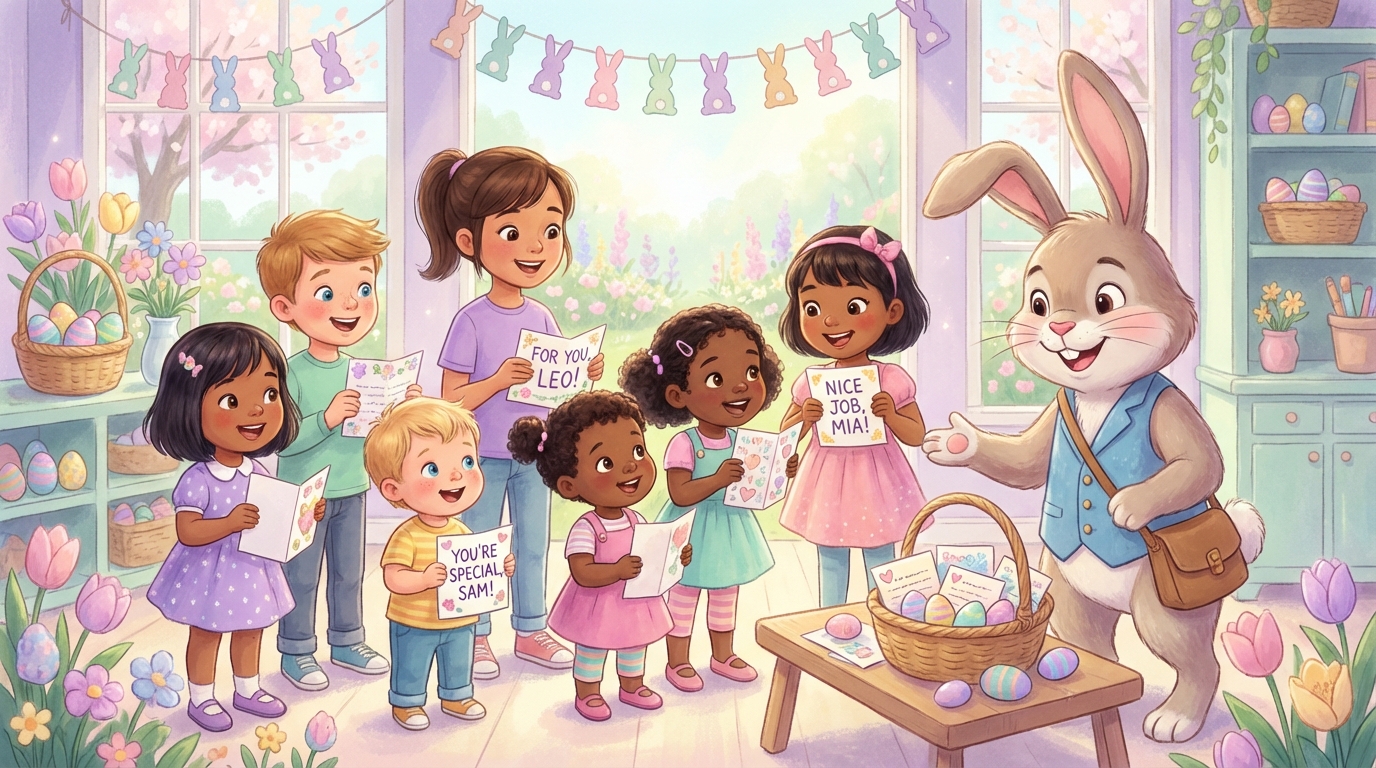
Matching Achievement Recognition to Your Child's Developmental Stage
To make the magic believable and impactful, the achievements mentioned must resonate with where the child is in their life. A toddler's "big win" looks very different from a pre-teen's milestone.
Ages 2-4: Foundational Milestones
For the youngest believers, focus on physical and emotional foundations. Potty training, learning to share toys, or using "big kid words" instead of throwing a tantrum are massive hurdles at this age. Example: "My floppy ears heard that you are doing a wonderful job using the potty! That is a very big-kid thing to do!"
Ages 5-7: Academic Firsts and Social Growth
This is the age of rapid academic expansion. Recognize their progress in reading, their first lost tooth, or their ability to help a friend in class. This age group is particularly responsive to the idea of the Bunny "observing" their world. You might even pair the letter with a custom egg hunt to celebrate their new reading skills.
Ages 8-10: Perseverance and Character
As children grow, achievements become more about internal qualities. Acknowledge when they stuck with a difficult math problem or showed good sportsmanship after losing a game. Example: "I was so proud to hear how you kept practicing your piano even when the songs were tricky. Your perseverance is as bright as a spring morning!"
Ages 11+: Maturity and Responsibility
For older children, the "magic" might feel different, but the need for recognition remains high. Focus on their growing independence, leadership, and how they embody family values. This keeps the tradition alive as a touchstone of parental pride disguised as holiday whimsy.
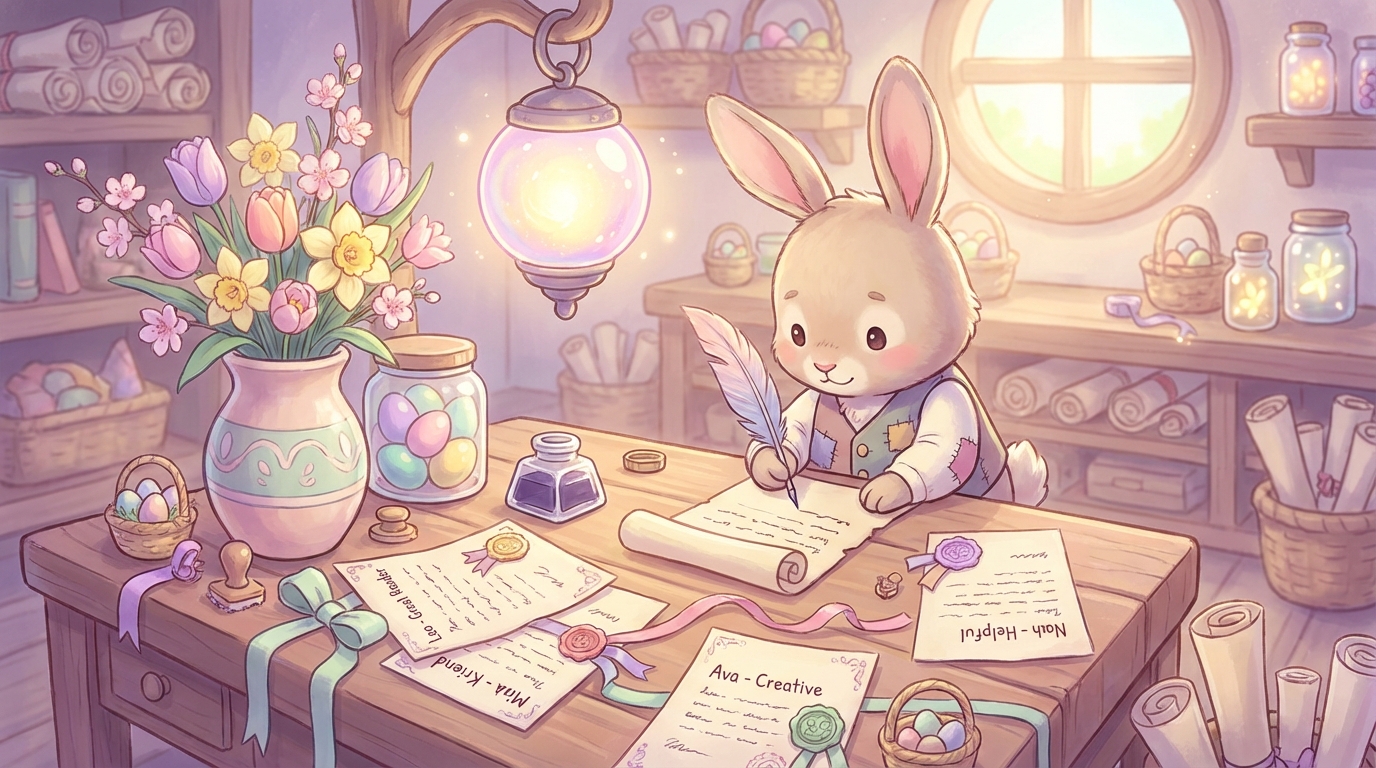
What Achievements to Highlight in Your Easter Bunny Letter
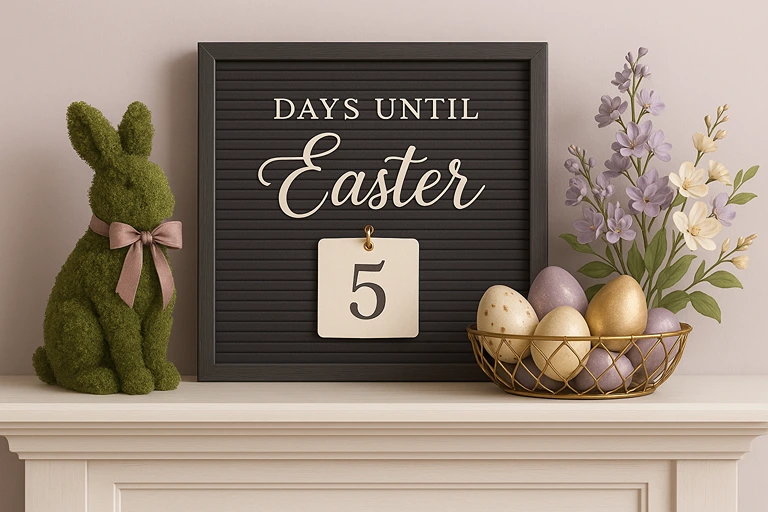
If you're wondering what to include, look beyond the report card. The most impactful letters celebrate the whole child. While you might be counting down with a magical bunny countdown, take that time to observe these categories:
- Character and Values: Did they show honesty when it was difficult? Were they empathetic to a sibling?
- Social-Emotional Growth: Have they improved at managing their temper? Did they include a lonely child at recess?
- Personal Responsibility: Are they feeding the dog without being asked? Is their morning routine becoming more independent?
- Creative and Physical: Celebrate a beautiful painting, a new soccer skill, or the courage to try a new hobby.
For children who may struggle with traditional milestones, such as those with learning differences, focus on effort. The Easter Bunny doesn't care about the grade; he cares about the heart. Celebrating a child who "never gave up" is often more powerful than celebrating a child who found the answer easily.
Crafting Achievement Details That Feel Magically Authentic
The key to a successful personalized letter is the "How did he know?" factor. To achieve this without sounding like a surveillance camera, use the "nature's messengers" approach. The Easter Bunny has a vast network of scouts: robins, butterflies, and even the spring wind.
Instead of saying "I saw you clean your room on Tuesday," try: "A little bluebird flew past your window and chirped to me about how neatly you tucked your toys into their bins. It made my cotton tail twitch with joy!"
Incorporate sensory details. Mention the color of the shirt they were wearing during a big moment or the specific name of the book they finally finished. This grounding in reality makes the magical element feel tangible. For more inspiration on setting the scene, you might check out our guide on creating magical custom messages.
Teachers: Using Personalized Easter Letters for Classroom Celebrations
The classroom is perhaps the most powerful place for achievement-based recognition. Teachers see growth that parents might miss—the social breakthrough, the quiet persistence, or the sudden spark of curiosity. According to historical traditions, spring has always been a time for communal celebration, making it the perfect time for a classroom reward.
Using the Classroom Edition of The Magic Letter Box, teachers can import a CSV roster and generate up to 35 personalized letters in minutes. This allows for an inclusive celebration where every student—regardless of their academic standing—is recognized for a unique strength.
Inclusive Achievement Ideas for Teachers:
- The student who always offers to help clean up.
- The quiet learner who showed great focus during a difficult lesson.
- The student who improved their handwriting or reading fluency.
- The "class comedian" who uses their humor to make others feel welcome.
Creating Your Achievement-Celebrating Easter Letter in Minutes
Creating a deeply personal letter doesn't have to be a multi-hour project. Here is a simple workflow to get it done efficiently:
- Reflect: Think of 2 specific moments from the last month where your child showed growth.
- Details: Add one "real world" detail (a location, a specific toy, or a person involved).
- Voice: Use a tool like our name generator to give your Bunny a fun persona.
- Generate: Use The Magic Letter Box to weave these details into a professional, whimsical template.
- Presentation: Place the letter in an unexpected spot—tucked into a sneaker, resting on a half-eaten carrot, or as the final prize in a creative egg hunt.
Frequently Asked Questions
What if my child hasn't had major achievements recently?
Every child has achievements worth celebrating—they just might not be traditional academic or behavioral milestones. Look for effort, small improvements, acts of kindness, creative expression, or personal courage. The Easter Bunny can celebrate a child who kept trying even when something was hard, who showed empathy to a friend, or who expressed themselves through art or play. Growth comes in many forms, and spring renewal is about honoring all of them.
How specific should I be without making the letter feel like surveillance?
Frame observations through the Easter Bunny's magical helpers—spring birds, garden creatures, or the wind—who 'report' what they've seen. Instead of 'I watched you help your sister,' try 'The robins building nests in your yard told me about the day you patiently helped your sister learn to tie her shoes.' This maintains wonder while acknowledging specific moments. Focus on 2-3 detailed achievements rather than listing everything.
Can I use achievement-based Easter letters for multiple children without it feeling repetitive?
Absolutely—in fact, personalized achievement recognition is what prevents repetitiveness. Each child has unique accomplishments, growth areas, and moments worth celebrating. Siblings will compare letters, so distinct, specific achievements for each child make the magic stronger. Teachers managing 30+ students find that achievement-based personalization is what makes each letter feel special rather than mass-produced.
How do I celebrate achievements for children with learning differences or challenges?
Focus on effort, progress, and character rather than comparing to typical milestones. Celebrate perseverance, creative problem-solving, self-advocacy, or improvement from where they started. A child who struggled with reading all year but now enjoys one specific book series has a beautiful achievement to honor. Frame growth in their own journey, not against others, and the Easter Bunny's recognition becomes even more meaningful.
What's the difference between achievement recognition and pressure to perform?
Achievement recognition celebrates what has already happened and honors effort and character, not just outcomes. It says 'I see the wonderful person you're becoming' rather than 'keep performing to earn approval.' The key is acknowledging growth, trying, and being rather than setting expectations for future performance. The Easter Bunny celebrates who the child is, not what they need to become.
Ready to see your child's face light up with the magic of being truly seen? Start creating your personalized Easter Bunny letter today and turn this spring into a season of celebration and growth.
Written by The Magic Letter Box
Creating magical moments for families through personalized letters and thoughtful parenting resources.