Creative Leprechaun Trap Letter Responses That Delight Kids & Teachers
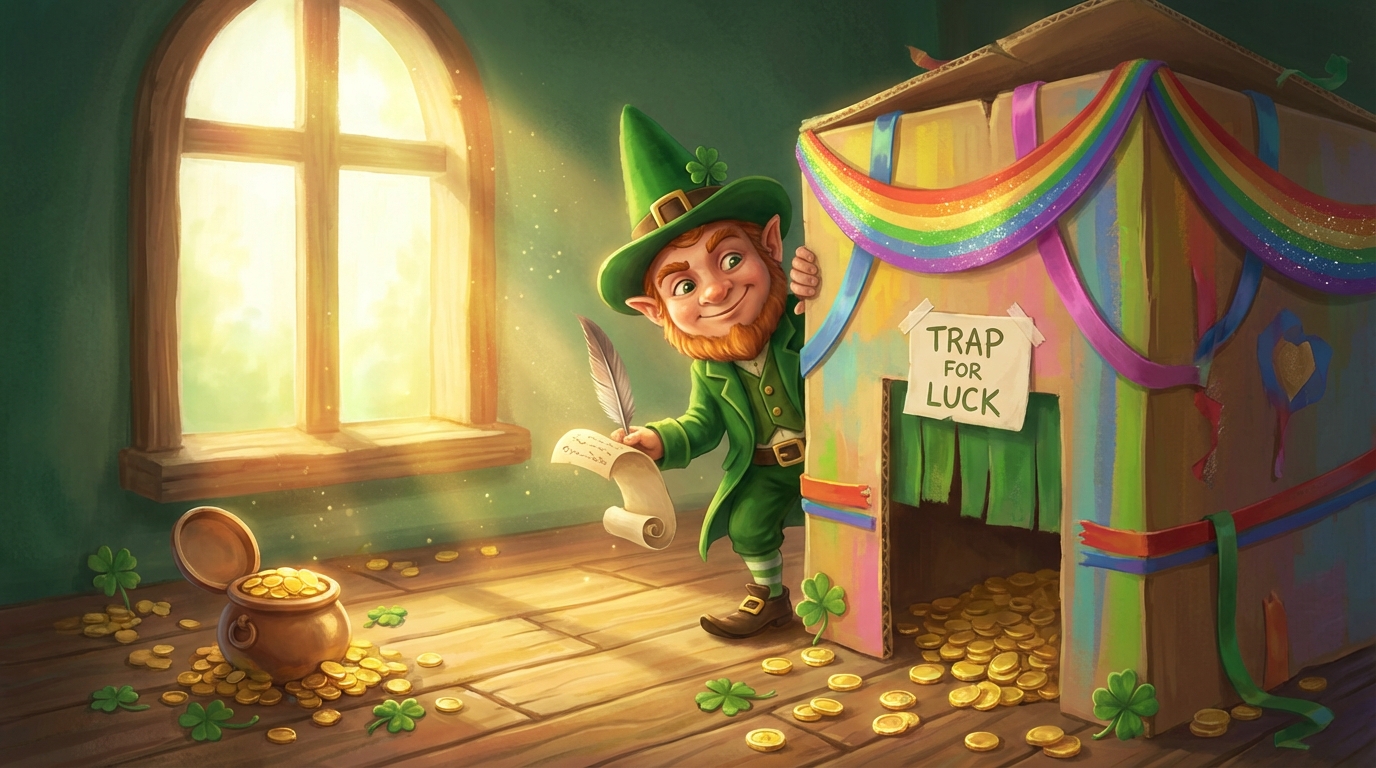
The sun rises on March 17th, and across classrooms and living rooms, a familiar scene unfolds. Children rush toward their carefully constructed traps—engineered from shoeboxes, popsicle sticks, and glitter—only to find a trail of green footprints and an empty cage. But the true magic isn't in the gold coins left behind; it is in the written word. A personalized leprechaun trap letter response transforms a "near miss" into a validation of a child's creativity and hard work.
- Why Leprechaun Trap Letter Responses Matter for Child Development
- Anatomy of an Effective Leprechaun Trap Response Letter
- Age-Appropriate Leprechaun Letter Templates and Strategies
- Classroom Leprechaun Letter Strategies for Teachers
- Adding Mischief Evidence: Beyond the Letter
- Streamlining Leprechaun Letter Creation with AI Tools
- Frequently Asked Questions
Create Classroom Magic in Minutes
Teachers love The Magic Letter Box Classroom Edition! Upload your roster, choose a template, and generate personalized letters for your entire class at once. 10 free trial letters, then just $25/year for unlimited letters for up to 35 students!
Why Leprechaun Trap Letter Responses Matter for Child Development
To an adult, a leprechaun trap is a craft project. To a child, it is a high-stakes engineering challenge. Research in early childhood development suggests that imaginative play is a primary driver of executive function. When children design a trap, they are practicing planning, working memory, and cognitive flexibility.
A personalized response from the "leprechaun" serves as a form of high-value feedback. Personalized student letters have long been shown to boost engagement because they acknowledge the child's specific effort. For a four-year-old, the magic is literal; they process the leprechaun’s mischief as a physical reality. By age nine, while skepticism creeps in, the "near miss" psychology keeps the flame of wonder alive. It validates their attempt while explaining the outcome in a way that encourages them to try a different strategy next year.
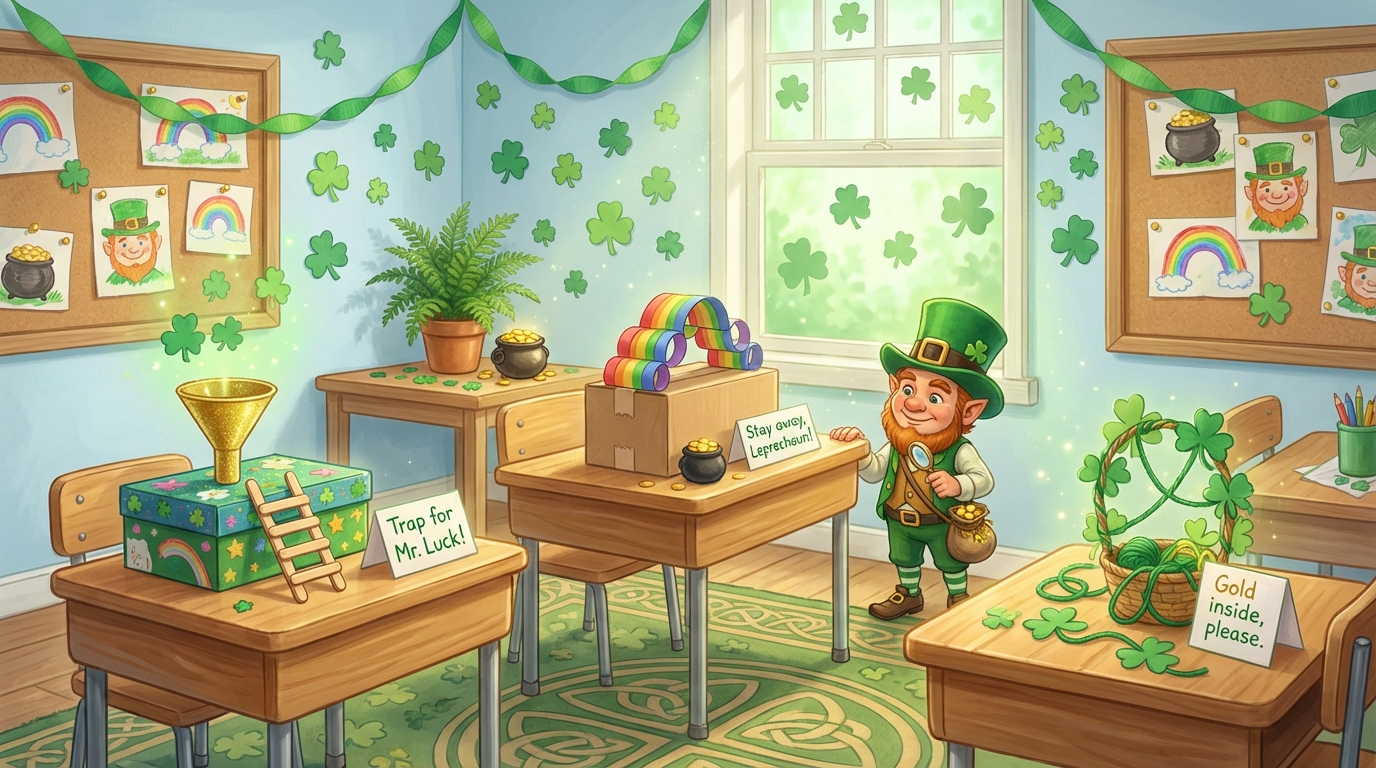
Anatomy of an Effective Leprechaun Trap Response Letter
A great leprechaun letter isn't just a "thank you" note. It needs to be a narrative that fits into the broader history and traditions of St. Patrick's Day. To be effective, every letter should contain three core elements:
- Acknowledgment of Effort: Mention a specific feature of the trap, like a "shiny gold coin" or a "sturdy ladder."
- Mischief Evidence: Explain how the leprechaun escaped (e.g., "I used my magic to shrink right through the air holes!").
- Encouragement: Praise their cleverness to ensure they feel proud rather than defeated.
Tone calibration is essential. For younger children, keep the tone kind and whimsical. For older students, a bit of "cheeky" wit—perhaps teasing them about how close they came—adds a layer of challenge that appeals to their developing sense of humor.
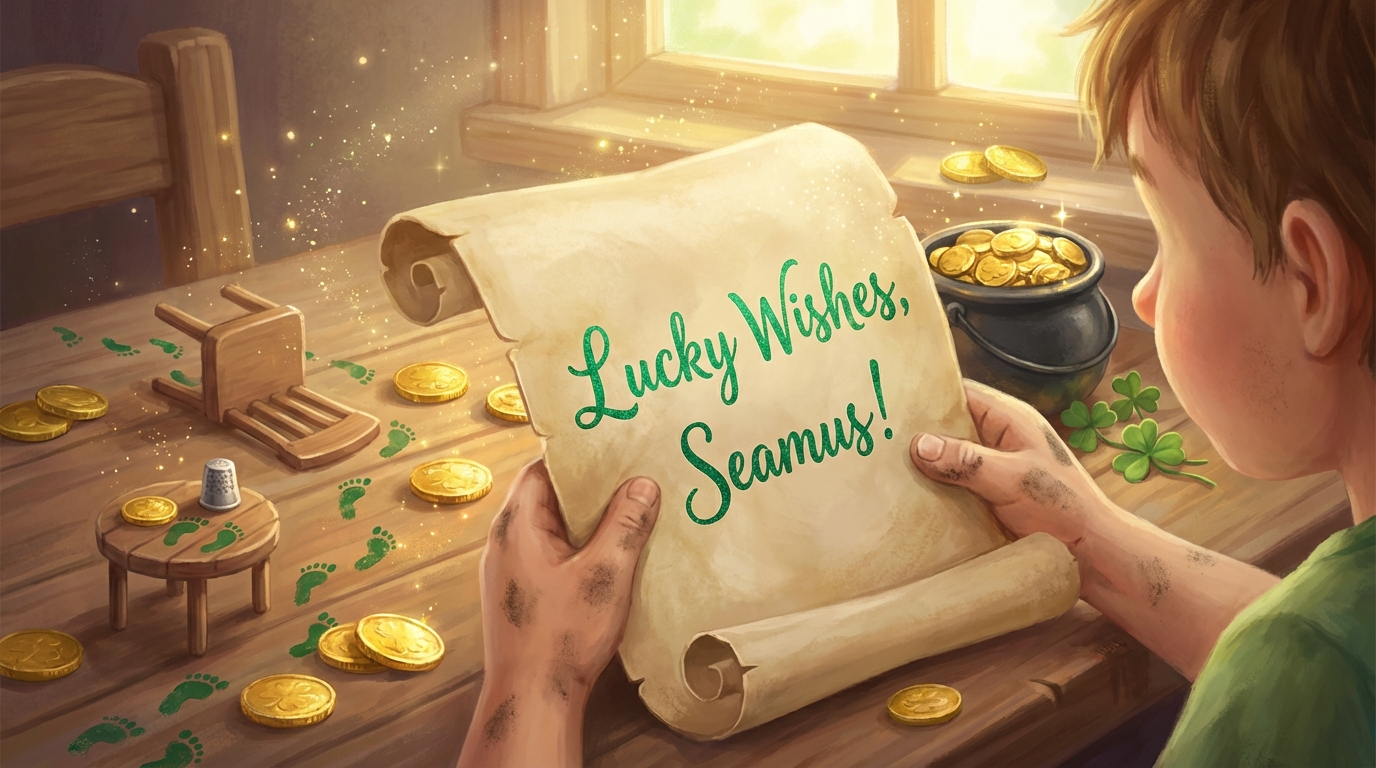
Age-Appropriate Leprechaun Letter Templates and Strategies
Preschool (Ages 3-5): Pure Wonder
At this age, keep it simple. Use large fonts and focus on the magic. Example: "Wow! What a beautiful rainbow slide! I had so much fun sliding down it, but I was too fast for your box to catch me. Here is a treat for being so kind!"
Early Elementary (Ages 6-8): Problem-Solving focus
These students are starting to think about mechanics. Acknowledge their engineering. Example: "I saw that pulley system you built with the string! Very clever. I almost got my hat stuck! You are becoming quite the inventor. Better luck next year!"
Upper Elementary (Ages 9-10): Sophisticated Wit
For the skeptics, use a more "legendary" tone. Reference St. Patrick's Day traditions or Irish folklore to add depth. Example: "An admirable attempt, indeed. Your use of genuine copper for bait was a nice touch, but it’ll take more than a shoebox to catch a leprechaun of my vintage. I appreciate the challenge!"
Classroom Leprechaun Letter Strategies for Teachers
Managing 30 individual traps is a logistical hurdle for even the most organized educator. However, the impact of a personalized note in a classroom setting is immense. For more ideas on managing this, see our Leprechaun Letter for Classroom Parties: Teacher's Guide.
To manage this efficiently, use a "Personalization Data Point" system. On the day students set their traps, have them fill out a tiny "Trap Blueprint" index card listing their bait and one "Special Feature." You can then use these cards to quickly fill in blanks in a master template. One teacher we interviewed uses student drawings as the source; she simply glances at the drawing and mentions one color or material used in her response.
Adding Mischief Evidence: Beyond the Letter
A letter is more believable when accompanied by physical evidence. For home use, simple tricks like green milk or tiny green footprints (made with washable paint or flour) work wonders. In the classroom, you want "low-cleanup" mischief.
- The Topsy-Turvy Chair: Turn just one or two chairs upside down.
- The Hidden Eraser: Hide the whiteboard eraser and leave a note saying the leprechaun wanted to "erase" his tracks.
- The Gold Dust: A tiny sprinkle of green glitter near the trap's exit point.
Streamlining Leprechaun Letter Creation with AI Tools
The time-to-magic ratio is a real concern for busy teachers and parents. This is where modern tools bridge the gap. Instead of spending three hours handwriting 30 unique notes, AI-assisted personalization allows you to maintain the "magic" in a fraction of the time.
With The Magic Letter Box, you can input specific details about a trap—like the fact that it was made of a cereal box and baited with Skittles—and generate a narrative that sounds like it came straight from an Irish hollow. For teachers, the Classroom Edition allows for CSV imports, meaning you can generate a whole class set of unique letters in the time it takes to drink a cup of coffee. This ensures every student feels seen without the teacher feeling burnt out.
Frequently Asked Questions
What should a leprechaun say in a letter if the trap was very simple?
Focus on effort and creativity rather than complexity. Acknowledge specific elements ('Your colorful rainbow caught my eye!') and express playful appreciation for the attempt. Even simple traps deserve enthusiastic responses that encourage future creativity—the goal is to reward participation, not engineering sophistication.
How do I personalize leprechaun letters for an entire classroom efficiently?
Use a template with 3-5 customizable fields (student name, trap material, special feature, bait type, one unique detail). Collect this information through a quick student survey or observation notes, then fill in the blanks. AI tools like The Magic Letter Box can generate unique letters from these data points in minutes, maintaining personalization at scale.
Should leprechaun letters be handwritten or printed?
For younger children (3-6), the content matters more than the format—printed letters work perfectly. For older children (7-10) who might scrutinize details, consider printing in a whimsical font or adding hand-drawn elements like shamrock doodles. Teachers managing classrooms should prioritize personalized content over handwriting—30 unique printed letters beat 30 identical handwritten ones.
How long should a leprechaun trap response letter be?
Match length to reading level: 3-4 sentences (40-60 words) for preschoolers, 6-8 sentences (80-120 words) for early elementary, and up to 150 words for older children who enjoy details. The letter should be long enough to feel personal but short enough to maintain excitement.
What if my child asks if I wrote the leprechaun letter?
This signals growing cognitive development—celebrate their thinking skills while preserving magic gently. You might say, 'What do you think?' to gauge their readiness, or 'Leprechauns sometimes need helpers to deliver their messages.' For children clearly ready to move beyond belief, transition to appreciation of the tradition's creativity and fun.
Creating magical mornings doesn't have to be a source of stress. By focusing on personalization and using the right tools, you can foster a sense of wonder that students and children will remember for years to come. Ready to start your tradition? Explore the Classroom Edition today and make this St. Patrick's Day truly unforgettable.
Written by The Magic Letter Box
Creating magical moments for families through personalized letters and thoughtful parenting resources.