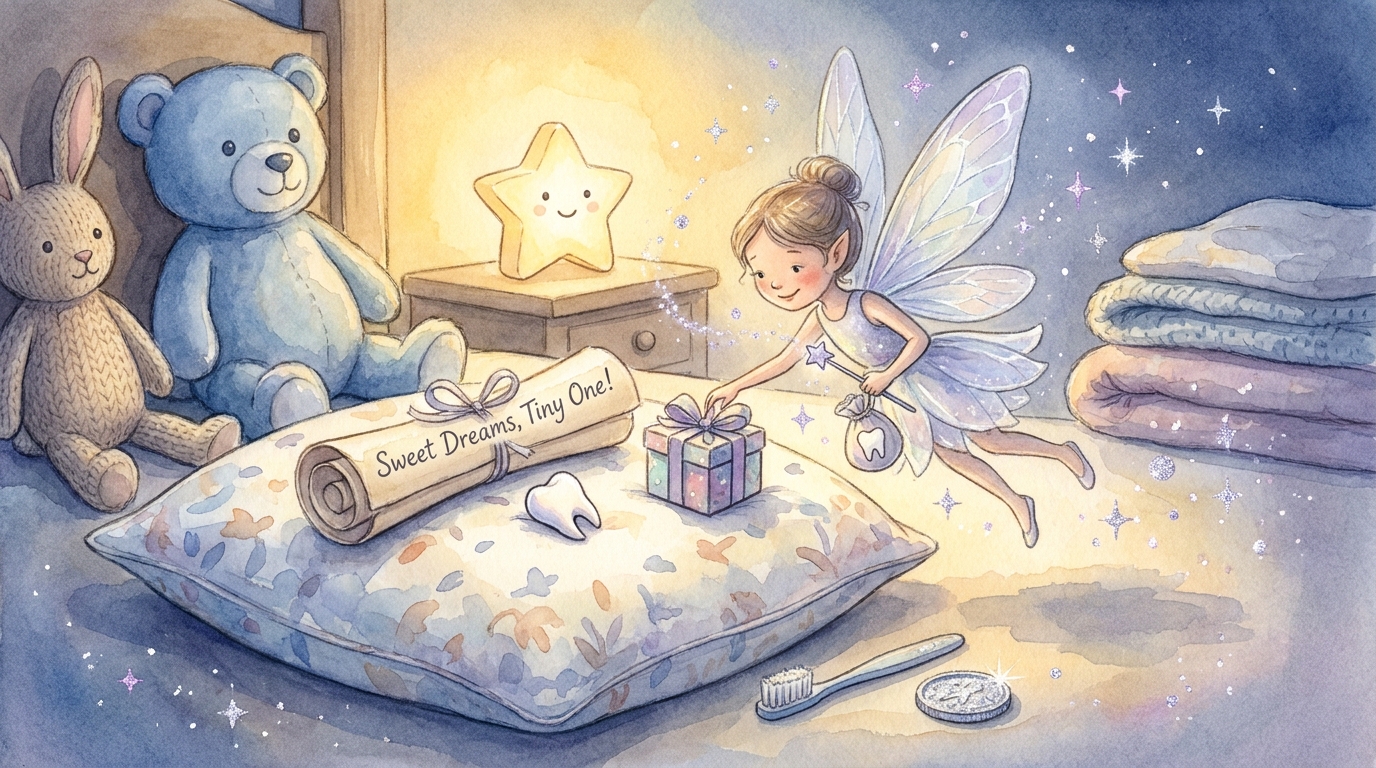
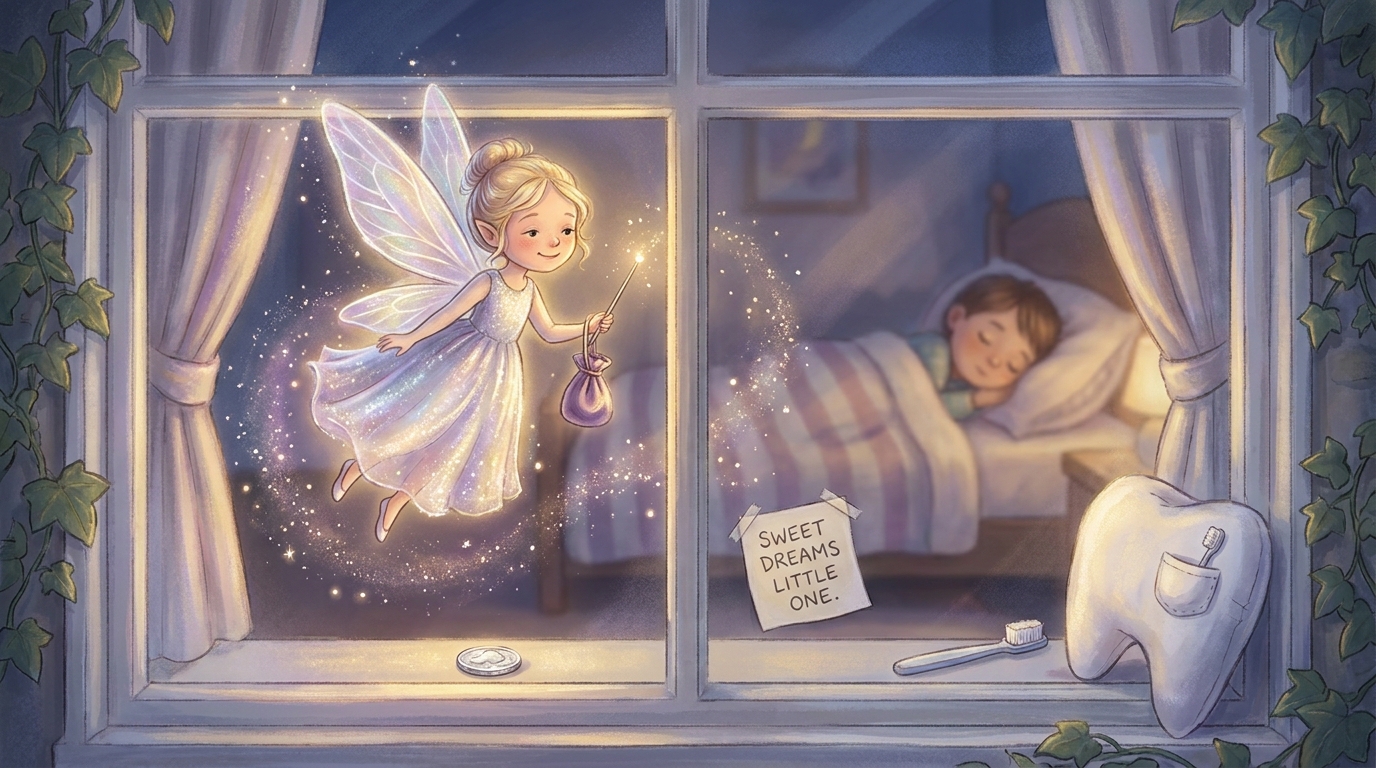
Tooth Fairy Letters for Keeping Brushing Habits Fun (That Actually Work)
Create Magic in Under a Minute
Don't have time for elaborate setups? The Magic Letter Box helps busy parents create personalized, enchanting letters instantly. Get 5 free letters to start, or enjoy unlimited magic for just $15/year!
Why Traditional Brushing Reminders Fail (And What Works Instead)
Every parent knows the nightly ritual: the gentle reminder that turns into a firm request, which eventually spirals into a full-blown bedtime battle. We nag because we care about their dental health, but behavioral psychology tells us that nagging is one of the least effective ways to build a lasting habit. When we nag, brushing becomes a chore performed to stop the noise, rather than a self-care act the child takes pride in.
Traditional rewards, like sticker charts, often suffer from a similar flaw. While they work temporarily, they rely on external validation. Once the stickers stop, the behavior often vanishes. This is where the "Tooth Fairy Surveillance Effect" changes the game. By introducing a magical character who notices the small wins, we shift the motivation from extrinsic (doing it for a sticker) to intrinsic (doing it because they are part of a magical story).
Consider the difference in these two scenarios. In the first, a parent says, "You need to brush your teeth right now or you'll get cavities!" This triggers a stress response. In the second, a child receives a tiny note that says, "The Tooth Fairy noticed your sparkling smile from the clouds today!" Suddenly, the child isn't just cleaning teeth; they are preparing for a VIP guest. The anticipation of future letters creates a feedback loop that makes daily habits exciting.
The 4 Types of Tooth Fairy Letters That Build Brushing Habits
To turn a one-time visit into a habit-forming journey, you need more than just a "thank you for the tooth" note. Using a variety of letter types keeps the magic alive and the motivation high.
1. The Welcome/First Tooth Letter
This is your foundation. It establishes the relationship and sets the "Tooth Fairy Standards." It shouldn't just be about the money under the pillow; it should introduce the Fairy as a mentor who values "pearly whites" and "sparkle power."
2. Progress Check-In Letters
These are the secret weapon for consistency. These letters arrive when no teeth have been lost. They celebrate the mundane.
Example: "I've been watching through my special sparkle mirror, and I saw how you reached those tricky back molars last night! Keep it up!"
3. Challenge Letters
For the reluctant brusher, gamification is key. The Tooth Fairy can issue a "30-Day Sparkle Challenge." If the child brushes twice a day for a month, a special "Fairy Gold" coin or a new sparkly toothbrush might appear.
4. The Gentle Reminder Letter
When habits slip, avoid the "I'm disappointed" tone. Instead, use curiosity.
Example: "I noticed your teeth weren't as shiny as usual this week. Is your toothbrush getting tired? I'll check back soon to see if the sparkle returns!" This creates accountability without the shame of a parental lecture.
Age-Appropriate Messaging: What Works at Each Stage
As children grow, their relationship with magic evolves. According to American Academy of Pediatric Dentistry guidelines, the transition from primary to permanent teeth is a critical window for habit formation. Your letters should reflect their developmental stage.
Ages 4-6: The Magic of Wonder
At this age, focus on sensory details. Use words like "sparkly," "shimmer," and "sweet-smelling." Keep the praise simple and the descriptions colorful. A letter for a 5-year-old might focus on how their "bravery" during brushing makes their teeth strong enough to hold fairy dust.
Ages 7-9: The Science of Responsibility
Older children start to value facts and "insider knowledge." This is the perfect time to weave in dental science. The Tooth Fairy might mention the "enamel shield" or how sugar bugs try to hide in the grooves of their new adult molars. This age group responds well to being treated as a "helper" or a "guardian of the smile."
When the inevitable questions about the Tooth Fairy's authenticity arise, use the letters to focus on the tradition and the feeling of magic. Many parents find that even after a child "knows," they still want the letters because of the emotional connection they provide.
Strategic Timing: When to Send Letters for Maximum Impact
Timing is everything. If you only send letters when a tooth falls out, you miss 90% of the habit-building opportunities. A proactive strategy ensures the Tooth Fairy remains a constant, positive presence.
- The Pre-emptive Strike: Send a letter at age 5 before the first tooth is even loose. Introduce the Fairy and her love for healthy teeth. This sets the stage so the first lost tooth isn't a scary event, but a long-awaited celebration.
- The Mid-Month Surprise: A surprise letter on a random Tuesday can reset a week of bad attitudes. It breaks the routine and reminds the child that their efforts are being noticed even when there isn't a "prize" involved.
- Post-Dentist Celebration: After a checkup, a letter congratulating the child on a "cavity-free report card" reinforces that the dentist and the Tooth Fairy are on the same team.
Personalization Elements That Make Letters Irresistible
The reason generic, store-bought cards often fail is that they lack "The Proof." To a child, the magic is in the fact that the Tooth Fairy actually knows them.
Incorporate specific observations to make the letter feel authentic:
- Mention the color of their new toothbrush.
- Reference a specific event, like "I saw you brushed even after that big slice of birthday cake!"
- Use their nickname or mention a pet who was sleeping nearby during the tooth-gathering mission.
Personalization doesn't have to be time-consuming. Using modern tools allows you to input these small details—like a favorite toothpaste flavor or a recent achievement—and generate a beautifully written, magical narrative in seconds.
Creating Your Tooth Fairy Letter Strategy in 5 Minutes
You don't need to be a professional writer to be a Tooth Fairy. Here is a simple 5-minute workflow to keep the magic alive without the stress:
- Keep a Note: Use a simple note file on your phone to jot down "Brushing Wins" (e.g., "Brushed without being asked on Wednesday").
- Use an AI Generator: Tools like The Magic Letter Box allow you to plug in those notes and get a custom letter instantly.
- Schedule Your Check-ins: Set a recurring calendar reminder once every 4 weeks to leave a "Progress Note."
- Pair with Small Rewards: Don't just do money. Pair a letter with a new flavor of floss or a fun timer to make the physical reward match the dental theme.
Frequently Asked Questions
Between lost teeth, send letters every 3-4 weeks to maintain engagement without oversaturating. Strategic timing includes after dental checkups, during brushing resistance phases, or as monthly check-ins celebrating consistent habits.
Effective letters combine specific praise ("I noticed you brushed for the full two minutes three nights this week"), gentle observations ("Your molars could use a bit more attention"), and forward-looking encouragement. Avoid scolding—focus on what they're doing right.
Most children naturally transition away from Tooth Fairy belief between ages 8-10. Watch for your child's cues—if they're still excited to receive letters, continue. When interest wanes, you've already built the habit foundation.
Yes—letters shift the dynamic from parent-child conflict to child-character relationship. Start with a welcoming letter that acknowledges brushing can be tricky and introduces the Tooth Fairy as a helper.
Use AI letter generators like The Magic Letter Box that prompt you for key details and create personalized letters in under 2 minutes. The tool handles the creative writing while you provide the personal touches.
Ready to transform your nightly routine? Start building better habits today by creating your first personalized message at The Magic Letter Box.
Written by The Magic Letter Box
Creating magical moments for families through personalized letters and thoughtful parenting resources.