Creative Easter Traditions for Kids: Making Magical Memories Together
Easter is that special time of year when childhood wonder blossoms alongside spring flowers. As parents, we're always looking for ways to create those magical moments our children will treasure forever. The right Easter traditions can transform an ordinary Sunday into an enchanted experience that builds family bonds and creates lasting memories.
Create Magical Childhood Moments Year-Round!
The Magic Letter Box helps busy parents craft personalized letters for ALL of childhood's special moments:
🐰 Easter Bunny • 🎅 Santa Claus • 🦷 Tooth Fairy
☘️ Leprechaun • 🧝♂️ Holiday Elf • 🎂 Birthday Fairy
📚 First/Last Day of School • ✨ And more!
Save time while preserving childhood wonder. Each letter is personalized with your child's name, interests, and accomplishments - all created in under a minute!
✨ Start with 5 FREE magical letters
✨ Unlimited letters for just $15/year
✨ 100's of customizable templates
✨ Print instantly or save for later
What You'll Discover
Traditional Easter Activities Children Love
While Easter celebrations vary around the world, certain activities have become beloved staples that children eagerly anticipate year after year. Let's explore these cherished traditions and how to make them extra special.
Easter Egg Hunts: Tips to Make Them Magical
The Easter egg hunt is perhaps the most iconic Easter tradition for children. There's something universally enchanting about the search for colorful treasures hidden by a mysterious bunny visitor. The anticipation, the excitement of discovery, and the reward at the end create a perfect formula for childhood joy.
Create a treasure map with picture clues for younger children or written riddles for older ones. This adds an element of problem-solving that extends the fun beyond simply finding eggs. For ready-made options, check out our Easter Egg Hunt Clue Generator that creates age-appropriate clues for both indoor and outdoor hunts.
Color-code eggs by assigning specific colors to each child to ensure everyone finds an equal share. This simple strategy prevents tears and disappointments, especially in households with children of different ages and abilities.
Include "special" golden eggs with prize tickets inside for larger gifts or experiences. These become the most exciting finds of all and add an extra layer of anticipation to the hunt.
For older children, try a nighttime hunt with glow-in-the-dark eggs. The thrill of searching in the darkness with flashlights creates a completely different experience that appeals to adventure-seeking tweens and teens.
Plant "magic" jelly beans the night before that "grow" into lollipops overnight. This small touch of whimsy reinforces the magical nature of Easter and delights younger children.
Looking for even more creative hunt ideas? Explore our collection of 25 Creative Easter Egg Hunt Ideas for inspiration that goes beyond the basics.
Easter Basket Traditions and Creative Ideas
Easter baskets have evolved from simple containers of treats to elaborate gifts that reflect a child's personality and interests. They've become a canvas for parental creativity and a way to show children how well they're known and loved.
Theme baskets based on current interests can make Easter morning feel especially personal. Whether your child loves dinosaurs, princesses, sports, or art supplies, incorporating these passions makes the basket feel custom-made just for them. For inspiration and ideas for children of all ages, explore our guide to Creative Easter Basket Ideas.
Experience-based gifts add a dimension that lasts beyond Easter Sunday. Tickets to a show, museum passes, or swim lessons tucked into plastic eggs give children something to look forward to and create additional opportunities for family bonding.
Growing gifts such as seed kits, small plants, or butterfly hatching kits symbolize spring renewal and teach children about nature and nurturing. These gifts continue to provide joy and learning long after Easter has passed.
Consider basket alternatives that become part of the gift itself. Rain boots filled with goodies, toy dump trucks loaded with treats, or beach pails brimming with summer essentials add functionality to the traditional basket concept.
Book bundles with Easter or spring-themed stories create quieter moments amid the excitement of Easter morning and promote literacy. These can become cherished additions to bedtime reading routines in the weeks following Easter.
The Joy of Easter Bunny Letters and Notes
One of the most magical Easter traditions is evidence that the Easter Bunny visited. Beyond the hidden eggs and filled baskets, personalized communication from this mysterious visitor creates an immersive experience for children that enhances their sense of wonder.
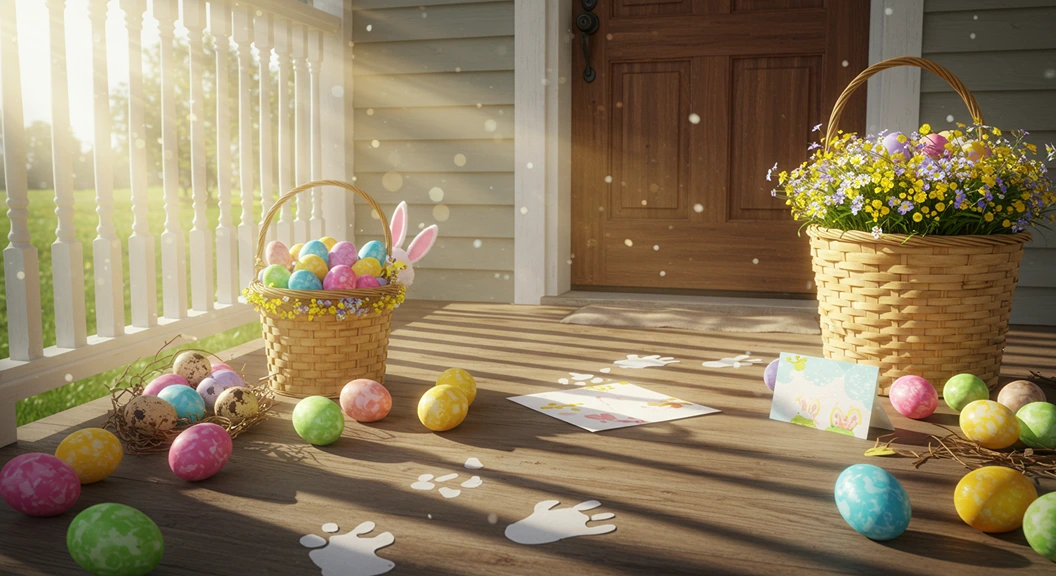
Bunny footprints trailing through your home create an irresistible story. Make them with baking soda, powder sugar, or cut out paper templates. Our Easter Bunny Evidence Creator offers free printable footprints, notes, and certificates to make this process easy and authentic-looking.
Leave a half-eaten carrot on a plate near their Easter basket. This simple detail adds authenticity to the Easter Bunny's visit and sparks children's imagination about the bunny's midnight snack.
A special note thanking children for being kind or acknowledging specific good deeds makes them feel seen and appreciated. When the Easter Bunny mentions something specific about their recent behavior or accomplishments, the magic becomes deeply personal.
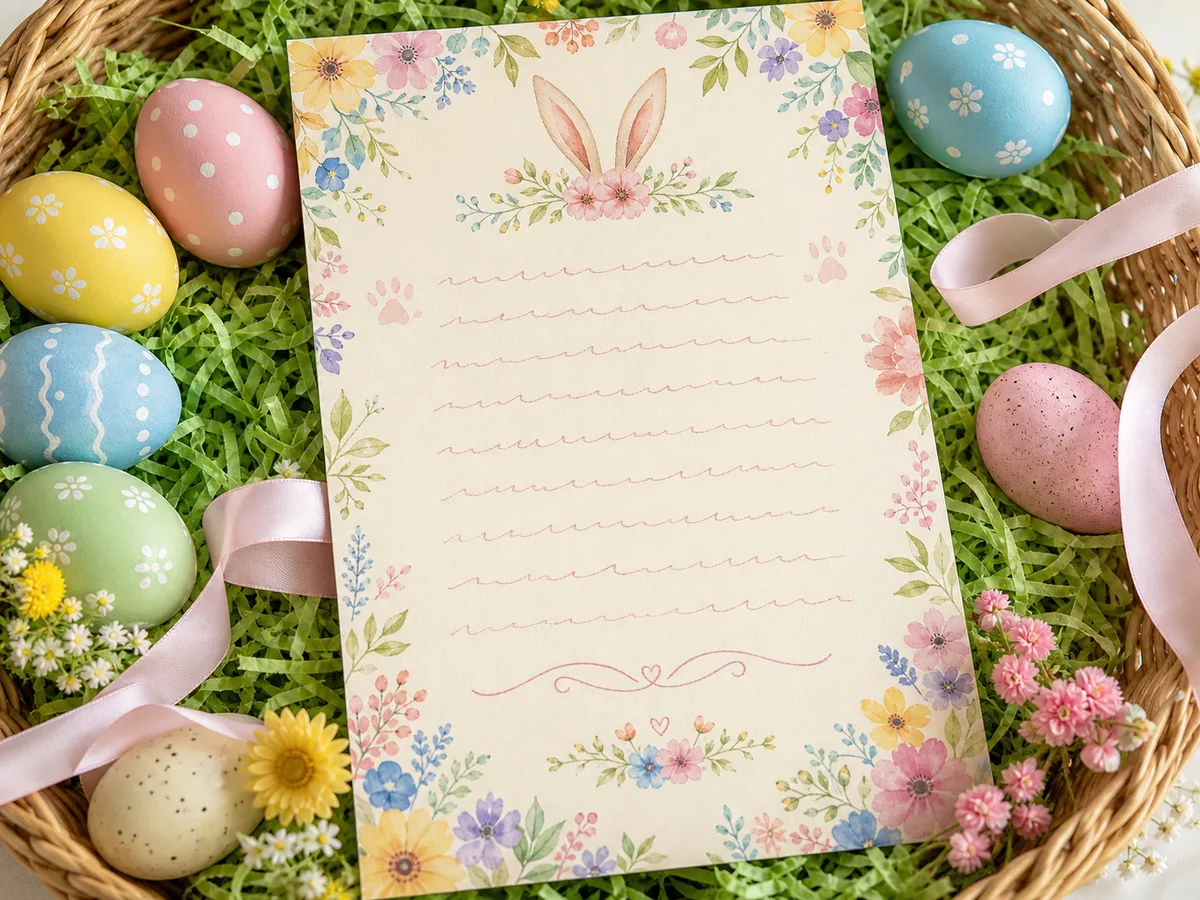
A personalized letter addressing questions they might have about the Easter Bunny creates a dialogue between your child and this beloved character. Children often wonder about how the Easter Bunny carries all those eggs or visits so many houses in one night, and thoughtful answers satisfy their curiosity while preserving the enchantment.
Creative Easter Crafts and Activities for Different Ages
Crafting together creates both beautiful decorations and lasting memories. Here are age-appropriate Easter craft ideas that children will love.
Easter Crafts for Toddlers and Preschoolers (Ages 2-5)
Young children need simple projects with minimal steps and maximum sensory appeal. At this age, the process is more important than the finished product, and messy exploration is how they learn best.
Handprint bunnies using paint and paper create sweet keepsakes that capture your child's growth. Little ones love the sensory experience of paint on their hands, and parents treasure these momentary impressions of tiny palms.
Egg stamping with potato halves cut into simple shapes allows even the youngest crafters to create patterns and designs. The chunky "stamps" are easy for small hands to grasp and manipulate.
Tissue paper eggs offer a chance to practice fine motor skills. Children can glue small tissue squares onto egg-shaped cutouts, creating colorful mosaics that sparkle in the sunlight when hung in windows.
Cotton ball bunnies with googly eyes and drawn-on features appeal to children's love of soft textures. The combination of fluffy cotton, sticky glue, and wiggly eyes creates an engaging multisensory experience.
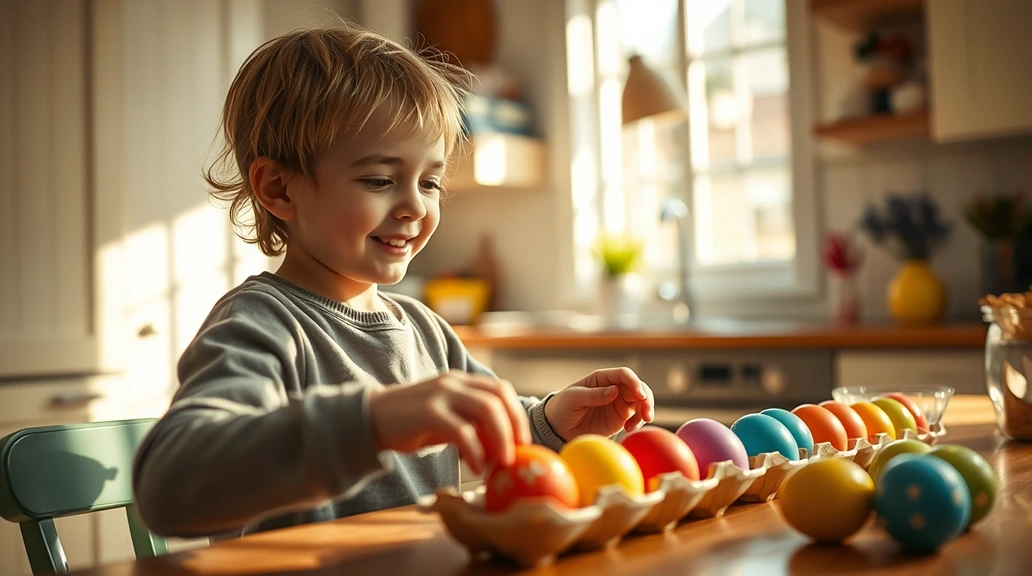
Simple egg dyeing using food coloring and white vinegar introduces children to the magic of color transformation. The look of wonder on a toddler's face when a white egg becomes vibrant blue or pink is priceless.
Fun Easter Activities for School-Age Children (Ages 6-10)
Children in this age range can handle more complex projects and often enjoy the challenge:
- String art eggs using yarn on cardboard templates
- Paper mache Easter baskets customized with paint and embellishments
- Marbled eggs using shaving cream and food coloring
- Salt dough ornaments shaped like bunnies, eggs, or chicks
- Bunny face masks with moving parts for dramatic play
- Egg decorating with wax resist techniques or natural dyes
Easter Traditions for Tweens and Teens (Ages 11-18)
Older children might roll their eyes at the Easter Bunny, but they can still enjoy age-appropriate activities:
- Intricate egg decorating techniques like Ukrainian pysanky (wax-resist method)
- Easter-themed baking with advanced decorating
- Designing elaborate egg hunts for younger siblings or neighborhood children
- Easter photography challenges capturing spring moments
- Easter movie marathon with themed snacks
Easter Food Traditions to Share with Children
Food traditions create powerful sensory memories that children will associate with Easter for years to come. Involving kids in preparation makes these traditions even more meaningful.
Kid-Friendly Easter Treats and Recipes
These simple recipes allow children to participate while creating festive treats:
- Easter nest cookies made with chocolate and shredded wheat or coconut
- Rice Krispie treat eggs shaped and decorated with colorful frosting
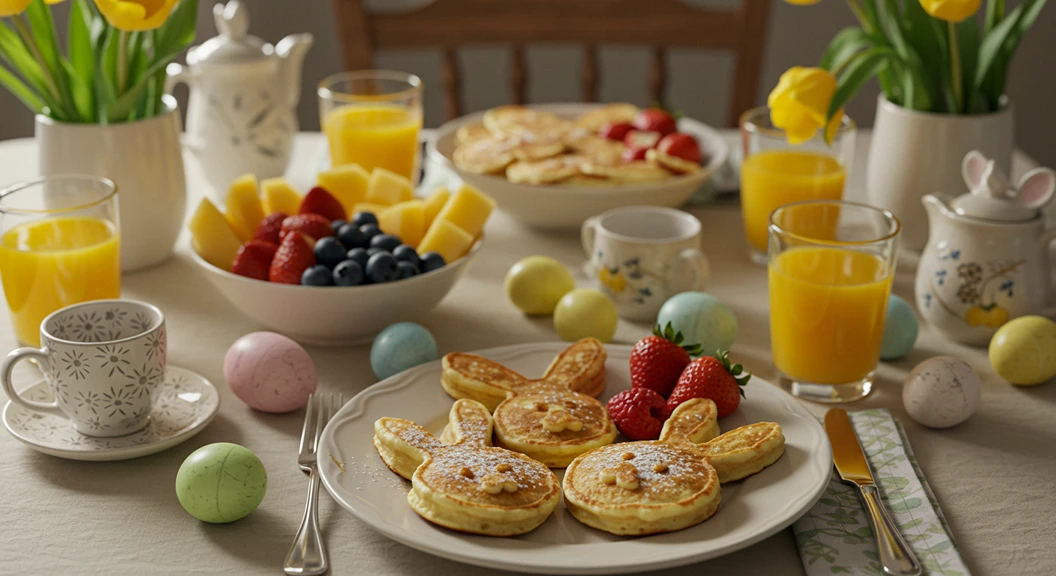
- Bunny pancakes with fruit features for Easter morning
- Carrot-shaped strawberries dipped in orange-tinted white chocolate
- Resurrection rolls that tell the Easter story (marshmallow "disappears" during baking)
- Egg-shaped sandwiches cut with cookie cutters for Easter picnics
Easter Breakfast and Brunch Traditions
Start the day with special meals that become anticipated traditions:
- Easter sunrise breakfast with special tableware and decorations
- Bunny-shaped cinnamon rolls (separate some dough to form ears)
- Rainbow fruit platter arranged in colorful arcs
- Egg-in-a-hole toast with cookie cutters to create spring shapes
- Easter morning picnic outdoors if weather permits
Creating Meaningful Easter Traditions Beyond Candy
While treats and egg hunts create immediate joy, incorporating traditions with deeper meaning cultivates values that last well beyond Easter Sunday. These activities offer opportunities for children to develop empathy, cultural awareness, and a sense of connection with their community and the natural world.
Easter Service Projects and Giving Back
Teaching children the joy of giving helps develop empathy and gratitude. Easter provides a perfect opportunity to look beyond our own celebrations and consider how we might bring joy to others.
Easter basket donations for shelters or children's hospitals share the magic of the season with those who might otherwise miss out. Having your children help select items for these donation baskets makes the giving more meaningful and personal.
Spring cleaning with purpose transforms a chore into an act of kindness. Gather outgrown clothes and toys to donate, explaining to children how their once-loved items will bring happiness to other children.
Visiting elderly neighbors with homemade Easter cards or treats bridges generational gaps and teaches children the value of community connection. The simple gift of time and attention often means more than any store-bought present.
Planting flowers in community spaces or for someone who could use cheering up teaches children about beautification and caring for shared environments. The flowers become a lasting reminder of their contribution.
Creating care packages for essential workers in your community acknowledges those who serve others. Children can decorate the packages and include notes of appreciation along with treats or small gifts.
Easter Story Traditions and Books
Stories create context and meaning for holiday celebrations:
- Building an Easter book collection to read throughout the season
- Creating an Easter story basket with symbols that represent different parts of the Easter story
- Easter evening storytelling where family members share their favorite Easter memories
- Exploring Easter traditions from around the world through books and activities, similar to how teaching children about global holidays expands their cultural awareness
Making Easter Special for Children of Different Ages
Easter traditions naturally evolve as children grow. Here's how to keep the magic alive through different developmental stages:
Easter Magic for Babies and Toddlers (0-3 years)
For the youngest celebrants, Easter should be gentle and sensory-rich rather than overwhelming. Focus on simple joys and tactile experiences:
- Soft, stuffed Easter toys instead of candy
- Textured touch-and-feel books with Easter themes
- Simple egg "hunts" with eggs in plain sight
- Photo opportunities with spring flowers or gentle animals
- Finger painting with pastel colors on egg-shaped paper
- Sensory bins filled with bird nest materials, plastic eggs, or spring-themed items
Easter Wonder for Young Children (4-7 years)
The early elementary years represent the peak age for Easter magic and imagination. During this developmental stage, children fully embrace the wonder while beginning to participate more actively in traditions:
- Easter Bunny footprints and evidence of visits
- Personalized Easter Bunny letters that address their specific questions and interests
- Traditional egg hunts with age-appropriate challenges
- Simple cooking projects like decorating bunny-shaped cookies
- Storytelling that explains Easter traditions in child-friendly language
- Nature walks to observe signs of spring renewal and rebirth
Easter Experiences for Older Children (8-12 years)
As critical thinking develops and children begin questioning magical elements, shift toward meaningful activities and increased participation. These transitional years call for traditions that acknowledge growing maturity while preserving the joy of celebration:
- More complex Easter crafts and cooking projects that build skills
- Learning the history and cultural significance behind Easter traditions
- Taking on helper roles in creating magic for younger siblings
- Easter-themed science experiments like growing spring plants or crystal eggs
- Research projects about spring celebrations around the world
- Family discussions about renewal, hope, and growth
Easter Connections for Teens (13+ years)
Focus on meaningful traditions that respect their maturity while maintaining family connections. Teenagers often appreciate having input into how traditions evolve and taking ownership of certain aspects of the celebration:
- Easter cooking and baking challenges that showcase their developing skills
- Creating elaborate hunts for younger siblings or neighborhood children
- Community service projects related to spring renewal
- Teen-appropriate Easter baskets with age-specific items (tech accessories, gift cards, beauty products)
- Leadership roles in family celebrations or religious observances
- Creative projects like filming a family Easter documentary or creating a digital scrapbook
Preserving Your Easter Memories
The Easter traditions you create today become the cherished memories of tomorrow. Consider these ways to preserve your special moments:
- Annual Easter photos in the same location to see how children grow
- Easter journal where family members record favorite moments each year
- Saving special Easter artwork and crafts in dedicated memory boxes
- Creating photo books of Easter celebrations through the years
- Collecting Easter Bunny letters that chronicle your child's growth and interests
Making This Easter Magical
As you plan for this year's Easter celebration, remember that the heart of any tradition lies in the connections it fosters and the values it expresses. While colorful eggs and chocolate bunnies create immediate delight, it's the thoughtful rituals and shared experiences that children will remember long after the candy is gone.
Whether you're dyeing eggs using generations-old family techniques, establishing new traditions that reflect your unique family culture, or blending elements from various cultural celebrations, the intention behind your Easter activities matters more than their perfection. Children treasure consistency, involvement, and the sense that this day is special in your family.
This Easter, consider which traditions will create not just momentary happiness, but lasting memories and values that your children might one day pass on to the next generation. After all, the most meaningful traditions are those that connect us—to our heritage, to each other, and to the perennial themes of renewal and hope that Easter represents.
Frequently Asked Questions About Easter Traditions
When is the best time to start Easter traditions with children?
You can begin introducing simple Easter traditions when children are as young as 1-2 years old, though they'll primarily experience the sensory aspects like bright colors and interesting textures. By ages 3-4, children develop enough cognitive understanding to anticipate and participate more fully in traditions. The beauty of family traditions is that they can evolve alongside your children, growing more complex and meaningful as they mature.
How do I explain the Easter Bunny to my child?
For young children, keep explanations simple and magical: "The Easter Bunny is a special friend who brings treats and eggs to celebrate springtime and new beginnings." As children grow and ask more detailed questions, you can elaborate on the symbolism: rabbits represent fertility and new life, and eggs symbolize rebirth and possibilities. When children begin questioning the Easter Bunny's reality, follow their lead—some children enjoy maintaining the magic even after they suspect the truth.
How can we make Easter special without focusing on candy and sugar?
Focus on experiences rather than treats: egg decorating competitions, spring nature walks, planting seeds, or Easter-themed craft projects. Fill Easter baskets with small toys, books, art supplies, outdoor play equipment, or tickets to upcoming events. Create Easter morning treasure hunts with clues leading to a special family experience rather than candy. Additionally, emphasize the spring renewal aspects with activities like bird watching, flower identification, or butterfly gardens.
How do we balance secular Easter traditions with religious observances?
Many families successfully blend both aspects of Easter by being intentional about the timing and meaning of different activities. Consider separating religious observances from secular celebrations—perhaps holding egg hunts and Easter Bunny activities on Saturday while reserving Sunday for religious services and reflection. Use both as opportunities for meaningful conversations about your family's values, the symbolism behind different traditions, and the diverse ways Easter is celebrated worldwide.
How do we include children with special needs in Easter traditions?
Adapt traditions to accommodate each child's specific needs and abilities. For sensory-sensitive children, consider quiet egg hunts with visual rather than auditory clues, or use color-coding to reduce competition. For children with mobility challenges, place eggs at accessible heights or create tabletop hunt experiences. For children with dietary restrictions, use non-food items or specialized treats that meet their needs. The key is customization—modify traditions to ensure every child can participate successfully while maintaining the core elements that make the celebration special.
Written by Kim
Creating magical moments for families through personalized letters and thoughtful parenting resources.