The Science Behind Magical Thinking in Childhood
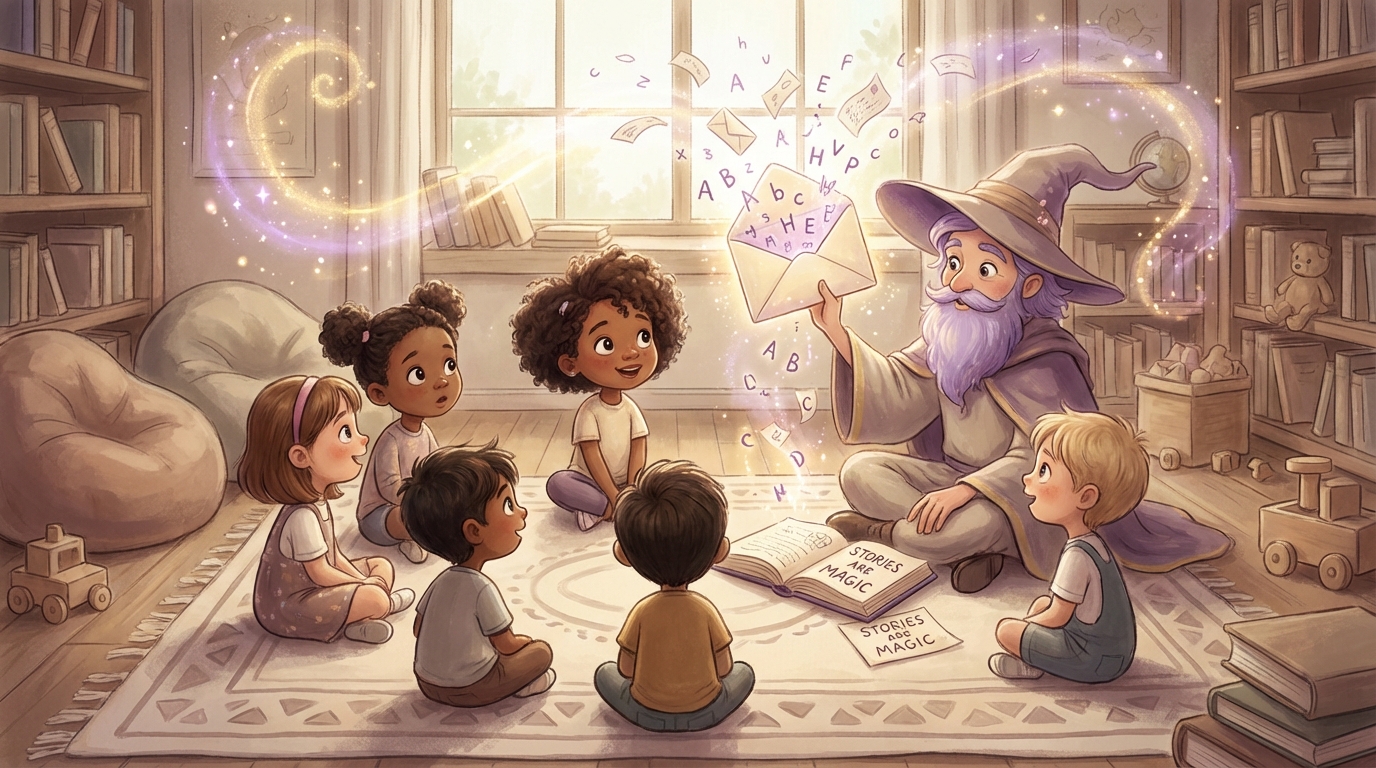
Table of Contents
For a child, the world is a place where anything is possible. A backyard bush might be a dragon’s nest, a loose tooth is a currency for a fairy exchange, and a letter from a magical character is a direct line to a larger, more wondrous universe. As parents and educators, we often find ourselves caught between wanting to preserve this innocence and worrying if we are "misleading" our children.
However, developmental psychology tells a different story. Far from being a mere distraction or a "lie," magical thinking is a critical cognitive milestone. It is the engine of early childhood development, powering everything from abstract reasoning to emotional resilience. At The Magic Letter Box, we believe that nurturing this wonder isn't just about fun—it's about giving children the mental tools they need to navigate the real world.
Create Classroom Magic in Minutes
Teachers love The Magic Letter Box Classroom Edition! Upload your roster, choose a template, and generate personalized letters for your entire class at once. 10 free trial letters, then just $25/year for unlimited letters for up to 35 students!

What Magical Thinking Actually Means in Child Development
In the world of developmental psychology, specifically within Jean Piaget’s stages of cognitive development, magical thinking is a hallmark of the preoperational stage (typically ages 2 to 7). During this time, children believe that their thoughts, actions, or words can influence the physical world in ways that defy logic or physics.
It’s important to distinguish this from a concerning disconnect from reality. Healthy magical thinking is a collaborative exploration. A 4-year-old might believe their teddy bear has feelings and needs a blanket to stay warm, but they still understand that the bear doesn't eat real dinner. This "double-mindedness" allows them to practice empathy and caretaking in a safe, imaginative space.
Parents often worry that by participating in the myth of the Tooth Fairy or Santa, they are lying. However, HealthyChildren.org notes that imaginative play is a vital sign of a healthy mind. While a 3-year-old genuinely believes magic makes things happen, an 8-year-old is beginning to look for the "how" behind the magic. This shift is a sign of growing critical thinking, not a failure of the imagination.
Cognitive Benefits: How Magical Thinking Builds Brain Power
Magical thinking is essentially a workout for the brain’s executive functions. When a child engages with a magical narrative, they aren't just "pretending"; they are practicing complex cognitive tasks.
Symbolic Thinking and Metaphor
Believing that a letter from a Leprechaun is "real" requires symbolic thinking—the ability to let one thing represent another. This is the exact same skill needed for reading (where shapes represent sounds) and math (where symbols represent quantities). By engaging with leprechaun trap letter responses, children are practicing the decoding of meaning and narrative.
Problem Solving and "What If" Scenarios
Magic provides a low-stakes environment for hypothetical reasoning. When a child asks, "How does Santa fit down the chimney?", they are actually practicing physics-based inquiry and cause-and-effect reasoning. They are testing the boundaries of the possible, which is the foundation of scientific inquiry.
Emotional and Social Development Through Magic
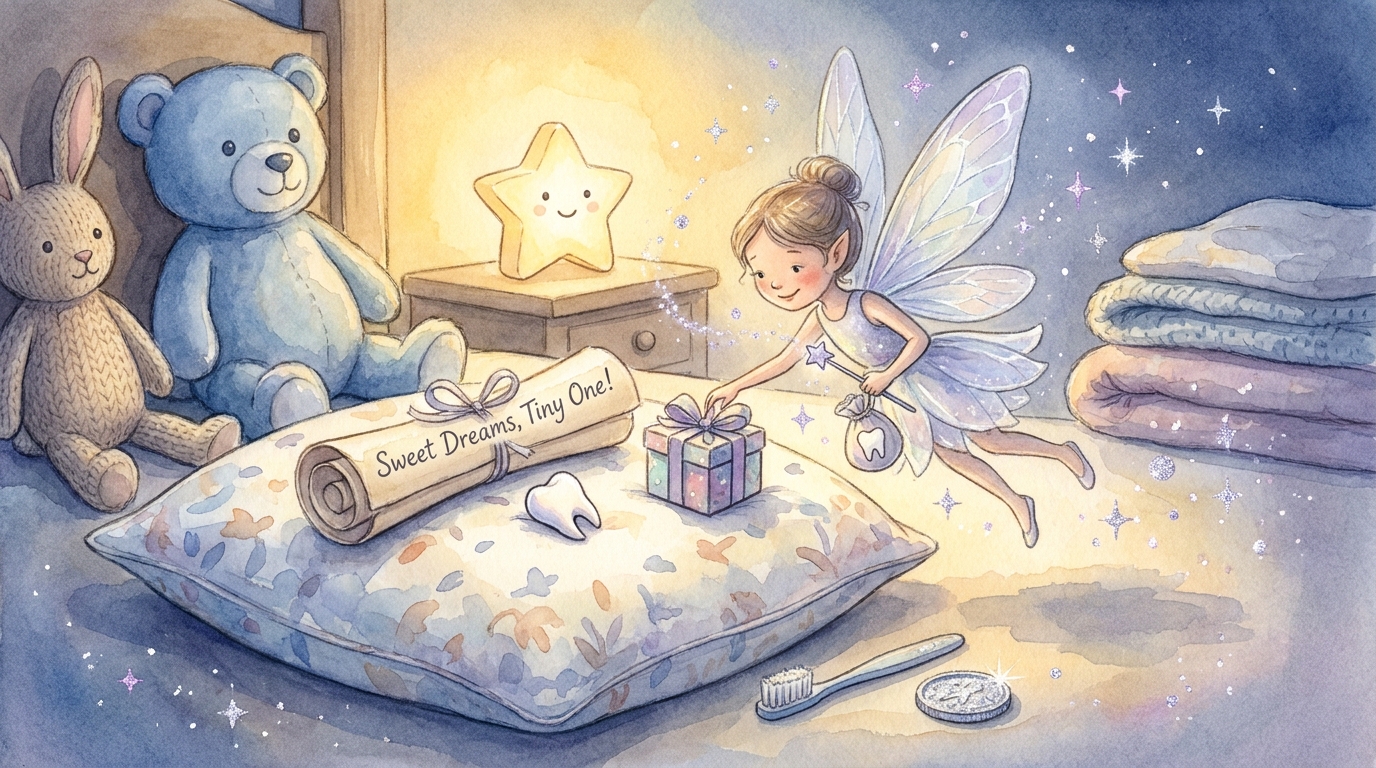
The emotional benefits of magic are perhaps the most profound. Magical characters often act as "invisible mentors" who provide comfort during times of change. For example, a child nervous about losing a tooth finds courage through the ritual of the Tooth Fairy. The magic doesn't just distract from the discomfort; it reframes it as a milestone worth celebrating.
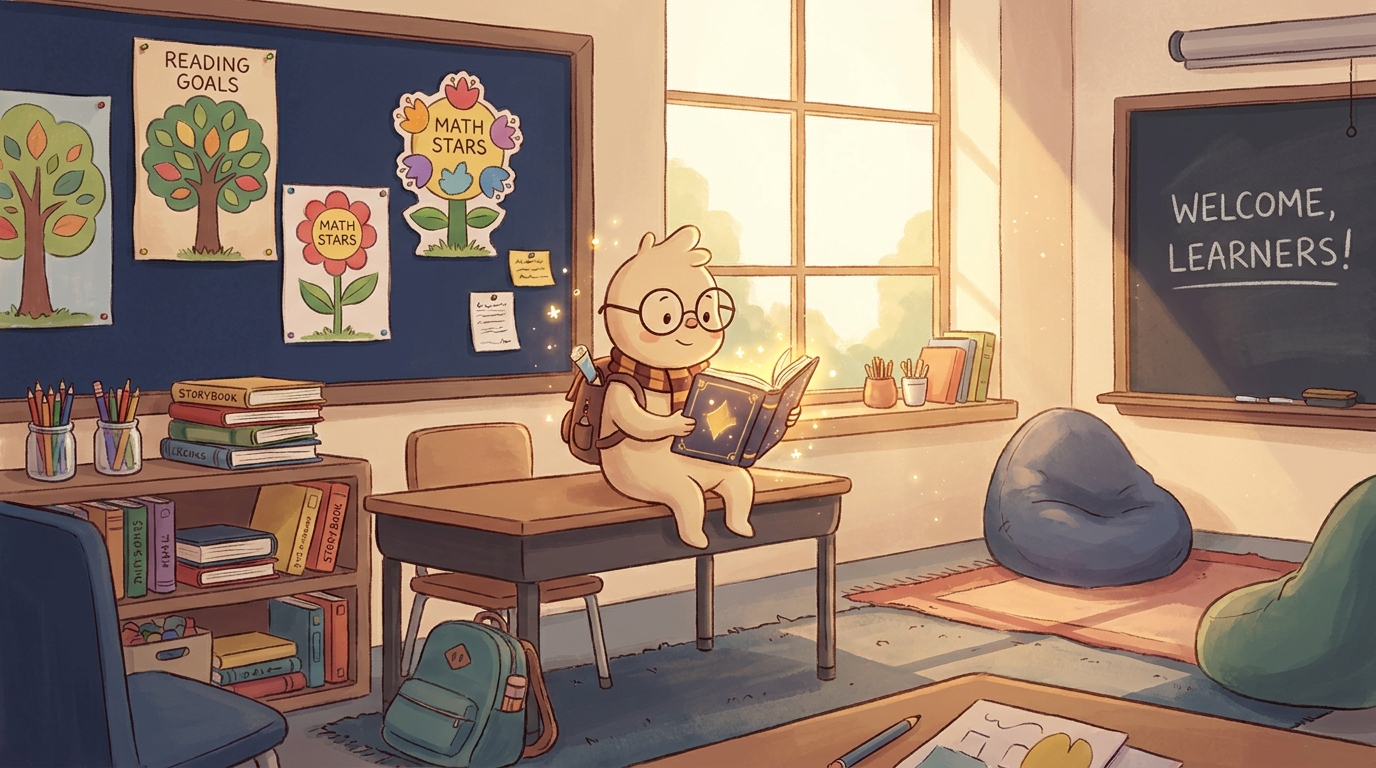
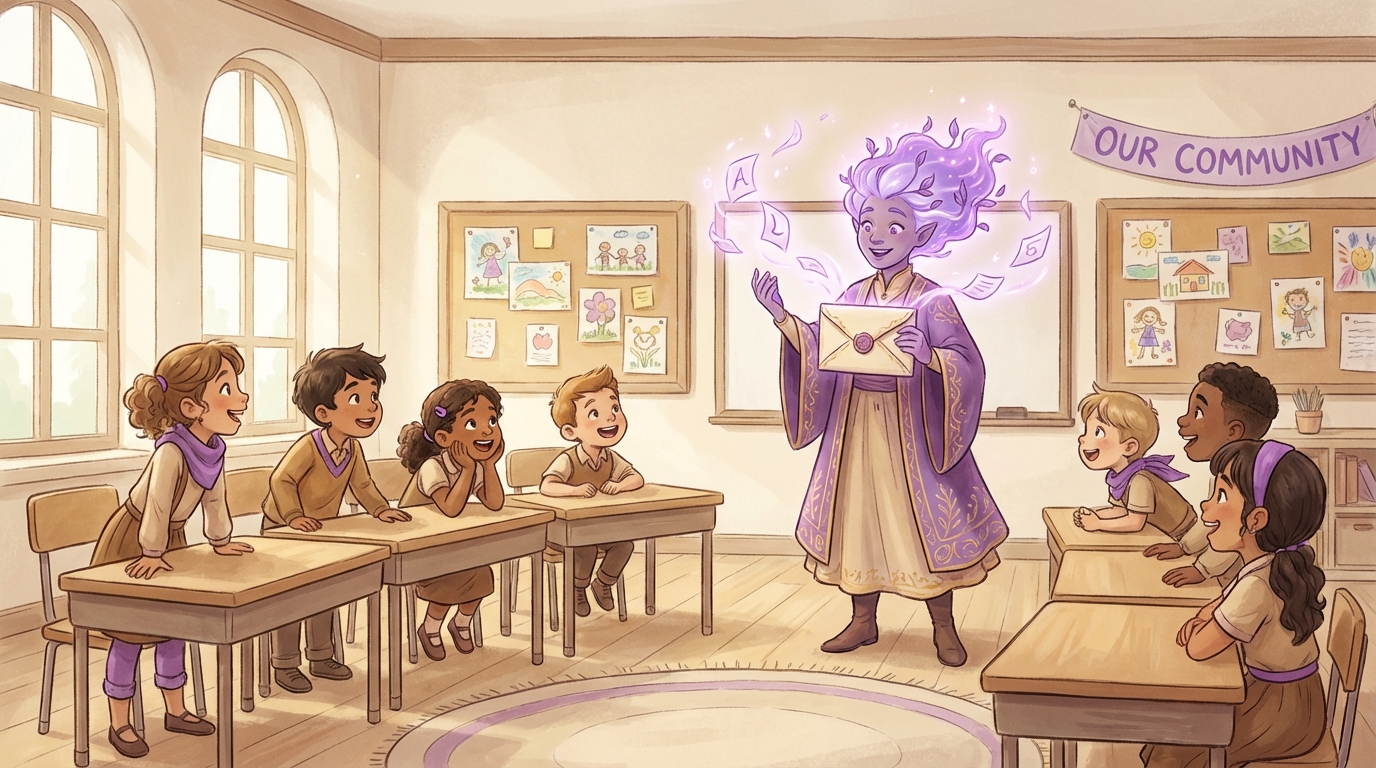
In the classroom, magic builds community. When a teacher introduces a classroom mascot that "sends" letters to the students, it creates a shared culture. These shared experiences build peer connections and a sense of belonging. Whether it's a Birthday Fairy letter making a child feel uniquely valued or a seasonal character encouraging kindness, these moments build a child's emotional vocabulary.
For families looking to deepen these bonds, creating family letter traditions can bridge the gap between generations, allowing grandparents and distant relatives to participate in the child's magical world.
Creativity and Imagination: The Long-Term Benefits
We often think of magical thinking as something children "grow out of," but the skills developed during this stage last a lifetime. Divergent thinking—the ability to generate multiple solutions to a problem—is a direct byproduct of a rich imaginative life.
Research published by PBS Parents emphasizes that children who are encouraged to lean into their imagination often become more innovative adults. They are more comfortable with ambiguity and more adept at perspective-taking—the ability to understand how someone else feels. When a child writes back to a magical character, they aren't just practicing literacy; they are engaging in a sophisticated form of creative writing and empathy.
Practical Ways to Support Healthy Magical Thinking
Supporting magic doesn't have to be a full-time job. The goal is to create consistent, high-impact moments that reinforce values and spark joy.
- Personalize the Experience: A generic letter is fun, but a letter that mentions a child's recent accomplishment or a specific challenge they've overcome is transformative.
- Use Magic to Reinforce Values: Use magical characters to encourage kindness, persistence, or curiosity. A letter from a "Science Wizard" praising a child's curiosity can boost their confidence in STEM subjects.
- Balance Magic with Inquiry: When your child asks, "Is this real?", you can turn it back to them: "What do you think?" This encourages critical thinking without prematurely popping the bubble.
For parents, these moments are easily facilitated through tools like The Magic Letter Box, where you can generate unlimited personalized letters for just $15 a year. This allows for spontaneous magic—like a letter from a garden fairy after a day of planting—without the stress of writing from scratch.
When and How Children Naturally Transition Away
The transition away from magical thinking usually happens naturally between the ages of 7 and 10. This is the stage where the "logical brain" begins to take the lead. You might notice your child looking for the tape on the back of a "magical" door or questioning the logistics of a character's travel schedule.
This transition is bittersweet, but it shouldn't be rushed. When a child begins to ask direct, skeptical questions, it’s an invitation to a new kind of relationship. You can transition them from being a "believer" to a "keeper of the magic." This role allows them to help create magic for younger siblings, preserving the wonder while acknowledging their growing maturity.
Frequently Asked Questions
At what age should I stop encouraging belief in magical characters?
There's no specific age to stop—children naturally transition away from magical thinking between ages 7-10. Rather than ending it abruptly, let your child lead the process. When they ask questions, respond honestly while preserving the magic for younger siblings if applicable.
Is magical thinking the same as lying?
No, magical thinking is a normal developmental stage where children explore the boundaries between reality and fantasy. It's different from lying because children genuinely believe in the magic. This cognitive process actually helps them develop critical thinking skills as they eventually learn to distinguish fact from fiction.
Can magical thinking interfere with learning real-world concepts?
Research shows magical thinking actually supports learning by making abstract concepts more concrete and memorable. Children can simultaneously understand real-world cause-and-effect while enjoying magical narratives. The key is balancing magical elements with age-appropriate explanations of how things actually work.
How can teachers use magical thinking in the classroom without excluding diverse beliefs?
Focus on secular magical characters like classroom mascots, birthday fairies, or seasonal characters that aren't tied to specific religious traditions. Personalized letters can celebrate achievements, encourage positive behaviors, and build classroom community in ways that respect all family backgrounds.
Conclusion
Magical thinking isn't just a phase to be tolerated; it is a vital part of the architecture of a child's developing mind. By supporting these imaginative leaps, we are helping children build the cognitive flexibility, emotional resilience, and creative spirit they will carry into adulthood. Whether you are a parent creating a surprise on a Tuesday or a teacher using The Magic Letter Box Classroom Edition to inspire your students, you are doing the important work of nurturing wonder.
Written by The Magic Letter Box
Creating magical moments for families through personalized letters and thoughtful parenting resources.