School Year Goal Setting Letter for Kids: A Magical Approach
As the school year begins, classrooms and homes are filled with the scent of fresh pencils and the nervous energy of new beginnings. For educators and parents, this is the prime window for goal setting. However, traditional goal-setting methods often fall flat with younger learners. A black-and-white worksheet asking a seven-year-old to list their "academic objectives" usually results in blank stares or uninspired answers like "get better at math."
To truly inspire a child, we must speak their language. By transforming abstract future-thinking into a tangible, magical experience, we can move from compliance to curiosity. This guide explores how a personalized letter from a magical character can bridge the gap between adult expectations and a child's intrinsic drive.
Table of Contents
- Why Traditional Goal Setting Fails Young Learners
- The Goal-Response-Celebration Framework
- Age-Appropriate Categories and Magical Messengers
- Writing Your School Year Goal Setting Letter
- Classroom Implementation: Personalization at Scale
- Measuring Progress Without Killing the Magic
- Frequently Asked Questions
Create Classroom Magic in Minutes
Teachers love The Magic Letter Box Classroom Edition! Upload your roster, choose a template, and generate personalized letters for your entire class at once. 10 free trial letters, then just $25/year for unlimited letters for up to 35 students!
Why Traditional Goal Setting Fails Young Learners
Young children find it hard to picture themselves months into the future, so a goal set in August for May can feel impossibly far away. This is why traditional goal worksheets often collect dust in the back of a folder.
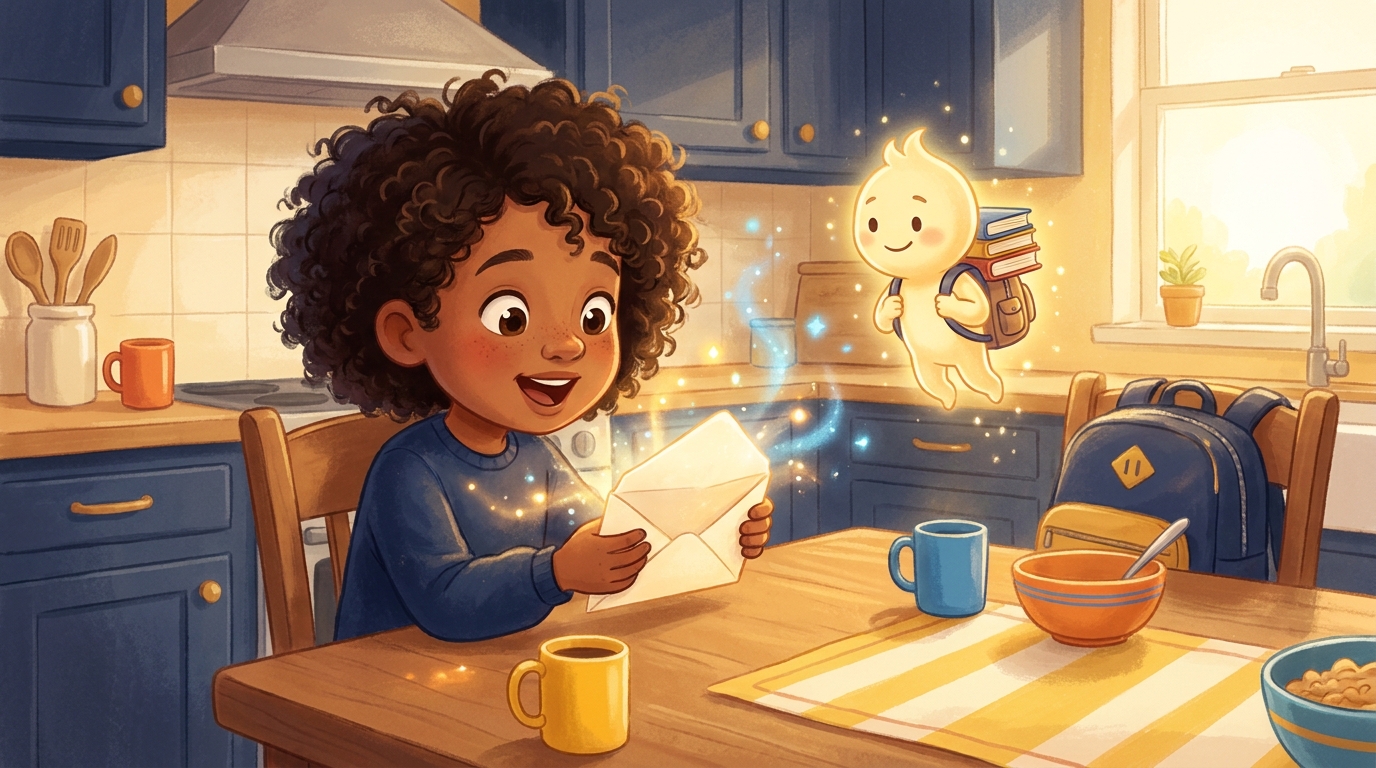
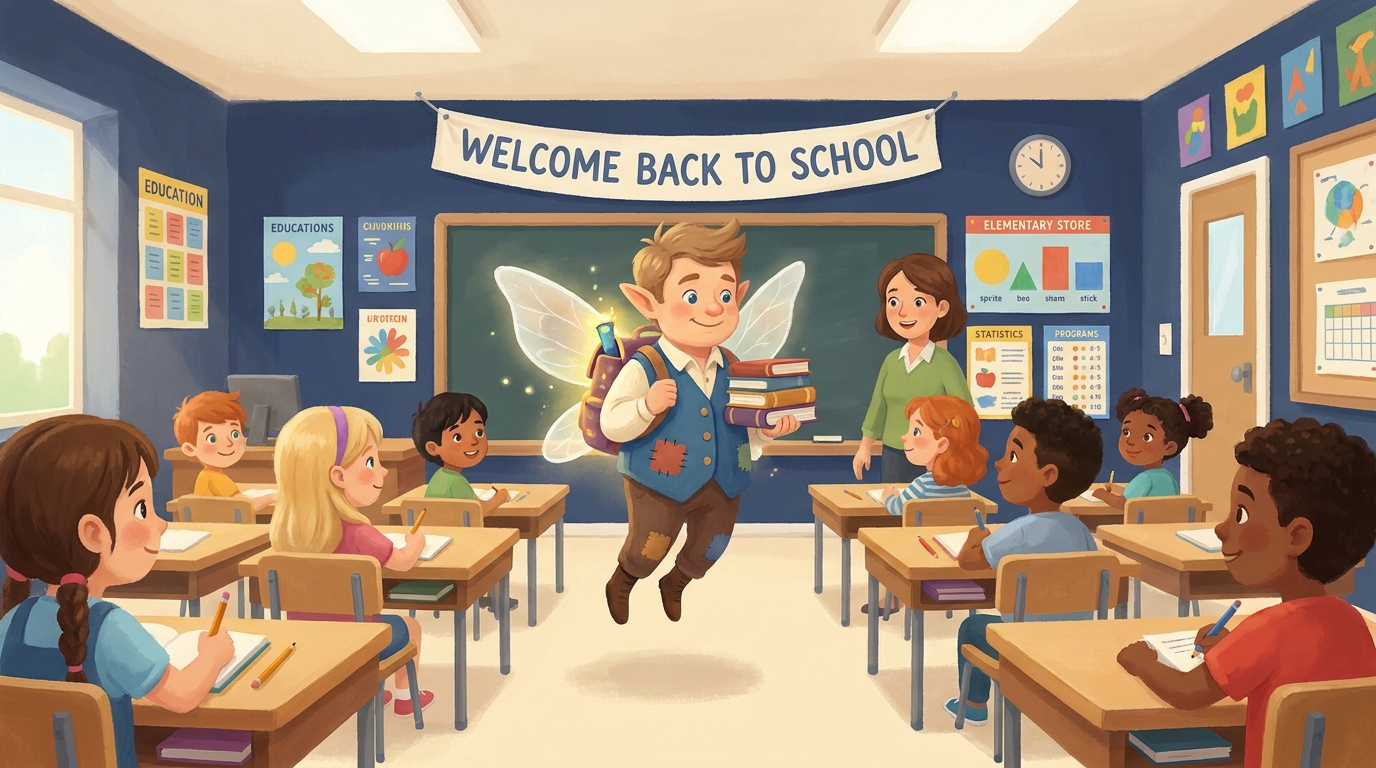
Furthermore, goals imposed by authority figures often trigger a subtle, subconscious resistance. When a teacher says, "Your goal is to read 20 books," it feels like an assignment. However, when a Welcome Back to School Letter from Class Mascot asks, "I wonder what adventures you will discover in stories this year?", it sparks a sense of wonder. The shift from a directive to an invitation is the key to genuine engagement.
There is also a significant motivation gap. A child might be excited to set a goal on the first day of school, but that energy wanes by October. Personalized letters bridge this relevance gap. While generic classroom posters are easily ignored, a letter that references a child's specific interest—like dinosaurs or soccer—makes the goal feel uniquely theirs.
The Goal-Response-Celebration Framework
To make goal setting effective and sustainable, we recommend a four-phase framework that maintains momentum throughout the school year.
- Phase 1: The Arrival Letter – A magical character (like a Class Mascot) introduces 2-3 developmentally appropriate goal areas. This sets the stage without overwhelming the child.
- Phase 2: The Child's Response – This is the most critical step. The child engages in a simple reflection activity, such as drawing a picture of themselves succeeding, writing a one-sentence commitment, or setting up a sticker chart.
- Phase 3: Progress Check-ins – Mid-year letters acknowledge the effort observed. A mascot might say, "I saw how hard you worked on those tricky math problems today!" This reinforces growth mindset.
- Phase 4: End-of-year Celebration Letter – The character reflects on the specific growth they have witnessed, providing a sense of closure and accomplishment.
For example, a teacher might use a Personalized Student Letter from Class Mascot in October that says, "I've been watching from my special spot, and I noticed when you helped Marcus with his math..." This specific observation validates the child's progress far more than a generic grade on a report card.
Age-Appropriate Goal Categories and Magical Messengers
Matching the messenger to the goal type and the child's age is vital for maintaining "the magic."
Ages 4-6: Social-Emotional Foundations
At this age, goals should be concrete and routine-based. Themes like sharing, trying new foods, or following a morning routine work best. A class mascot or a Back to School letter works well for these "big kid" transitions.
Ages 7-9: Concrete Academic Milestones
As children enter lower elementary, they can handle academic goals like reading minutes or mastering math facts. Class mascots or a Custom Letter from a favorite character are excellent choices here, as they can "observe" the daily hard work happening in the classroom or at the homework table.
Ages 10-12: Self-Directed Wisdom
Older elementary students are developing executive function skills. Goals around time management, study strategies, or trying extracurricular activities resonate well when delivered by a "wise" custom character, like an owl mentor or the class mascot.
Writing Your School Year Goal Setting Letter
You don't need to be a professional novelist to write an impactful letter. Every successful magical goal letter contains four essential components:
- A Magical Greeting: Establish the character's voice immediately.
- Strengths Observation: Mention something the child is already good at to build confidence.
- The Invitation: Suggest 2-3 goals using "I wonder" or "What if" language.
- The Next Step: Give the child a clear, immediate action to take.
The "sweet spot" for length is about 150 words. This is long enough to feel substantial but short enough to hold an elementary student's attention. Avoid demands; instead, use language that increases buy-in. Transition from "Your goal is to read every night" to "I wonder what brave characters you'll meet if you read for 15 minutes before bed?"
Sample Goal Letter Template (150 Words)
Dear [Child's Name],
Greetings from my cozy spot in [Location]! I have been watching you get ready for [Grade Level] at [School Name], and I am so impressed by how [Strength - e.g., kind/brave] you are. I saw you [Specific Summer Activity], and I knew this was going to be your best year yet!
As you start this new adventure, I have a few magical challenges for you. I wonder if you could try to [Goal 1 - e.g., learn the names of three new friends] this week? I also think you have the superpower to [Goal 2 - e.g., master your 5-times tables].
If you want to accept these challenges, could you draw a picture of yourself doing one of them and leave it [Location - e.g., under your pillow/on your desk]? I can't wait to see what you do!
With magic and cheers,
[Character Name]
Classroom Implementation: Personalization at Scale
For teachers, the idea of writing 30 individual letters can be daunting. However, the impact is worth the effort, and new tools make it easier than ever. Strong teacher-student relationships make every other classroom goal easier. Personalized letters are a "relationship shortcut."
Timing is everything. Delivering these letters on Day 3 or 4 of school—after you've observed a few personality traits—allows you to add those small, specific details that make the magic believable. To manage this at scale, use a roster-based approach. Collect interests through a beginning-of-the-year survey and use those data points to populate your letters.
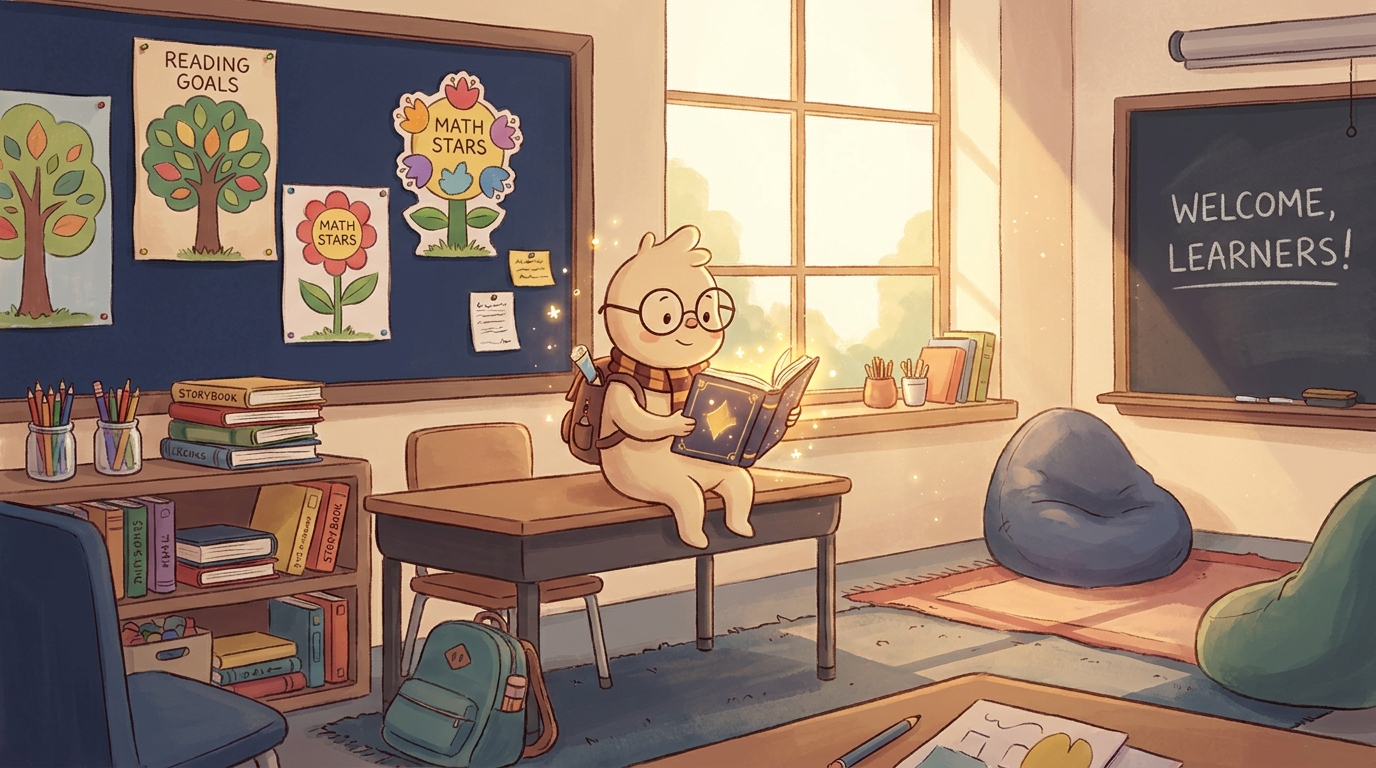
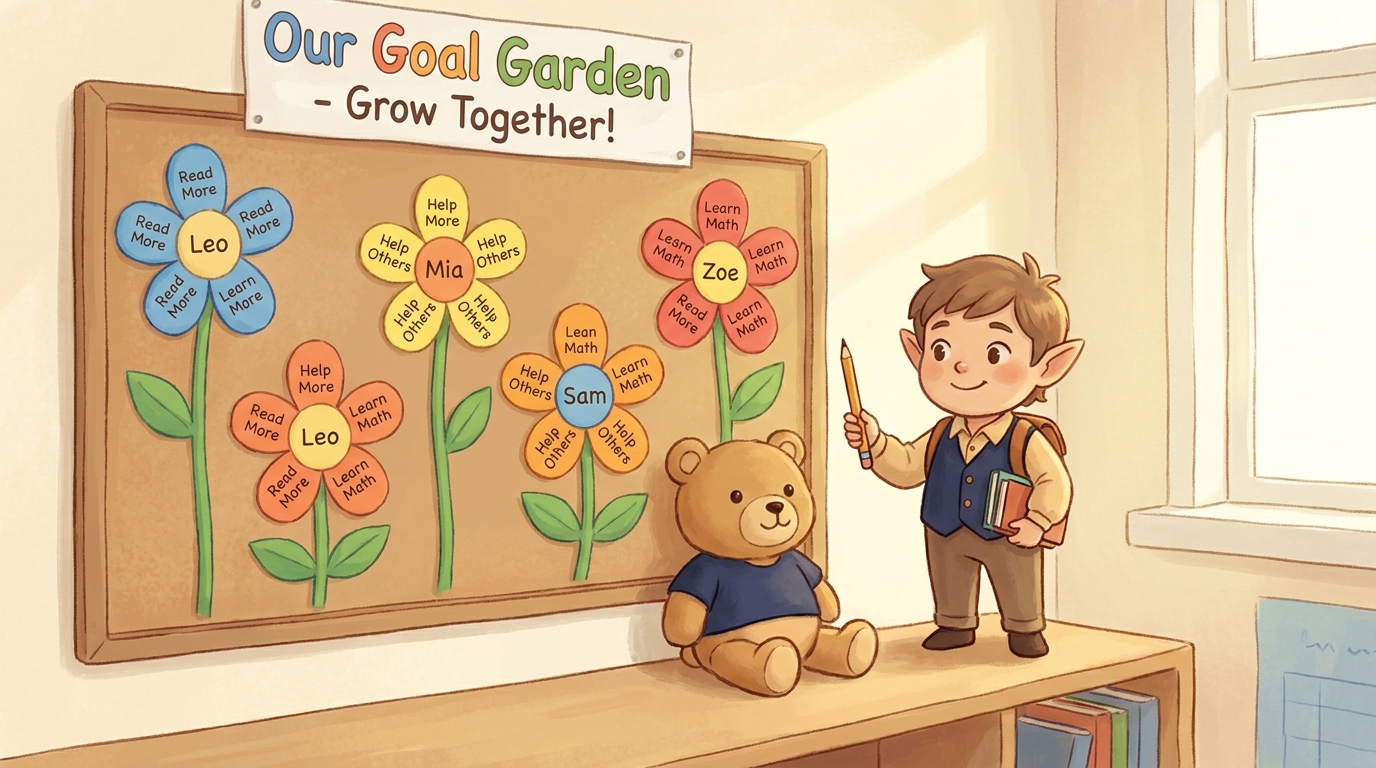
Consider creating a "Goal Garden" on a bulletin board. When a student receives their letter from the mascot, they can write their goal on a paper flower. As they make progress, they add "petal" stickers. This creates a visual representation of growth without the high-pressure environment of a public data wall. For students struggling with the transition, a Back to School Anxiety Letter from Magical Friend can be a perfect precursor to the goal-setting letter.
Measuring Progress Without Killing the Magic
The quickest way to kill the magic of a goal letter is to turn it into a tool for surveillance. If a parent says, "The Tooth Fairy won't be happy that you didn't practice your violin," the letter becomes a source of stress rather than inspiration.
Instead, focus on reflection. Build the narrative that the character is a cheerleader, not a judge. If a child is struggling with a goal, the follow-up letter should acknowledge the difficulty. "I saw that multiplication has been a bit like a mountain climb lately—tricky but the view from the top will be amazing!" This models resilience and a growth mindset.
As the year winds down, ensure you close the loop. An End of Year Letter from Teacher to Students can be paired with a final message from the magical character, celebrating how much the "seeds" of their goals have grown. This creates a sense of accomplishment that the child will carry into the next grade level.
Frequently Asked Questions
What age is too young for a school year goal setting letter?
Children as young as 4 can benefit from goal letters if the goals are concrete and immediate (like 'hang up your backpack each day'). The key is matching goal complexity to developmental stage—preschoolers need visual, routine-based goals while upper elementary students can handle multi-step objectives.
How many goals should a magical character suggest in one letter?
Two to three goals maximum for elementary-aged children. More than that creates overwhelm and dilutes focus. For younger children (K-1), a single goal with a fun tracking method works best.
Can I use the same magical character for goal letters all year?
Yes, consistency with one character (especially a Class Mascot for teachers) builds a relationship that makes later letters more impactful. However, rotating characters seasonally can re-spark interest if motivation wanes—just ensure the new character references previous goals to maintain continuity.
What if my child doesn't meet the goals in their magical letter?
The follow-up letter should focus on effort and learning rather than completion. Magical characters can acknowledge challenges ('I know multiplication has been tricky') and suggest adjusted goals or new strategies, modeling resilience rather than disappointment.
How do I personalize goal letters for 30 students without spending hours?
Use a platform like The Magic Letter Box that allows CSV roster import with student-specific details (interests, reading levels, strengths). The AI generates individually personalized letters in minutes while you retain the ability to review and edit before printing or sharing digitally.
Ready to transform your classroom or home routine? Start your journey with the Classroom Edition of The Magic Letter Box and watch your students' motivation soar.
Written by The Magic Letter Box
Creating magical moments for families through personalized letters and thoughtful parenting resources.