Magical Letters for Children in Hospital: Comfort, Hope & Healing
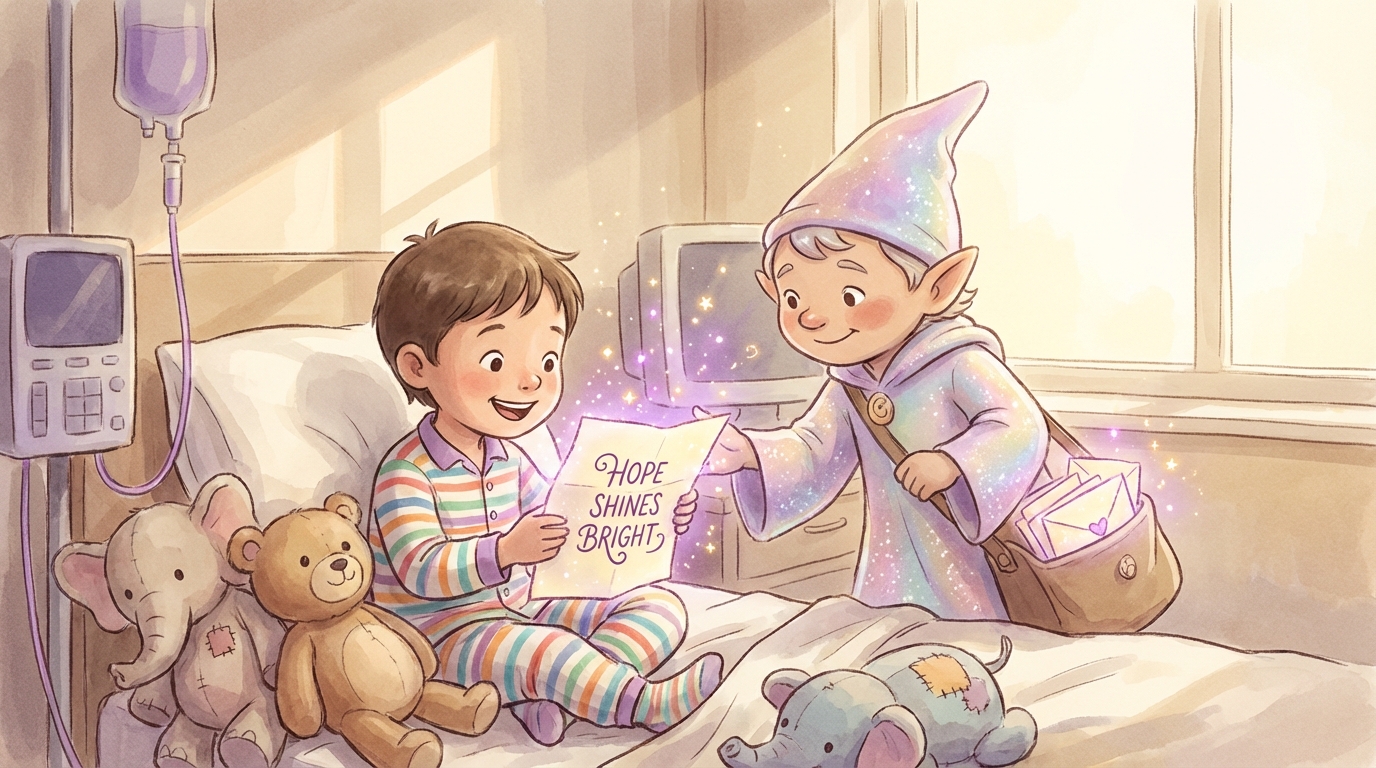
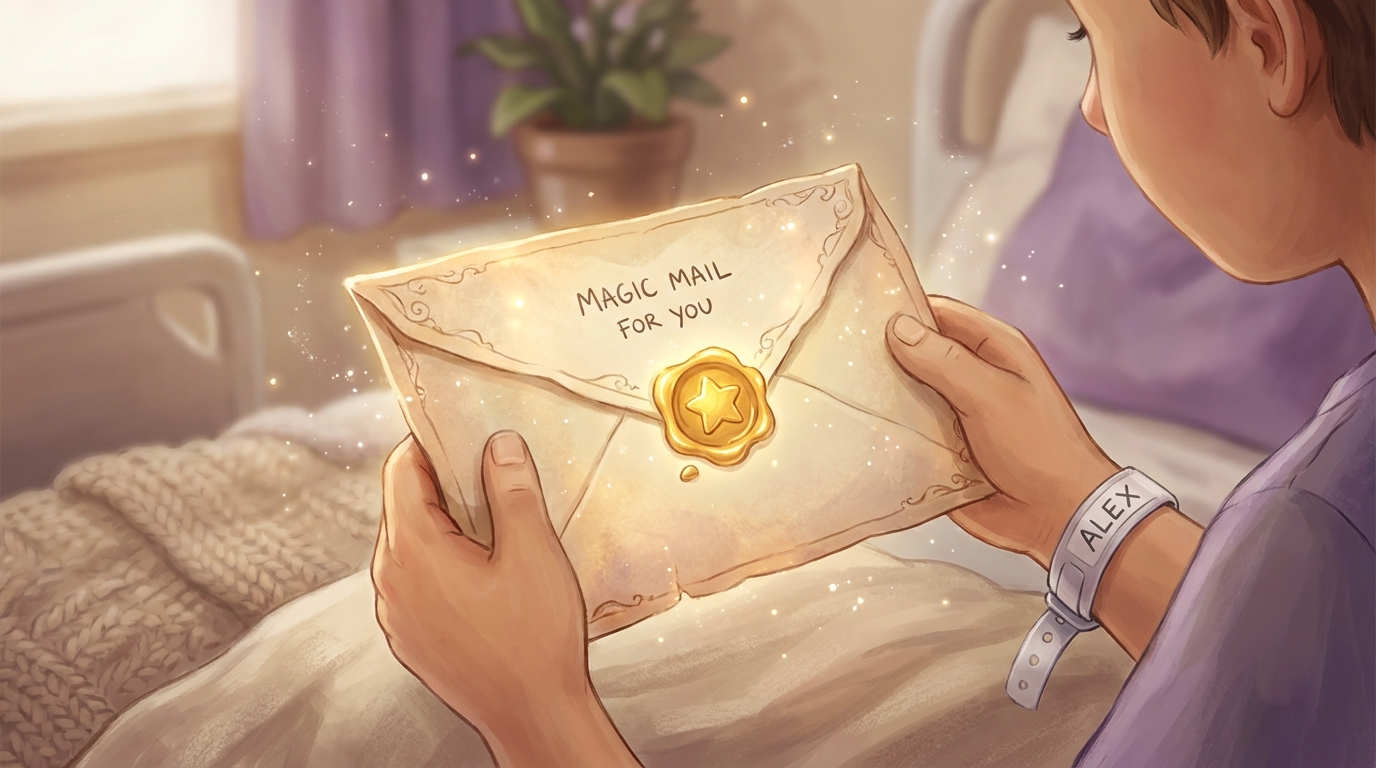
Hospitalization is a daunting experience for anyone, but for a child, it can feel like entering an entirely different world—one filled with strange smells, loud machines, and a loss of control. Amidst the clinical environment of IV poles and heart monitors, the simple power of imagination can be a lifeline. Magical letters from beloved characters like Santa, the Tooth Fairy, or the Easter Bunny offer more than just a distraction; they provide a bridge back to childhood normalcy and a powerful tool for emotional healing.
- Why Magical Letters Matter During Hospital Stays
- Choosing the Right Magical Character for the Moment
- What to Include in Magical Letters for Hospitalized Children
- How Parents Can Create Magical Letters from Hospital
- How Healthcare Teams Can Support Magical Letter Moments
- Real Moments: When Magic Meets Medicine
- Frequently Asked Questions
Create Classroom Magic in Minutes
Teachers love The Magic Letter Box Classroom Edition! Upload your roster, choose a template, and generate personalized letters for your entire class at once. 10 free trial letters, then just $25/year for unlimited letters for up to 35 students!
Why Magical Letters Matter During Hospital Stays
The emotional impact of hospitalization on children varies by age, but the core challenges remain: fear of the unknown, separation anxiety, and the disruption of daily routines. For a toddler, it might be the fear of a "white coat"; for a school-aged child, it may be the frustration of missing a school play or a holiday celebration. Maintaining a sense of wonder is not just about keeping a child busy—it is about protecting their identity as a child first and a patient second.
Research suggests that positive emotional experiences can play a significant role in pediatric recovery. According to HealthyChildren.org, children cope better with medical stress when they feel supported and have opportunities for play. Imaginative play and "magical thinking" are developmentally appropriate ways for children to process trauma. By introducing a letter from a magical figure, we shift the child’s focus from the next blood draw to the anticipation of a secret message.
Consider the impact of these specific moments:
- The 6-year-old: Receiving a letter from the Tooth Fairy after losing a tooth during a chemotherapy session. The letter doesn’t just acknowledge the tooth; it praises the child’s "shining courage" that is even brighter than the tooth itself.
- The Holiday Patient: Santa writing to a child before a December surgery, assuring them that his sleigh has a special GPS tracker for hospital rooms.
- The Hospital Birthday: The Birthday Fairy sending a note to celebrate a milestone spent in a ward, turning a sad realization into a magical event.
Choosing the Right Magical Character for the Moment
Selecting the right character depends on the timing and the child’s specific emotional needs. While holiday figures are obvious choices, other characters can provide continuity with home traditions even when the surroundings are sterile.
The Tooth Fairy: Perfect for dental procedures or the universal milestone of losing a tooth. In a hospital, this character brings a sense of "business as usual," reminding the child that their body is still growing and hitting milestones despite the illness.
The Easter Bunny: If a child is hospitalized during the spring, a personalized Easter Bunny letter can reassure them that the hunt will still happen, even if it looks a little different this year. It maintains the rhythm of the seasons which often gets lost in windowless hospital wings.
Santa Claus: Santa represents the ultimate figure of hope and rewards. For a child facing a long recovery, a letter from the North Pole can be a powerful incentive to keep working on physical therapy or taking difficult medications.
The 'Hospital Hero Fairy': For children on extended stays without a specific holiday, a generic magical friend can be created. This character can be the "Guardian of the Fourth Floor" or a "Magic Health Sprite" who specifically looks after brave children in hospitals.
What to Include in Magical Letters for Hospitalized Children
Writing for a hospitalized child requires a delicate balance. You want to acknowledge their reality without making the letter feel like a medical chart. The goal is to validate their feelings while inspiring hope.
Acknowledge Bravery: Use phrases like, "I heard from the birds outside your window that you were incredibly brave during your 'magic sleep' (surgery) today." Avoid high-pressure phrases like "don’t be scared" or "you must be strong." Instead, use "It’s okay to feel small, but remember you have the heart of a lion."
Incorporate Medical Details with Magic: You can frame medical equipment in a whimsical way. An IV pole might be a "magic potion stand" that helps their internal superheroes fight the bad germs. A cast can be a "shield for a healing bone." This helps the child view their treatment as part of a heroic journey rather than a scary imposition.
Celebrate Small Victories: In the hospital, big milestones are rare, but small ones happen daily. A letter might say, "I was so proud to hear you took ten brave steps with your walker today! Each step sounded like a drumbeat of strength to me in the North Pole."
How Parents Can Create Magical Letters from Hospital
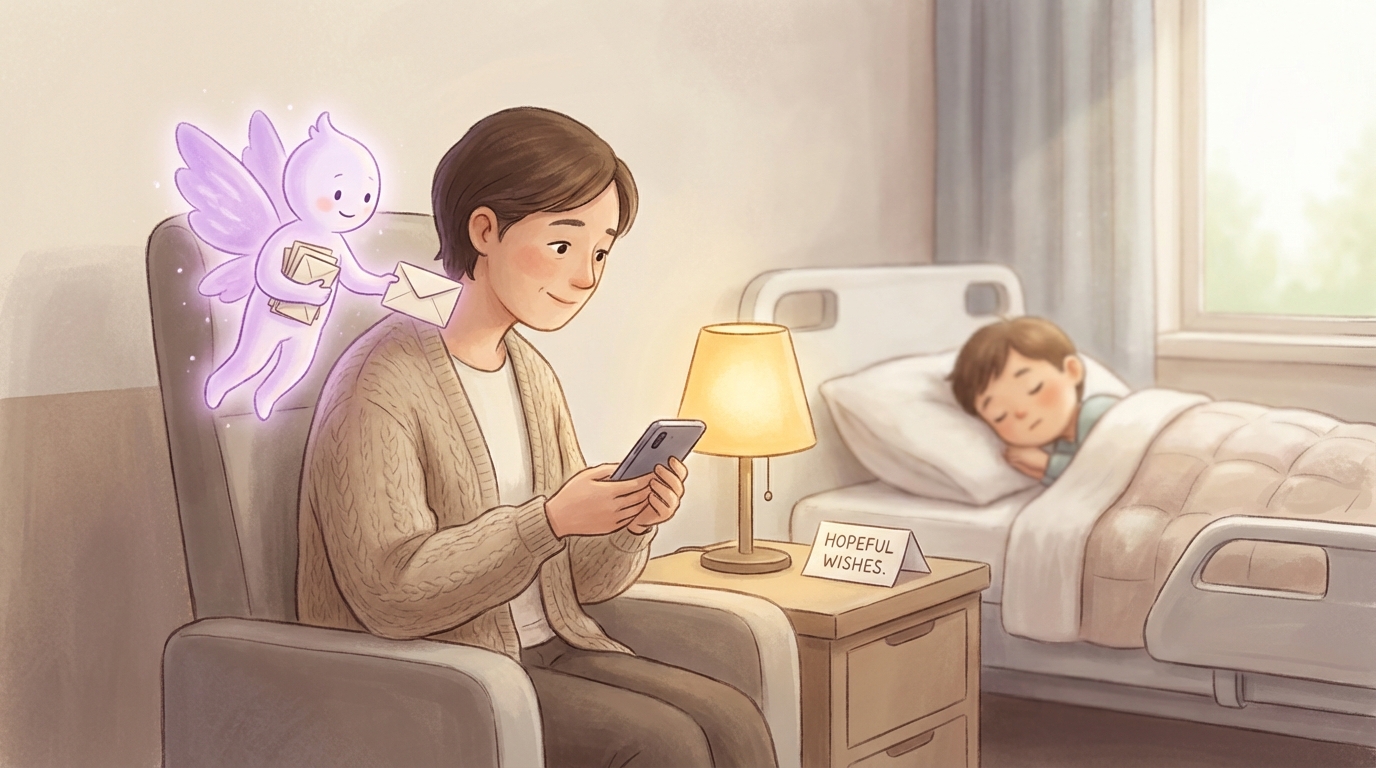
Parents in the hospital are often operating on very little sleep and high levels of stress. The idea of sitting down to hand-write a perfect, whimsical letter can feel overwhelming. This is where modern tools become essential.
Using a mobile-friendly platform like The Magic Letter Box allows parents to generate a professional, beautiful letter in minutes. You can customize the content to include the child’s nurse’s name or the specific color of their hospital room. If you are struggling with a long-term stay, consider a "letter schedule." Perhaps every Tuesday, a new message arrives from a different magical friend.
For delivery, coordinate with family members. If you can’t leave the bedside, a grandparent or friend can print the letter and bring it during visiting hours. Many hospitals also have family resource centers with printers available for parent use. For more ideas on creating seasonal magic even when you aren’t at home, check out our guide on Creative Easter Traditions for Kids.
How Healthcare Teams Can Support Magical Letter Moments
Child life specialists are the unsung heroes of pediatric care, and they often use "therapeutic play" to help children process their environment. Magical letters fit perfectly into this clinical framework. As noted in research regarding creative arts therapies in healthcare, imaginative interventions can significantly lower cortisol levels in pediatric patients.
Nurses can act as the "delivery agents" for these letters. When a nurse delivers a letter from the Tooth Fairy along with the morning vitals check, it changes the dynamic of the relationship. It shows the child that the medical team sees them as a person, not just a patient. Healthcare teams can also use these letters as conversation starters. If a child is withdrawn, asking, "What did Santa say in his note?" can open the door to emotional processing.
Real Moments: When Magic Meets Medicine
The impact of these letters often extends far beyond the hospital stay. We have heard stories of children who taped their letters to the foot of their beds, using them as a visual reminder of their own strength. One parent shared that their daughter refused to walk down the hallway for physical therapy until she received a "scout report" from the Easter Bunny telling her he had hidden a paper egg at the end of the hall.
These moments also provide much-needed relief for parents. In a situation where you feel helpless to stop your child’s pain, being the architect of a magical moment provides a sense of agency. It allows you to provide a different kind of medicine—one that treats the spirit.
Frequently Asked Questions
Yes, when done thoughtfully. Magical letters can provide comfort and normalcy during medical crises. The key is matching the tone to the situation - acknowledging their bravery and current experience while maintaining age-appropriate hope. Many child life specialists recommend these positive touchpoints as part of holistic pediatric care.
AI-powered tools like The Magic Letter Box are designed for exactly this situation. In just 2-3 minutes on your phone, you can create a personalized letter by answering simple prompts about your child. The platform handles the creative writing while you provide the personal details, making it possible even during the most overwhelming times.
Save the letter for when they're ready, or read it to them even if they can't fully respond. Many parents report that children who seemed unresponsive during difficult moments later asked to see 'the letter from Santa' again, indicating they absorbed more than was apparent. Trust your parental instinct about timing.
Absolutely. You can print letters at the hospital (many have family resource centers with printers), have family members bring printed copies during visits, or even display digital letters on a tablet. Some parents laminate letters so they can be safely kept in hospital beds and easily cleaned.
Choose based on timing and your child's interests. The Tooth Fairy works beautifully if they lose a tooth during their stay. Birthday Fairy or Santa align with calendar events. For general encouragement during extended stays, consider characters your child already loves or create continuity with magical traditions from home.
In the end, medicine heals the body, but magic heals the heart. Whether it’s a quick note from the North Pole or a detailed letter from the Easter Bunny, these moments of wonder remind hospitalized children that they are special, brave, and never forgotten. If you are a teacher looking to support a student during their recovery, don’t forget that The Magic Letter Box Classroom Edition makes it easy to send letters from the whole class!
Written by The Magic Letter Box
Creating magical moments for families through personalized letters and thoughtful parenting resources.