Create Magical Easter Bunny Letters with Scavenger Hunt Clues Kids Love
Create Magic in Under a Minute
Don't have time for elaborate setups? The Magic Letter Box helps busy parents create personalized, enchanting letters instantly. Get 5 free letters to start, or enjoy unlimited magic for just $15/year!
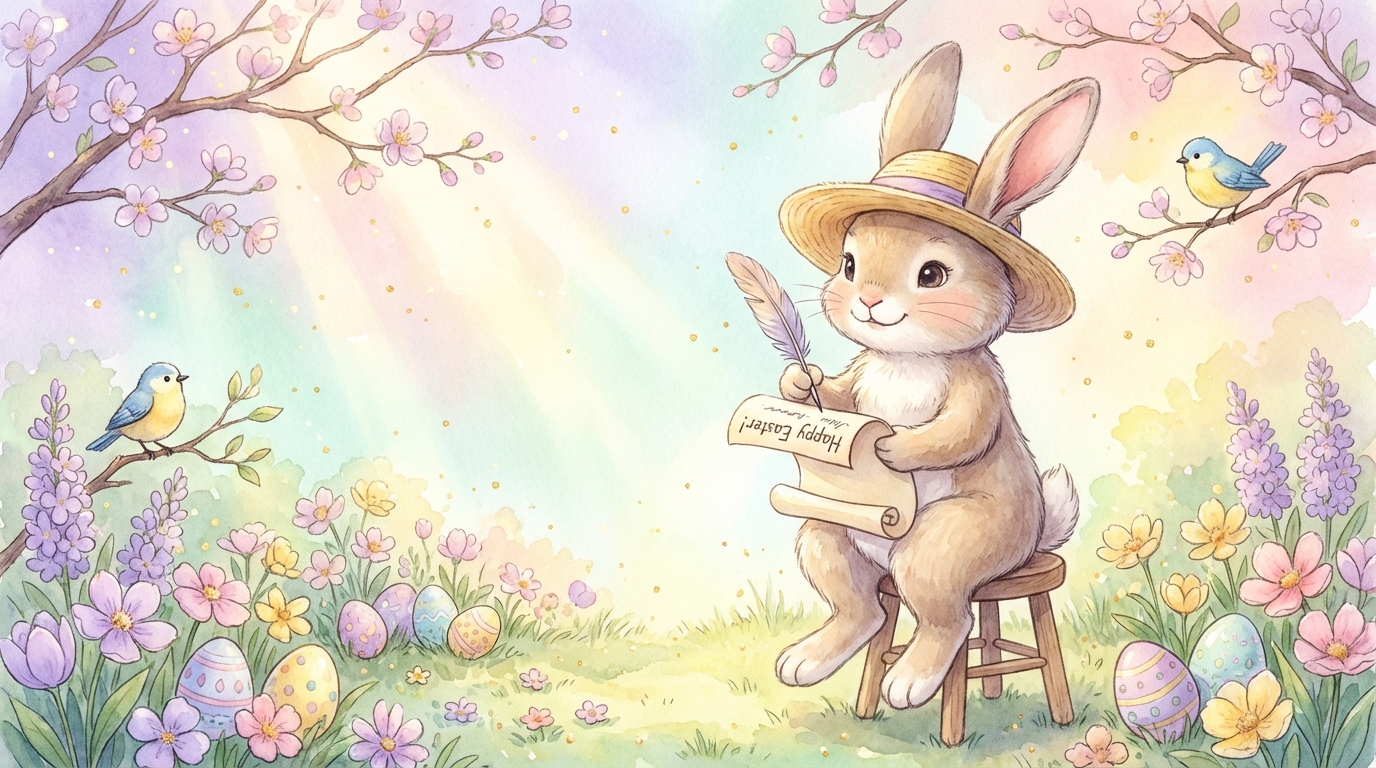
Easter morning is a time of pure, unadulterated wonder. For a child, the discovery of a half-eaten carrot on the porch or a stray bit of pastel fluff near the door is proof that the impossible is real. While the traditional egg hunt is a staple of the spring season, there is a way to elevate this experience from a simple search-and-find mission into a legendary childhood memory. By combining a personalized Easter Bunny letter with a structured scavenger hunt, you move beyond the "candy grab" and invite your child into a narrative adventure where they are the hero of their own story.
Why Easter Bunny Letters Transform Traditional Egg Hunts
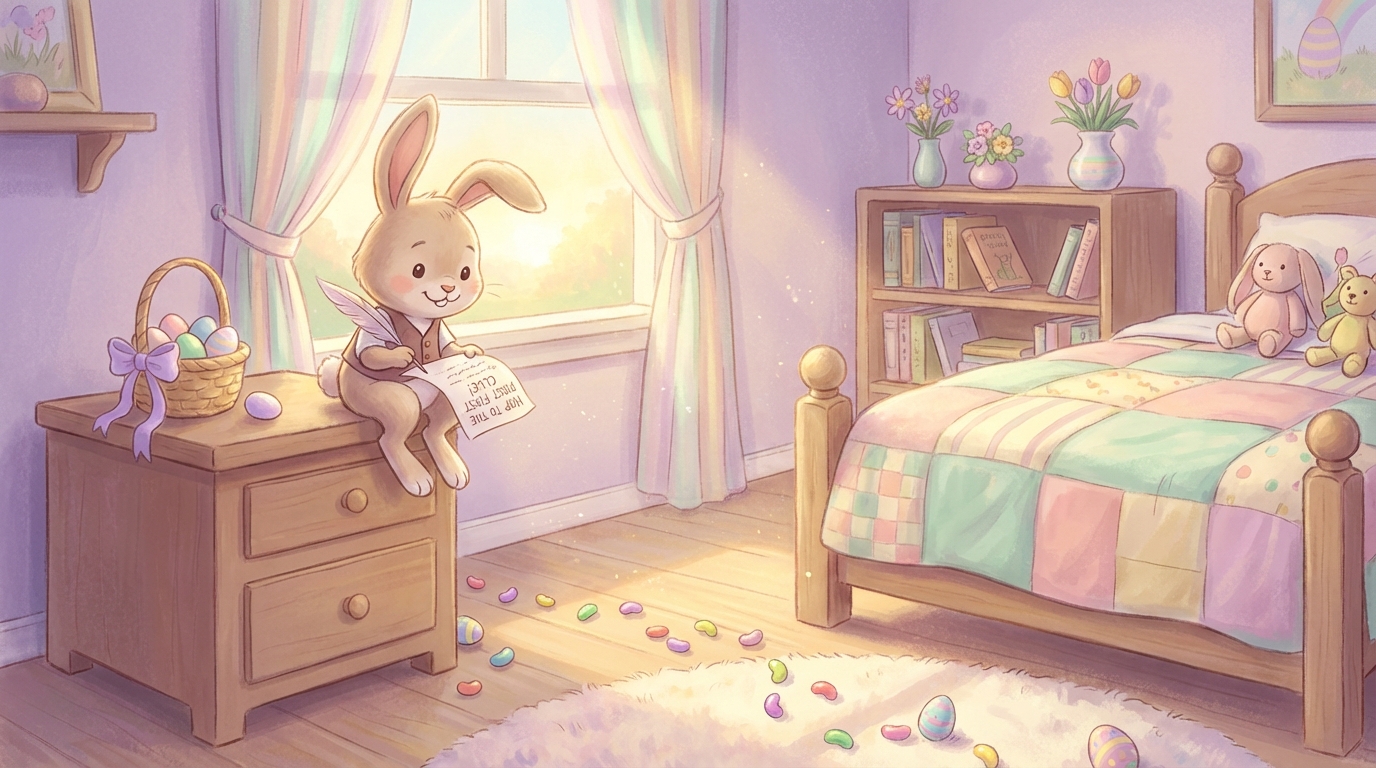
The psychological impact of receiving personalized mail from a magical character cannot be overstated. When a child sees their name written in the Easter Bunny’s signature script, it validates their imagination and creates an immediate emotional connection. This narrative framing turns a physical activity into a story-driven quest. Instead of just looking for plastic eggs, the child is now following instructions from a friend who has been watching their growth all year.
Consider the difference in reaction: in a regular egg hunt, a child might rush through the yard, often finished in minutes. In a letter-guided scavenger hunt, the child must slow down, read, and interpret. This provides significant literacy benefits by combining reading comprehension with physical activity. For a reluctant reader, the high-stakes motivation of finding the next clue can overcome the frustration of challenging words. Many parents and teachers report that children who usually struggle with focus become incredibly cooperative and determined when the "Bunny" is the one giving the directions.
The language used in these letters is key. Using phrases like, "I've been hopping through your garden and noticed how hard you've been practicing your piano," creates a sense of being truly seen. This acknowledgment of their personal world makes the subsequent scavenger hunt feel like a bespoke game designed specifically for them. For more inspiration on setting the scene, you might explore 25 creative Easter egg hunt ideas to pair with your letter.
Crafting the Perfect Easter Bunny Letter Introduction
The introduction of your letter sets the stage. To maintain the magic, every letter should include three essential elements: a personalized greeting, an acknowledgment of the child’s year, and a natural transition to the hunt. The goal is to prove the Easter Bunny "knows" the child without being overbearing.
For a 4-year-old, the tone should be simple, rhythmic, and high-energy. "Hello, Little Explorer! My whiskers were twitching with excitement as I hopped past your window last night. I saw your beautiful drawing of a rainbow on the fridge!" For an 8-year-old, you can be more descriptive: "Greetings from the Clover Fields! I heard you did an amazing job at your soccer game last weekend. To celebrate such a big win, I’ve hidden a special surprise, but you’ll need to use your sharp eyes and clever brain to find it."
Transitioning to the hunt should feel organic. Instead of saying "Go find the eggs," try: "I have a bit of a puzzle for you. My basket was a little too heavy to carry all the way back to the Burrow, so I’ve left pieces of your surprise in hidden spots around the house." This creates a "call to adventure" that is much more compelling than a simple instruction. For help with the initial drafting, check out our guide on how to create magical letters from the Easter Bunny.
Writing Age-Appropriate Scavenger Hunt Clues
The success of the hunt depends entirely on the difficulty of the clues. If they are too easy, the game ends too quickly; if they are too hard, the child may become frustrated and lose interest in the "magic."
Pre-Readers (Ages 3-5)
Focus on visual clues or simple rhyming couplets that parents can read aloud. At this age, 3-5 clues are plenty.
- "Where we keep things cold and white, look inside for a springtime sight!" (The Refrigerator)
- "I have four legs but cannot walk, I'm where you sit to eat and talk." (Dining Chair)
- "Find the place where you rest your head, look under the pillows on your..." (Bed)
Early Readers (Ages 6-8)
Use simple sight words and phonetic patterns. This is a great time to incorporate basic riddles. Target 5-7 clues.
- "I have a face but no eyes, and hands that never touch. I tell you when it's time to wake, and when you've slept too much." (A Clock)
- "I'm full of stories and pictures too, look on the shelf where books wait for you." (Bookshelf)
- "Splash and scrub and wash your toes, look where the soapy water goes!" (The Bathtub)
Advanced Hunters (Ages 9-11)
Older children enjoy multi-step logic and wordplay. You can increase the count to 7-10 clues.
- "I reflect your smile but cannot speak. Look behind me for the prize you seek." (A Mirror)
- "I have keys but no locks, and space but no room. You can allow me to play a jaunty tune." (The Piano or Keyboard)
- "I get wetter the more I dry. I'm hanging up high, give me a try!" (A Towel Rack)
Structuring Your Hunt: From Letter to Final Prize
Deciding whether to put the clues inside the letter or hide them separately is a matter of preference. For younger children, having the clues printed directly in the letter allows the parent to guide the flow easily. For older children, finding a physical "clue card" at each location creates a more immersive experience. You can even use an Easter egg hunt clue generator to help brainstorm these locations.
The flow of the hunt should ideally move from high-traffic areas to more secluded spots. Start in the living room, move to the kitchen, perhaps a quick trip to the backyard (weather permitting), and finish in a location that allows for a "grand reveal," like inside the washing machine or hidden behind a curtain. If you live in a small apartment, don't worry! Small spaces are perfect for creative hunts using verticality—tape a clue to the underside of a table or hide one inside a shoe.
The final reveal should be more than just a basket. Consider leaving a "signature item" from the Easter Bunny, like a small wooden coin, a special ribbon, or even a trail of "bunny footprints" (made with flour or baking soda) leading to the prize. To preserve these memories, take a photo of the child reading the letter before they start. It becomes a beautiful keepsake for their childhood scrapbook.
Teacher's Guide: Classroom Easter Bunny Scavenger Hunts
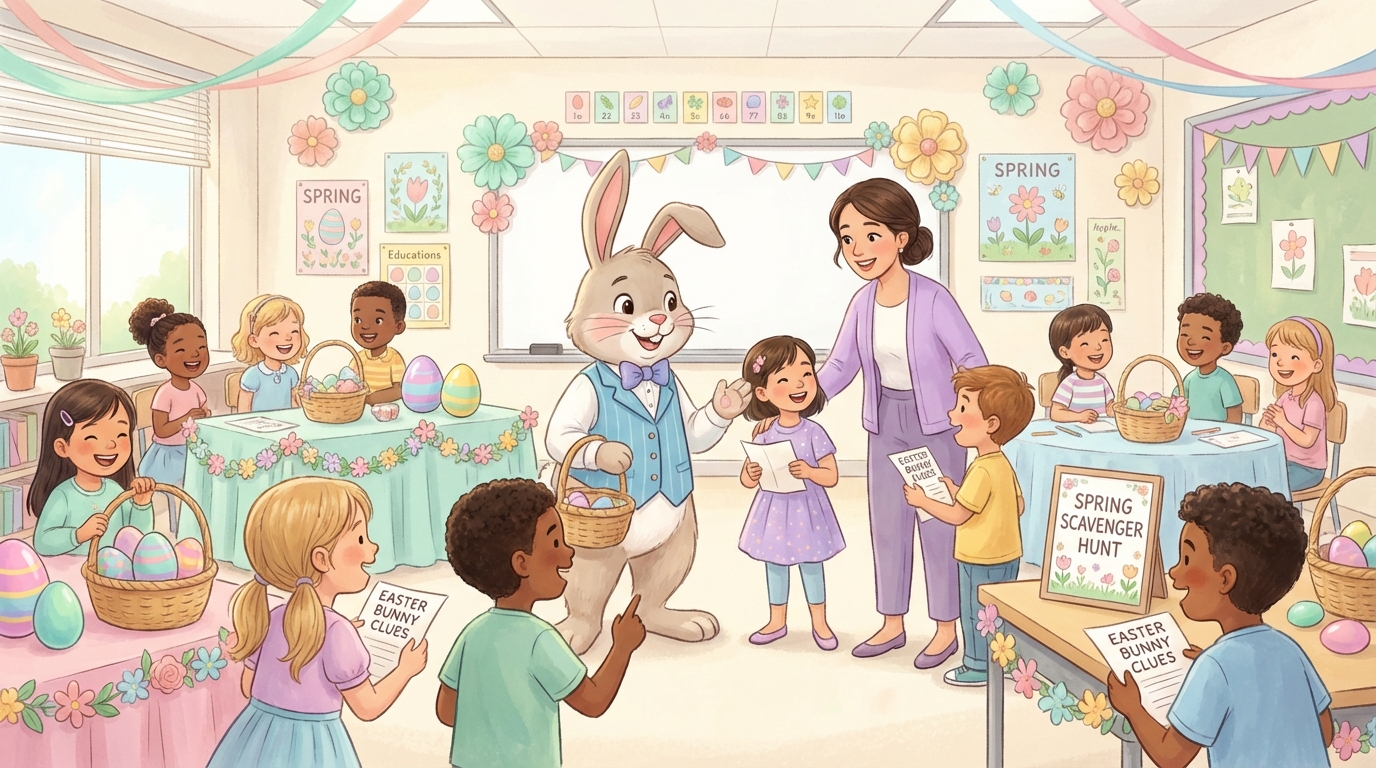
Teachers can easily adapt this magic for the classroom. While individual hunts for 30 students might be chaotic, a station-based approach works perfectly. You can use The Magic Letter Box Classroom Edition to generate personalized letters for every student that all lead to the same collaborative hunt.
In a classroom setting, the Easter Bunny might write a letter to the whole class: "Dear Room 204, I’ve heard you are all becoming expert mathematicians! I’ve hidden some treats, but you’ll need to solve these spring riddles to find them." Each station can incorporate grade-level learning objectives. For example, a math-themed clue might be: "Go to the place where 10 + 12 equals the number on the cubby."
Inclusive considerations are vital. For families who do not celebrate Easter, frame the activity as a "Spring Nature Hunt" or a visit from a "Spring Woodland Friend." This ensures every child feels included in the magic of discovery without conflicting with family traditions. The history of Easter is rich with various cultural traditions, and focusing on themes of growth and spring makes the activity universal.
Creating Your Easter Bunny Letter with The Magic Letter Box
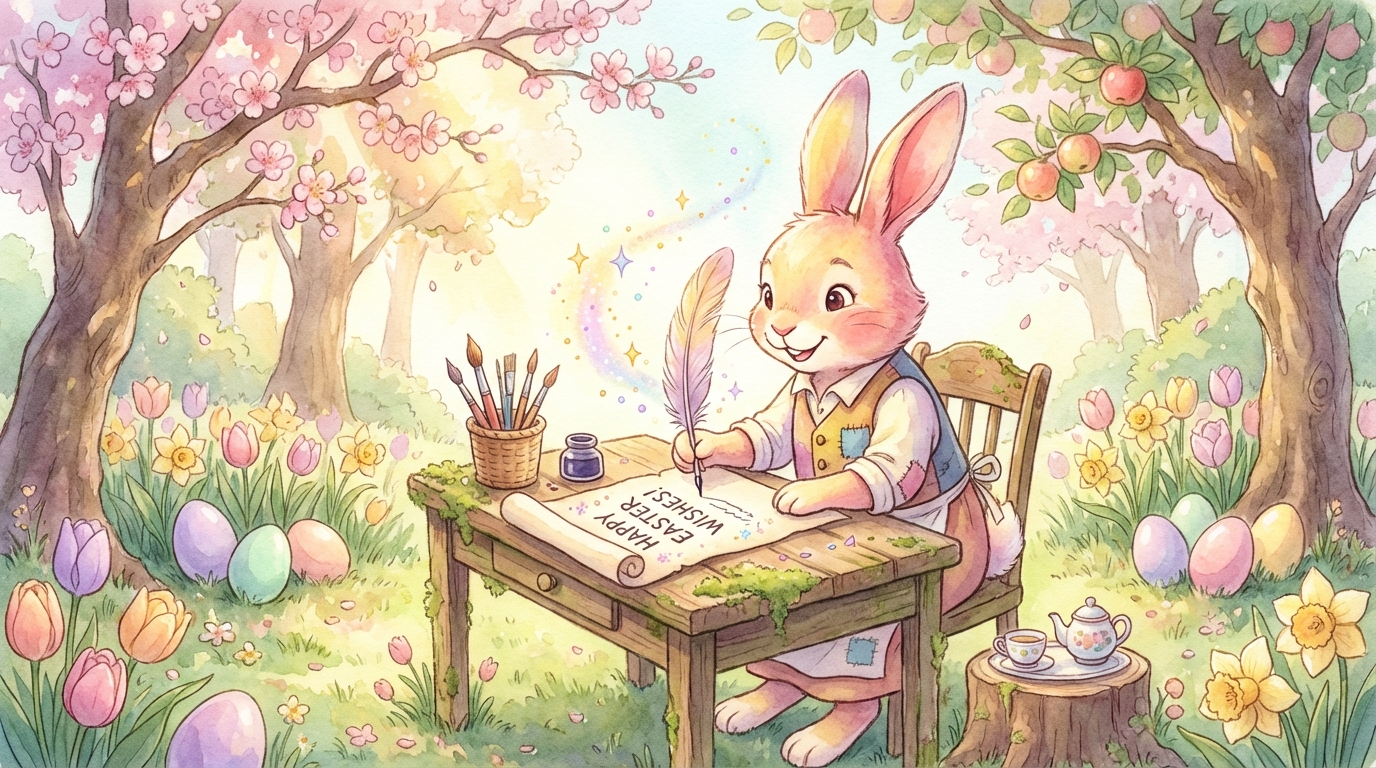
We know that as parents and teachers, your time is your most valuable resource. That’s why we built The Magic Letter Box. Our AI-driven platform allows you to input specific details about your child—their recent achievements, their favorite toys, and even their pet’s names—and generate a beautifully written, personalized Easter Bunny letter in seconds.
The process is simple:
- Input Details: Enter the child's name and a few personal triumphs from the year.
- Select the Scavenger Hunt Option: Choose the age-appropriate clue difficulty.
- Customize: Review the generated clues and swap any that don't fit your home layout.
- Print: Download the high-quality PDF and print it on nice paper for that authentic "North Pole" or "Clover Field" feel.
For teachers, our Classroom Edition ($25/year) is a game-changer. You can upload a CSV roster and generate 35 unique letters in under ten minutes. This allows every student to feel special while participating in a shared classroom adventure. If you're looking for more ways to add a personal touch, consider using our free Easter photo booth editor to create a "selfie" with the Easter Bunny to include with the letter.
Frequently Asked Questions
What age is appropriate for an Easter Bunny letter with scavenger hunt clues?
Easter Bunny scavenger hunt letters work beautifully for ages 3-11 with age-appropriate adaptations. Preschoolers (3-5) need visual clues or simple rhymes read by parents, early elementary (6-8) can handle basic riddles and sight words, while older children (9-11) enjoy complex wordplay and multi-step logic puzzles. The key is matching clue difficulty to reading level.
How many scavenger hunt clues should I include in the Easter Bunny letter?
For home hunts, 5-7 clues provide ideal engagement without overwhelming children. Younger children (3-5) do best with 3-5 short clues, while older elementary students can handle 7-9 more complex riddles. Classroom hunts work well with 6-10 stations to accommodate larger groups and rotation logistics.
Can I use an Easter Bunny scavenger hunt letter for multiple children?
Absolutely! For siblings, you can create one collaborative hunt where they work together, or personalize separate letters with different clue sets that lead to individual baskets. Teachers regularly use this format for entire classrooms by creating station-based hunts where all students follow the same clue sequence but receive personalized opening letters.
Should the scavenger hunt clues be included in the Easter Bunny letter or separate?
Both approaches work well. Including clues directly in the letter creates a cohesive keepsake, while separate clue cards hidden at each location add more interactive discovery. For younger children, having all clues in the letter helps parents guide the hunt, while older kids enjoy finding each new clue as they progress.
How do I make an Easter scavenger hunt work in a small apartment?
Small spaces are perfect for creative hunts! Use specific furniture locations (under couch cushions, inside shoes, taped to mirrors), incorporate vertical spaces (behind pictures, on door handles), and include container-based clues (inside cereal boxes, under bathroom sink items). Five well-placed clues in a studio apartment can be just as magical as a large house hunt.
Transforming your holiday is easier than you think. By blending the written word with the thrill of the chase, you aren't just giving your children candy—you're giving them a story they will tell for years to come. For more historical context on these traditions, you can read about the origins of the Easter Bunny and how it became such a beloved part of spring celebrations.
Ready to start your adventure? Create your own personalized Easter Bunny letter today and watch the magic unfold.
Written by The Magic Letter Box
Creating magical moments for families through personalized letters and thoughtful parenting resources.