Easter Bread: Delicious Traditions & Recipes to Create Magical Family Memories
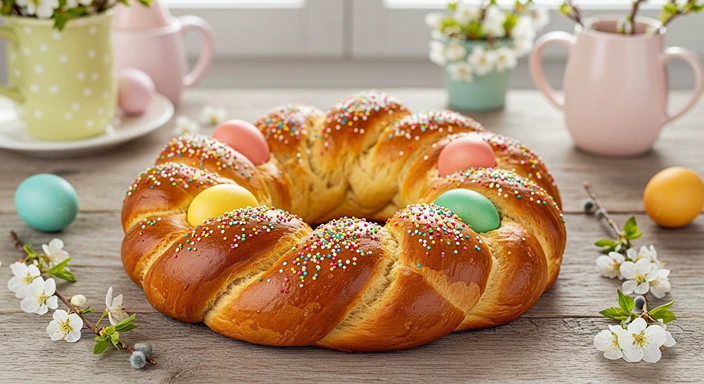
Easter is a time of renewal, celebration, and creating cherished family memories. At the heart of many Easter traditions worldwide is the beloved Easter bread – a sweet, often decorative bread that carries centuries of cultural significance and brings families together in the kitchen. Whether you're looking to connect with your heritage or start new traditions with your little ones, Easter bread offers a wonderful opportunity to create memories that will last a lifetime.
Easter Magic Made Easy for Busy Parents
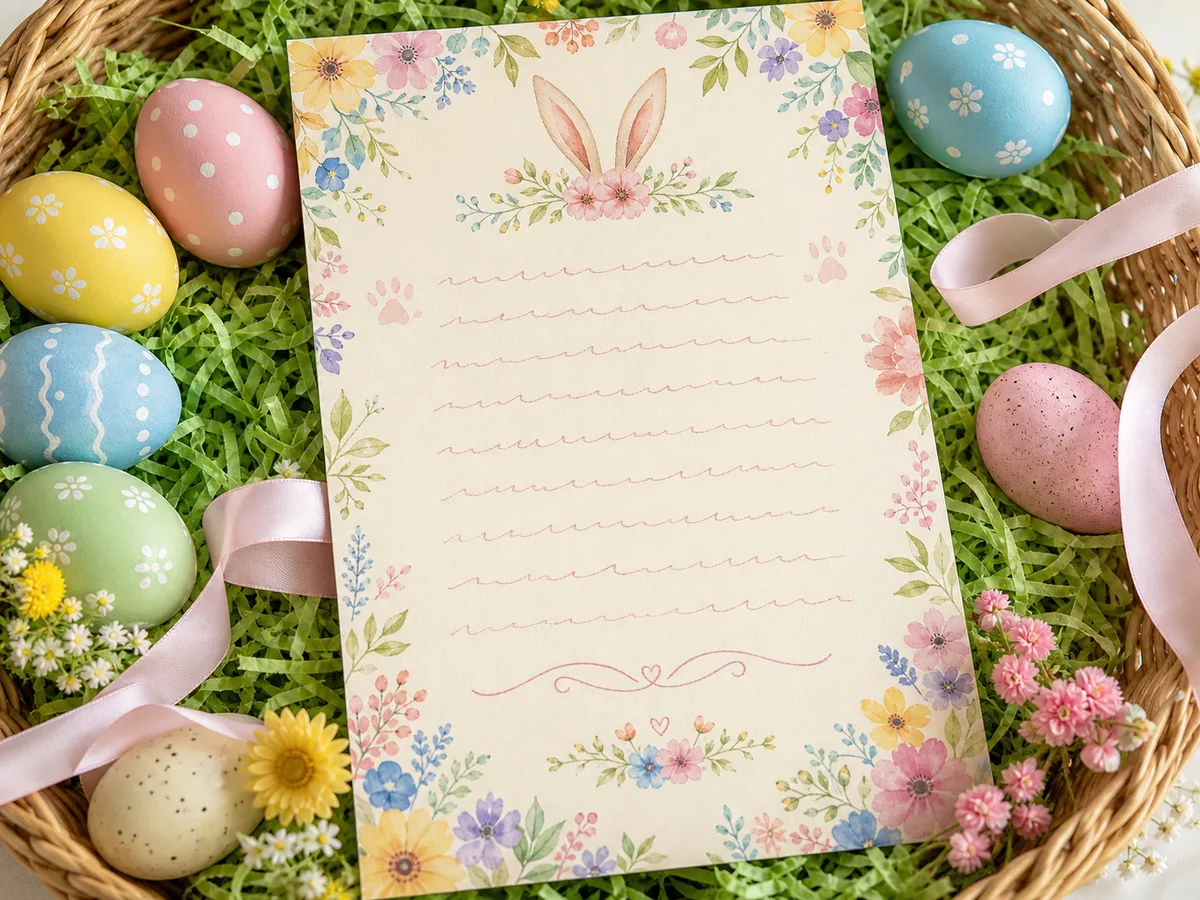
While you're planning your Easter bread tradition, don't forget to add to the magic with a personalized letter from the Easter Bunny! The Magic Letter Box helps busy parents create enchanting, customized Easter Bunny letters in under a minute. Start with 5 FREE letters, then enjoy unlimited magical correspondence for just $15/year with hundreds of customization options for all occasions. Make this Easter extra special with delicious bread AND a personal note from the Easter Bunny!
Table of Contents
- The Rich History & Significance of Easter Bread
- Easter Bread Traditions Around the World
- Basic Easter Bread Recipe to Make with Children
- Creative Ways to Customize Your Easter Bread
- Incorporating Easter Bread into Family Celebrations
- Easter Bread & The Easter Bunny: Creating Magical Connections
- Frequently Asked Questions About Easter Bread
The Rich History & Significance of Easter Bread
Easter bread dates back centuries, with roots in early Christian traditions where bread symbolized Christ's resurrection. The circular shape of many Easter breads represents eternal life, while the eggs often incorporated into the design symbolize rebirth and new beginnings. This sweet, enriched bread has evolved across cultures yet maintains its core purpose: bringing families together to celebrate the arrival of spring and renewal.
What makes Easter bread particularly special is how it bridges religious significance with family tradition. In many households, the preparation of Easter bread is a ritual passed down through generations, creating a tangible connection to ancestry and heritage.
For children, Easter bread is more than just a delicious treat – it's an opportunity to participate in a meaningful tradition that engages all their senses. The process of mixing, kneading, braiding, and decorating the bread provides tactile learning experiences, while the sweet aroma filling the home creates lasting sensory memories.
Easter Bread Traditions Around the World
Easter bread varies dramatically from culture to culture, each with its own special ingredients, shapes, and traditions. Let's explore some of the most beloved variations you might want to try with your family:
Italian Easter Bread (Pane di Pasqua)
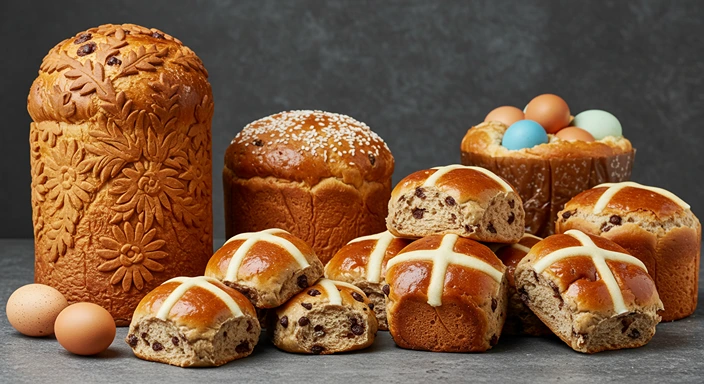
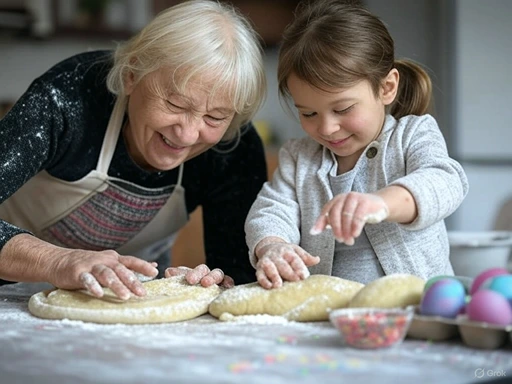
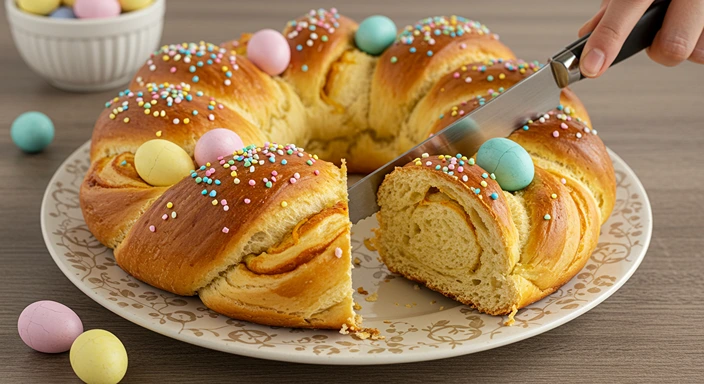
The Italian Easter bread tradition features a sweet, brioche-like dough braided into a ring or wreath shape with dyed eggs nestled within the braids. Often flavored with citrus zest and anise, and topped with colorful sprinkles, this bread is as decorative as it is delicious. For an authentic recipe with step-by-step instructions, check out this beautiful Pane di Pasqua recipe that follows traditional methods.
Greek Easter Bread (Tsoureki)
Tsoureki is a sweet, brioche-like bread flavored with Mediterranean spices like mahlab and mastic, giving it a distinctive flavor profile. Traditionally braided with three strands (symbolizing the Holy Trinity), it's often decorated with red-dyed eggs and has a slightly more complex flavor than other Easter breads. Discover the authentic techniques and cultural significance of this special bread in this beautiful Greek Tsoureki recipe that honors the traditional methods.
Hot Cross Buns (British Tradition)
These spiced, sweet buns marked with a cross on top are traditionally eaten on Good Friday. Packed with dried fruits and spices like cinnamon and nutmeg, hot cross buns are smaller individual portions rather than a single large bread, making them perfect for children to help shape. These historic treats have a fascinating cultural background that dates back centuries, as detailed in this comprehensive history of hot cross buns that explains their religious and cultural significance.
Eastern European Paska
In countries like Ukraine, Poland, and Russia, Easter bread called Paska (or Pascha) is a tall, cylindrical sweet bread often decorated with intricate designs made from dough. The rich, slightly dense texture makes it perfect for slicing and sharing among family members.
Portuguese Folar
This hearty Easter bread has regional variations throughout Portugal but typically includes a hard-boiled egg with the shell still on, symbolizing rebirth. Some variations include savory elements like sausage or bacon, creating a bread that can serve as a centerpiece for Easter brunch.
Basic Easter Bread Recipe to Make with Children
Creating Easter bread with children isn't just about the end result – it's about the process, the memories, and the traditions you're building. Here's a simplified recipe that's child-friendly while still capturing the essence of traditional Easter bread:
Ingredients:
- 4 to 4 1/2 cups all-purpose flour
- 1/4 cup granulated sugar
- 1 teaspoon salt
- 1 package (2 1/4 teaspoons) active dry yeast
- 2/3 cup warm milk
- 2 tablespoons unsalted butter, softened
- 2 large eggs (plus 1 for egg wash)
- 1 teaspoon vanilla extract
- 1 tablespoon orange or lemon zest
- 5-6 dyed hard-boiled eggs (optional, for decoration)
- Sprinkles or pearl sugar for topping
Instructions:
- Prepare the Dough: In a large bowl, combine 2 cups of flour, sugar, salt, and yeast. Add warm milk, butter, 2 eggs, vanilla, and citrus zest. Beat until smooth. Gradually add enough remaining flour to form a soft dough.
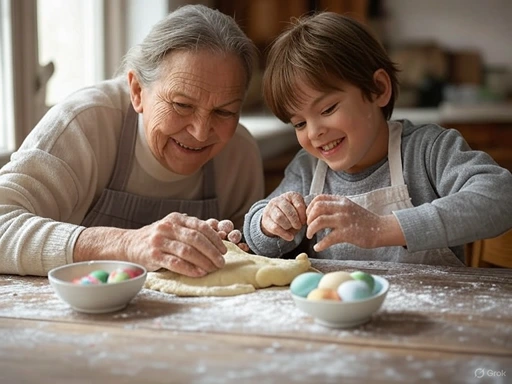
- Knead Together: Turn the dough onto a floured surface and knead for about 5-8 minutes until smooth and elastic. This is a great step for kids to help with – they love the tactile experience of pushing and folding the dough!
- First Rise: Place the dough in a greased bowl, turning once to grease the top. Cover and let rise in a warm place until doubled, about 1 hour.
- Shape the Bread: Punch down the dough and divide it into three equal portions. Roll each portion into a 16-inch rope. Place the ropes on a parchment-lined baking sheet and braid them together. Form the braid into a ring and pinch the ends together to seal.
- Add Eggs (Optional): If using dyed eggs, gently press them into the braided dough at evenly spaced intervals.
- Second Rise: Cover and let rise until doubled, about 30-45 minutes.
- Bake: Brush with an egg wash (1 beaten egg with 1 tablespoon of water) and sprinkle with decorations if desired. Bake at 350°F for 25-30 minutes until golden brown.
- Cool and Enjoy: Let the bread cool on a wire rack before slicing and sharing.
Creative Ways to Customize Your Easter Bread
One of the joys of making Easter bread is adapting it to suit your family's preferences. Here are some creative ways to make your Easter bread unique:
Flavor Variations
- Citrus Burst: Add extra orange, lemon, or lime zest to the dough
- Almond Joy: Mix in almond extract and top with sliced almonds
- Cinnamon Swirl: Roll out the dough, sprinkle with cinnamon sugar, then roll up before braiding
- Cardamom Spice: Add ground cardamom for a Scandinavian-inspired twist
- Chocolate Chip: Fold mini chocolate chips into the dough for a kid-friendly variation
Decoration Ideas
- Colored Sugar: Use different colored sugars to create rainbow patterns on top
- Icing Drizzle: After cooling, drizzle with a simple powdered sugar glaze
- Dried Fruit Jewels: Press dried cranberries, apricots, or cherries into the dough before baking
- Seed Medley: Top with a mixture of poppy, sesame, and sunflower seeds
- Herb Garden: For a more savory version, incorporate fresh herbs like rosemary or thyme
Shape Alternatives
- Individual Nests: Make small, nest-shaped breads with a colored egg in the center
- Braided Loaf: Create a straight braided loaf instead of a ring
- Easter Bunny: Shape the dough into a bunny silhouette
- Cross Design: Form the dough into a cross shape for religious significance
- Mini Wreaths: Make several small wreaths so each child can decorate their own
Incorporating Easter Bread into Family Celebrations
Easter bread isn't just a recipe – it's an opportunity to create meaningful family traditions. Here are ways to make Easter bread a central part of your celebrations. For even more inspiration, check out our comprehensive guide to magical Easter traditions for kids that can easily incorporate your special Easter bread.
Easter Bread Baking Day
Designate a specific day before Easter (often Good Friday or Holy Saturday) as your family's official Easter Bread Baking Day. Create a festive atmosphere with spring decorations and Easter music. This anticipation builds excitement for the holiday and gives children something to look forward to each year.
Easter Morning Tradition
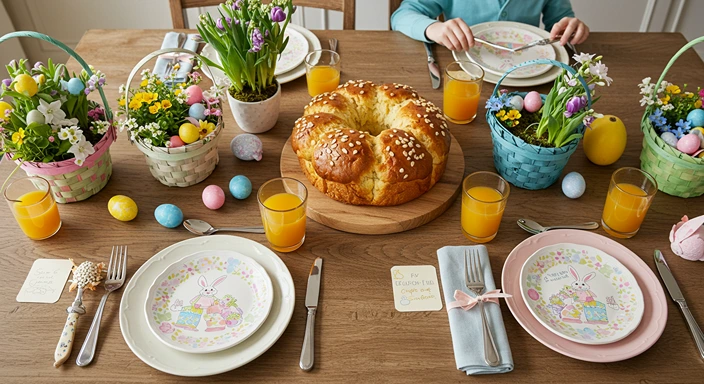
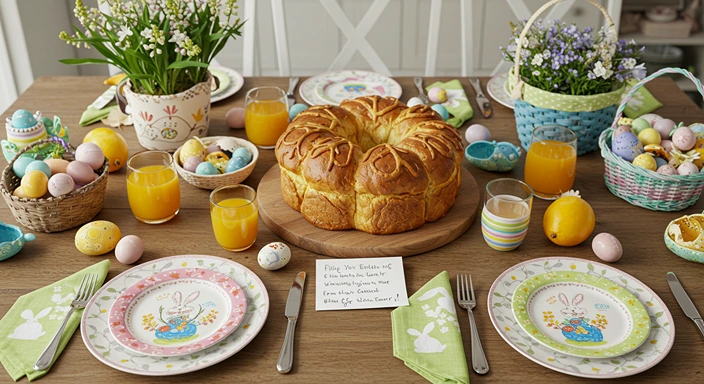
Serve Easter bread as part of your Easter morning breakfast or brunch. The sweet bread pairs wonderfully with savory breakfast dishes and creates a beautiful centerpiece for your table. Some families even hide a small trinket inside the bread, and whoever finds it receives good luck for the coming year. For a complete Easter menu that complements your bread perfectly, explore our collection of creative Easter food ideas that will make your celebration truly memorable.
Easter Bread Gift Baskets
Make extra loaves of Easter bread to create gift baskets for neighbors, teachers, or family friends. Let children help wrap the bread in cellophane with colorful ribbons and attach handwritten notes. This teaches the values of generosity and community connection. For more thoughtful items to include alongside your homemade bread, browse our creative Easter basket ideas that will help you create truly special gifts.
Cultural Connection
If you have heritage from a culture with specific Easter bread traditions, use bread-making time to share stories about your family history and cultural background. Show children photos of Easter celebrations from your childhood or from your ancestral homeland.
Easter Egg Hunt Connection
Use pieces of Easter bread as special "rewards" at certain stations during an Easter egg hunt. You could even create a scavenger hunt where following clues leads to the Easter bread at the end of the adventure. For a truly memorable hunt that incorporates your special bread, don't miss our collection of 25 creative Easter egg hunt ideas that can be customized for children of all ages.
Easter Bread & The Easter Bunny: Creating Magical Connections
The Easter Bunny and Easter bread traditions can be wonderfully intertwined to create magical experiences for children. Here are some creative ways to connect these two beloved Easter elements:
The Easter Bunny's Favorite Treat
Tell children that Easter bread is one of the Easter Bunny's favorite treats. Leave a slice out (similar to leaving cookies for Santa) the night before Easter, and make sure it's "nibbled on" by morning.
Easter Bunny Thank You Note
After the Easter Bunny enjoys his slice of Easter bread, have him leave behind a personalized thank you note commenting specifically on your family's unique Easter bread recipe. This personal touch makes the magic feel more real to children.
Make the Easter Bunny's Visit Extra Special
Create an unforgettable Easter morning with a personalized letter from the Easter Bunny that mentions your family's special Easter bread! The Magic Letter Box makes it easy to customize Easter Bunny letters that reference your unique family traditions. Children are amazed when the Easter Bunny knows about their special Easter bread recipe and other family customs!
Easter Bread Recipe from the Easter Bunny
Create a special "Easter Bunny Recipe Card" with your family's Easter bread recipe written in special handwriting. You can "discover" this card among the Easter decorations when you begin your annual baking tradition.
Easter Morning Surprise
Shape a portion of your Easter bread dough into small bunnies and hide them throughout the house for children to find on Easter morning. This creates a special connection between the bread you made together and the Easter Bunny's visit.
Stories and Mythology
Create stories about how the Easter Bunny learned to make Easter bread, perhaps from traveling around the world and discovering different cultural traditions. This adds depth to the Easter mythology and connects your family's bread-making to the larger Easter narrative.
Frequently Asked Questions About Easter Bread
What age is appropriate to start including children in Easter bread making?
Children as young as 2-3 years old can participate in simple tasks like adding pre-measured ingredients to a bowl or decorating with sprinkles. By ages 4-5, they can help with kneading and shaping dough. School-aged children can take on more responsibility, like measuring ingredients and braiding the dough. The key is finding age-appropriate tasks that allow them to feel involved while ensuring the experience remains enjoyable rather than frustrating.
How do I adapt Easter bread traditions for children with food allergies?
Easter bread can be adapted for various dietary needs. For egg allergies, commercial egg replacers work well in the dough (though you'd skip the decorative eggs). Gluten-free flour blends specifically designed for bread can substitute for wheat flour, though you may need to adjust liquid ratios. For dairy allergies, plant-based milks and butters can be substituted. The symbolic elements of Easter bread – the braiding, the circular shape, the act of sharing – remain meaningful regardless of ingredient modifications.
How far in advance can Easter bread be made?
Easter bread is best enjoyed fresh, but you can prepare elements in advance to make the process more manageable. The dough can be prepared and refrigerated for its first rise overnight, which actually improves flavor development. Fully baked Easter bread can be made 1-2 days in advance and stored in an airtight container. For longer storage, freeze undecorated Easter bread for up to a month, then thaw and briefly warm before serving.
What if my child questions why our Easter bread looks different from traditional versions they see online?
This is a perfect opportunity to discuss how traditions evolve and become personalized. Explain that across the world, families have adapted Easter bread to reflect their preferences, available ingredients, and unique family history. Emphasize that your family's version is special because it's yours – and that creating your own traditions is part of what makes family celebrations meaningful. Encourage them to take pride in your family's unique approach.
How do I balance the religious aspects of Easter bread with a more secular celebration?
Many families navigate this by acknowledging the historical religious symbolism while focusing on the values that resonate with their family – such as renewal, family togetherness, and celebration of spring. You can explain the traditional symbolism (the bread's circular shape representing eternal life, eggs symbolizing rebirth) while emphasizing the aspects that align with your family's beliefs. The act of creating something together and sharing it remains meaningful regardless of religious context.
Easter bread represents so much more than just a delicious treat – it's a doorway to cultural exploration, family bonding, and creating traditions that children will remember throughout their lives. The simple act of mixing, kneading, and sharing bread connects generations and creates sensory memories that last a lifetime.
As you incorporate Easter bread into your family's celebration this year, remember that perfection isn't the goal – connection is. Whether your bread turns out picture-perfect or charmingly homemade, the time spent creating together is what children will truly treasure.
And to add an extra sprinkle of magic to your Easter traditions, consider complementing your Easter bread with a personalized letter from the Easter Bunny through The Magic Letter Box. Just as your hands shape dough into something special, their customized letters transform ordinary holidays into extraordinary memories.
Written by Donnie
Creating magical moments for families through personalized letters and thoughtful parenting resources.