Writing Middle School Transition Encouragement Letters
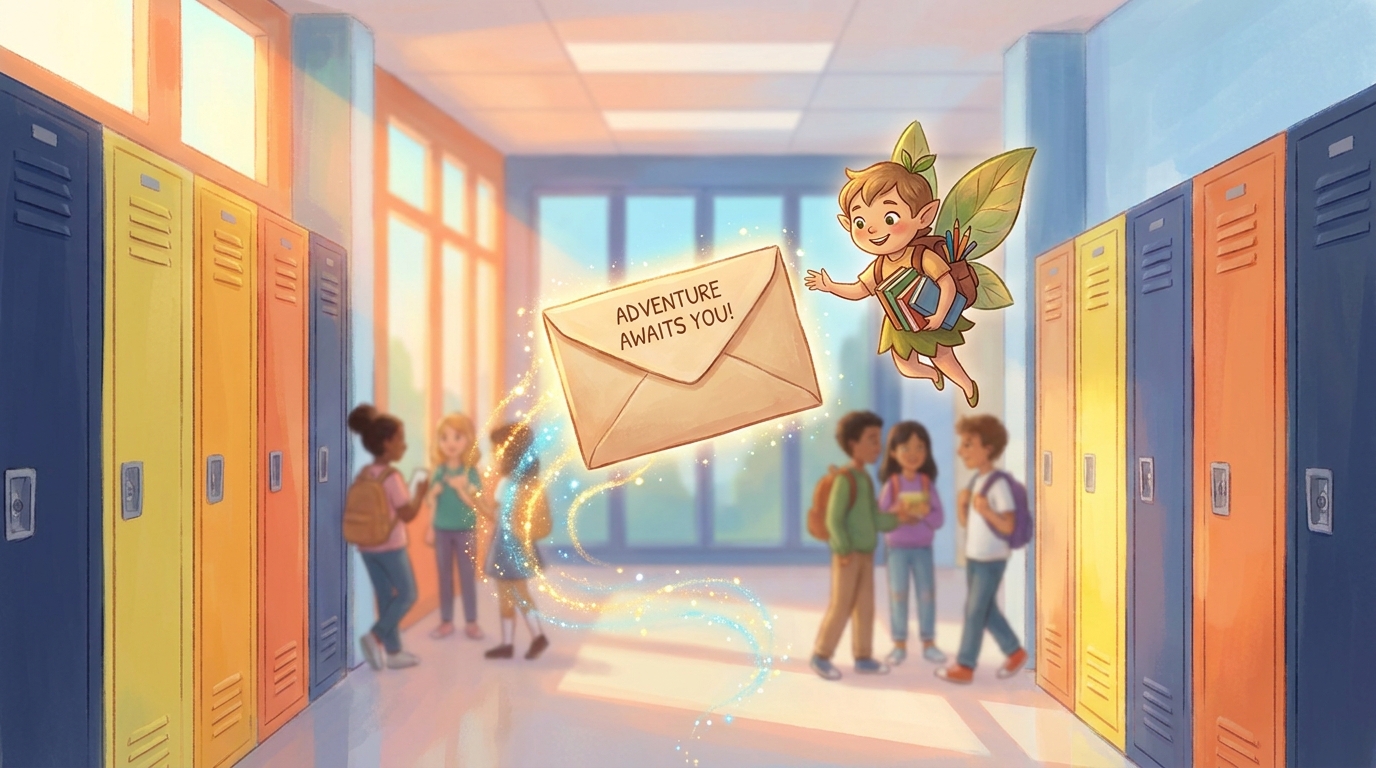
The leap from elementary school to middle school is one of the most significant milestones in a young student's life. It is more than just a change of buildings; it is a complex developmental shift involving identity formation, social restructuring, and a steep increase in academic pressure. For educators and parents, providing the right kind of support during this window is crucial for long-term success. One of the most effective, yet often overlooked, tools for easing this journey is the middle school transition encouragement letter.
Send Encouragement in Minutes
The Magic Letter Box helps parents create personalized encouragement letters for big transitions like starting middle school. Get 5 free letters to start, or enjoy unlimited letters for just $15/year!
Why Middle School Transition Needs Special Support
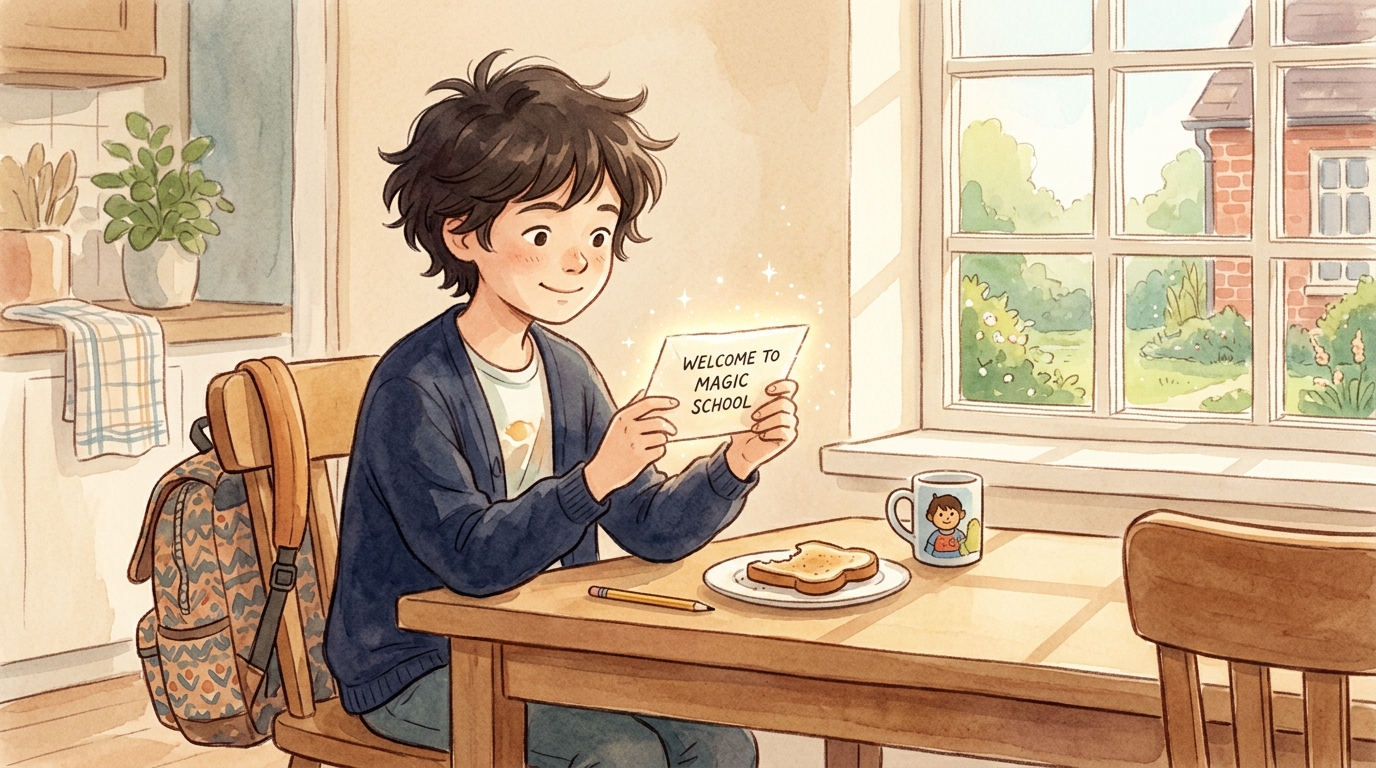
Middle school represents a massive cognitive and emotional leap. Students are moving from the self-contained comfort of a single elementary classroom to a world of lockers, rotating schedules, and multiple teachers. These structural changes arrive just as students are becoming more self-conscious and socially aware.
Common anxieties at this age are often logistical but deeply felt: "Will I forget my locker combination?" "What if I get lost between periods?" "Who will I sit with at lunch if my elementary friends are in different classes?" These worries can overshadow the excitement of growing up. Letters serve as a permanent keepsake that students can revisit privately when they feel overwhelmed. Unlike a conversation that might feel too "on the spot," a letter allows a student to process encouragement at their own pace.
Using magical characters or classroom mascots provides a "safe emotional distance." Even for older elementary students who are starting to outgrow the whimsy of early childhood, a letter from a wise mentor figure can deliver vulnerable messages of belief and support that might feel awkward if delivered directly by an adult.
What Makes an Effective Middle School Encouragement Letter
To resonate with a preteen, a letter must move away from generic platitudes. At this age, students have a high "pander-meter" and can sense when they are being patronized. An effective letter balances validation with concrete strategies for confidence.
The tone should be less about "fairy dust" and more about "mentor-like wisdom." You are acknowledging their growth into a new phase of life. Personalization is the key to making the message stick. Instead of saying "You are brave," reference a specific time they handled change well, such as when they joined a new sports team or moved to a new house. By anchoring the encouragement in their actual history, you provide proof of their resilience.
Timing is also a factor. A letter sent before school starts can ease the initial "Sunday Scaries," while a first week positive reinforcement letter can celebrate the fact that they survived the hardest part of the transition.
The Transition Letter Framework: Four Key Components
When drafting your letter, follow this four-part framework to ensure it hits the necessary emotional beats:
- The Recognition: Acknowledge that they are facing something genuinely new. Example: "I know middle school feels like a giant leap with so many new things at once."
- The Reminder: Call back to past evidence of their capability. Example: "Remember when you thought you'd never learn long division, but then you became the go-to helper in class?"
- The Reframe: Help them see challenges as growth. Example: "Every time you find your way to a new classroom, you're building your independence muscles."
- The Reassurance: Confirm your continued belief in them. Example: "I’ll be watching your progress with pride all year long."
Choosing the Right Magical Messenger
As students age, the "messenger" needs to evolve. For a personal milestone, the Birthday Fairy can be positioned as a lifelong observer who has watched the student grow and is now ready to see them take on the "big league" of middle school. For teachers, using a classroom mascot is an excellent way to build community.
For this specific life stage, you can create a "Transition Guide" character using a Custom Letter—a wise figure who specializes in big life changes. This character doesn't need to be "sparkly"; they can be more like an old explorer or a guardian of wisdom. This shifts the focus from fantasy to a shared tradition that feels sophisticated enough for a sixth grader.
Sample Middle School Transition Letters by Scenario
Scenario 1: The Anxious Student
Focus on small steps and past resilience. Here is a complete sample letter you can adapt:
Dear [Child's Name],
I know middle school feels like a giant leap, with lockers, new hallways, and a different teacher for every class. It makes sense to feel nervous about all of that at once.
Here's something I've learned from watching you: brave doesn't mean you aren't scared. It means you do it even though you're nervous. Last year, you were worried about the [science fair], but you ended up leading your group!
So take it one small step at a time. Practice your locker combination once more, find one familiar face at lunch, and remember that everyone around you is figuring this out too. Each new classroom you find is building your independence muscles.
I'll be cheering you on all year long.
Your friend,
[Sender's Name]
Scenario 2: The Reluctant Student
Honor the loss of elementary school while building hope. "It's okay to miss the playground and having one teacher. Those were great years. But middle school is where you get to discover which subjects you actually love."
Scenario 3: The Teacher’s Class-Wide Letter
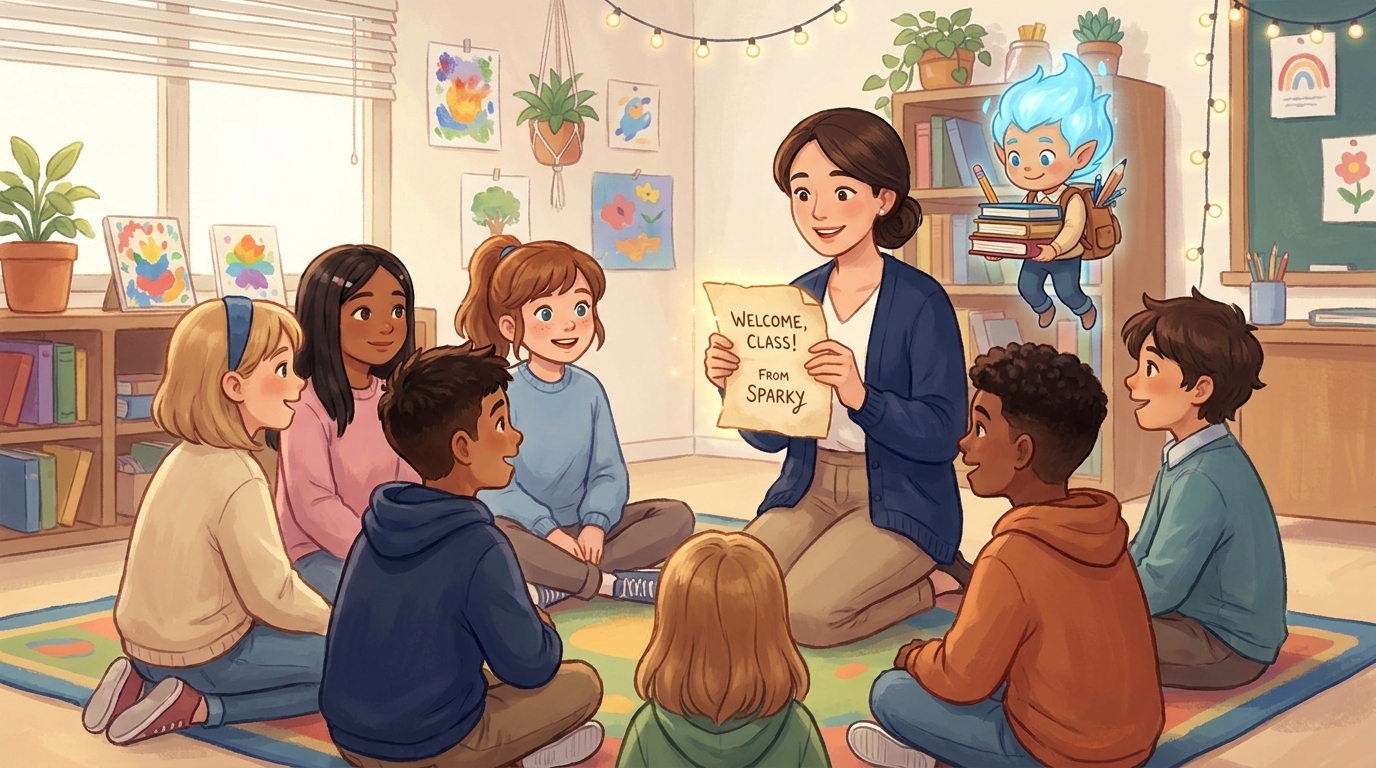
Use this to build a collective identity. "Welcome, Transition Trailblazers! This year, we are all learning the ropes together. Our class mascot, Barnaby the Bear, will be here to help us navigate these new halls." For more ideas on teacher-led letters, see our guide on first day welcome letters teachers love.
Making the Letter Moment Meaningful
The delivery is just as important as the content. For parents, tucking a letter into a backpack or placing it on a pillow the night before can provide a quiet moment of reflection. For teachers, a whole-class letter reveal ritual can build anticipation. You might have the class mascot "leave" the letter in a special box for the students to find during the first morning meeting.
To make the impact last, encourage students to keep their letters. Teachers can pair mascot transition letters with a classroom mailbox where students can write back to the mascot about their experiences. This creates an ongoing emotional outlet and a sense of belonging in the new environment.
Frequently Asked Questions
Isn't my child too old for letters from magical characters?
Many preteens still appreciate the tradition when characters are positioned as wise mentors. The letter format provides emotional privacy that allows them to connect with encouraging messages they might deflect in conversation.
What if my student is really struggling with middle school anxiety?
A magical encouragement letter is one supportive tool. It should complement—not replace—direct emotional support, open conversation, and professional help if needed.
How can teachers use transition letters without seeming childish?
Frame the mascot as a community tradition or an "inside joke." Middle schoolers often appreciate the ritual and the emotional outlet even while understanding the playful nature of the tradition.
When is the best time to give a middle school transition letter?
The night before the first day is great for courage. Alternatively, after the first week is perfect for celebrating early successes and acknowledging the growth they've already shown.
Navigating the shift to middle school is a significant hurdle, but with the right words of encouragement, you can help your students leap over it with confidence. If you're looking for a way to streamline this process, check out The Magic Letter Box Classroom Edition to create personalized transition letters for your entire class today.
Written by The Magic Letter Box
Creating magical moments for families through personalized letters and thoughtful parenting resources.